

The opening month of an NFL season rarely provides complete answers, but it can quickly change expectations.
September puts offseason theories under real competitive pressure, revealing how new personnel, returning stars, and developing quarterbacks respond when games begin to count.
Several of the league’s most intriguing situations will receive immediate scrutiny in 2026. From blockbuster acquisitions and major injury comebacks to unsettled quarterback rooms, the first few weeks could provide important evidence about which teams are prepared to contend.
1. Blockbuster Acquisitions Face Immediate Integration Tests
Major offseason additions create excitement, but September reveals how quickly those pieces actually fit. Personnel must adjust to unfamiliar terminology, assignments, and teammates while coaches discover which combinations work against opponents. Those developments can also influence how bettors interpret FanDuel NFL weekly odds as new information replaces offseason projections.
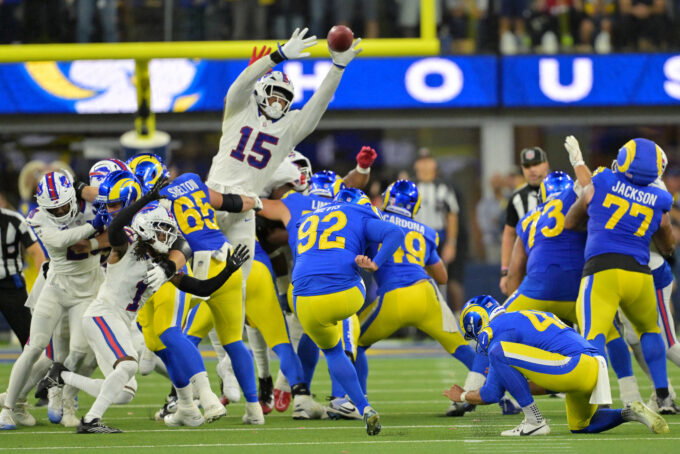
Los Angeles Rams made particularly aggressive changes. They added Myles Garrett to their defensive front and Trent McDuffie to the secondary, giving the unit established difference-makers at two important levels. Garrett can reshape protection decisions, while McDuffie provides versatility against increasingly varied passing attacks.
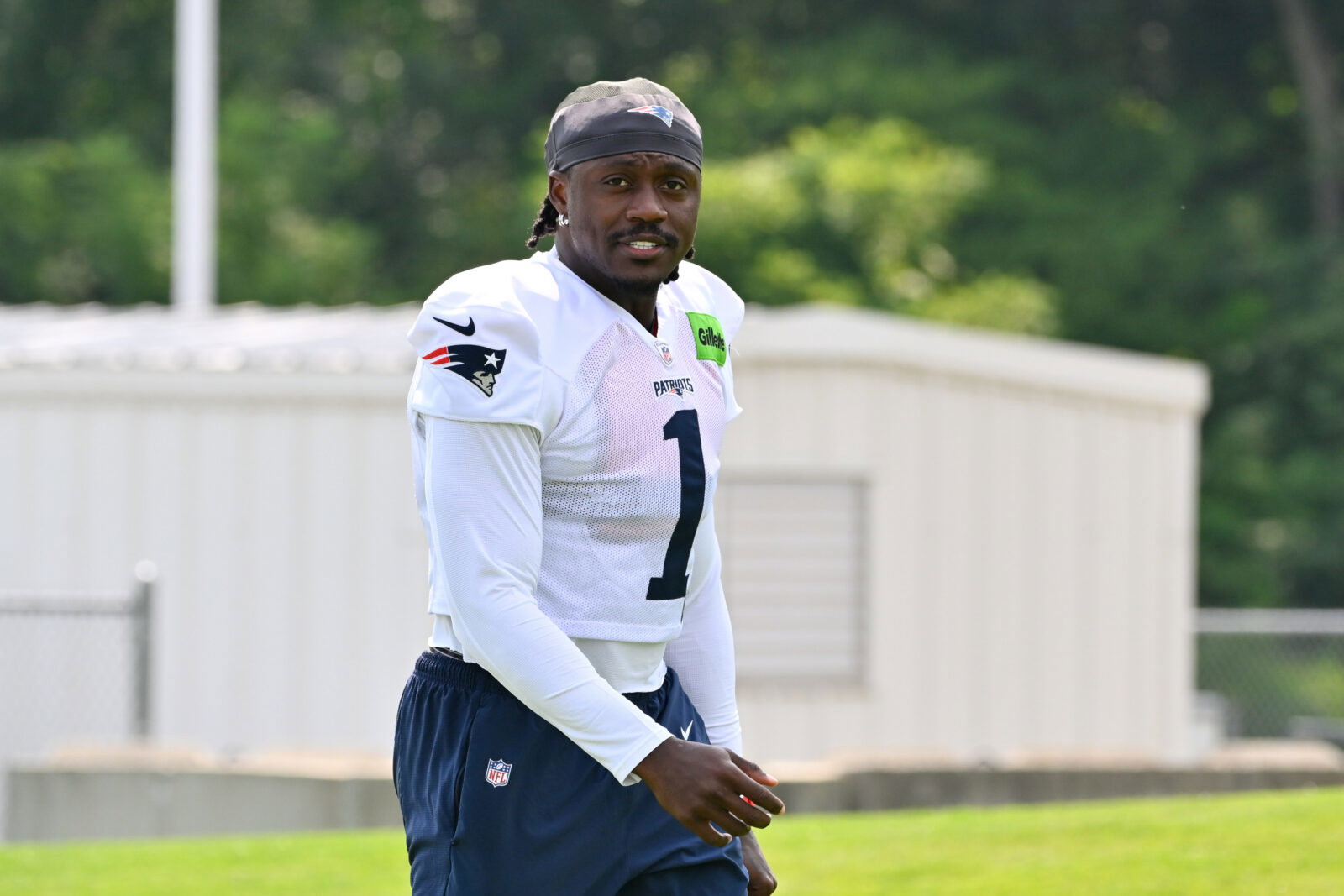
Elsewhere, the New England Patriots paired A.J. Brown with Drake Maye, creating a potentially significant connection in its reconstructed offense. The Buffalo Bills made their own prominent addition by bringing D.J. Moore into Josh Allen’s receiving group. Both situations will require timing and trust to develop under competitive conditions.
September therefore becomes an early test rather than a final judgment. Immediate chemistry could exceed expectations, while uneven performances may reflect the adjustment involved in prominent players entering unfamiliar systems. Four games can reveal progress without determining what those partnerships ultimately become.
2. Star Quarterbacks Return From Major Injuries
Patrick Mahomes enters September under unusual scrutiny following ACL and LCL surgery. The Chiefs’ early games should provide the clearest evidence yet of how comfortably their quarterback can operate after rehab, especially once opposing defenses apply pressure and force him out of the pocket.
Mobility will naturally attract attention. Mahomes has long extended plays by moving within and beyond the pocket, creating passing opportunities after initial coverage has held. How readily he changes direction, escapes pressure and throws from unconventional platforms could influence early perceptions of Kansas City’s offensive ceiling.
He is not the only quarterback returning from a significant injury in 2025. Daniel Jones, Bo Nix and Jayden Daniels also begin the season with questions surrounding their respective recoveries. Each offense depends heavily on its quarterback establishing rhythm while managing the physical demands of regular-season football.
Those returns carry implications beyond individual statistics. Kansas City and the Denver Broncos feature prominently in the AFC picture, while Daniels can influence the Washington Commanders’ standing within the NFC.
3. Atlanta’s Quarterback Competition Extends Into Season
The Atlanta Falcons enter September with an unusual degree of uncertainty at football’s most influential position. Rather than resolving the quarterback question during training camp, the Falcons carry the competition between Tua Tagovailoa and Michael Penix Jr. into meaningful games, ensuring every early performance receives additional attention.
New head coach Kevin Stefanski has kept that contest open, adding unpredictability to Atlanta’s offensive identity. Different quarterback strengths can affect play selection, protection and how skill-position players are deployed. The challenge is establishing continuity while simultaneously determining which passer gives the offense its strongest long-term direction.
Penix carries a particularly interesting subplot. His draft position created substantial expectations, yet his previous injuries remain part of the broader evaluation of his career thus far. Regular-season opportunities will let him demonstrate whether his arm talent and command can translate into consistent production against top NFL defenses.
This situation differs from quarterbacks simply attempting to regain their pre-injury form. Atlanta is choosing who should direct its offense. September could therefore influence not only individual playing time, but the broader direction Stefanski chooses for his first season leading the Falcons.
4. Rookie Quarterbacks Push for Early Opportunities
September often tests patience around rookie quarterbacks. Teams may prefer gradual development, yet regular-season results can quickly change timelines. The Las Vegas Raiders provide one of 2026’s clearest examples, with Fernando Mendoza progressing behind veteran Kirk Cousins while the Raiders evaluate when their younger option might be ready.
Mendoza’s development under offensive coordinator Klint Kubiak will consequently attract considerable attention. Learning an NFL offense involves far more than throwing accurately. Protection adjustments, defensive recognition, and command before the snap become increasingly important as opponents disguise coverages and pressures to challenge inexperienced quarterbacks.
Cousins provides Las Vegas with an established starter and removes the immediate necessity to accelerate Mendoza’s introduction. That arrangement nevertheless creates natural tension. Strong performances from Cousins could preserve the existing hierarchy, while offensive struggles would inevitably raise questions about whether the rookie deserves an earlier opportunity.
The question is therefore about timing rather than recovery or a direct preseason competition. Las Vegas must balance immediate offensive needs with Mendoza’s longer development. September should provide the first meaningful evidence for that calculation, even if the Raiders ultimately decide that his best route is to remain patient.
5. Opening Night Sets Championship Expectations Early
Some September games carry greater symbolic weight than others. The September 9 meeting between the New England Patriots and Seattle Seahawks immediately puts two prominent teams in the spotlight, offering a concentrated early test that differs from the usual personnel questions developing throughout the league in the first month.
New England’s reconstructed offense faces a particularly demanding assignment against the defending champions. Maye and Brown will need to establish their connection while facing a Seattle defense accustomed to championship-level pressure. Regular-season intensity makes the matchup a far different test than anything available during offseason practices.
A convincing Patriots performance could strengthen expectations surrounding their offensive changes and suggest New England is equipped for another deep run. Seattle, meanwhile, has an immediate opportunity to demonstrate that last season’s championship formula remains effective despite another offseason of opponents studying its strengths and tendencies.
September Provides the First Real Evidence
September matters because offseason uncertainty finally meets meaningful competition. New arrivals must prove they can fit established systems, recovering quarterbacks must respond to regular pressure, and developing players must show whether they are ready for larger roles.
The opening month will not determine the entire season, but it can quickly reshape expectations. Early chemistry, quarterback mobility, roster decisions and performances in major matchups will provide the first credible evidence of which teams are adapting successfully and which still have important questions to resolve.










Leave a comment