

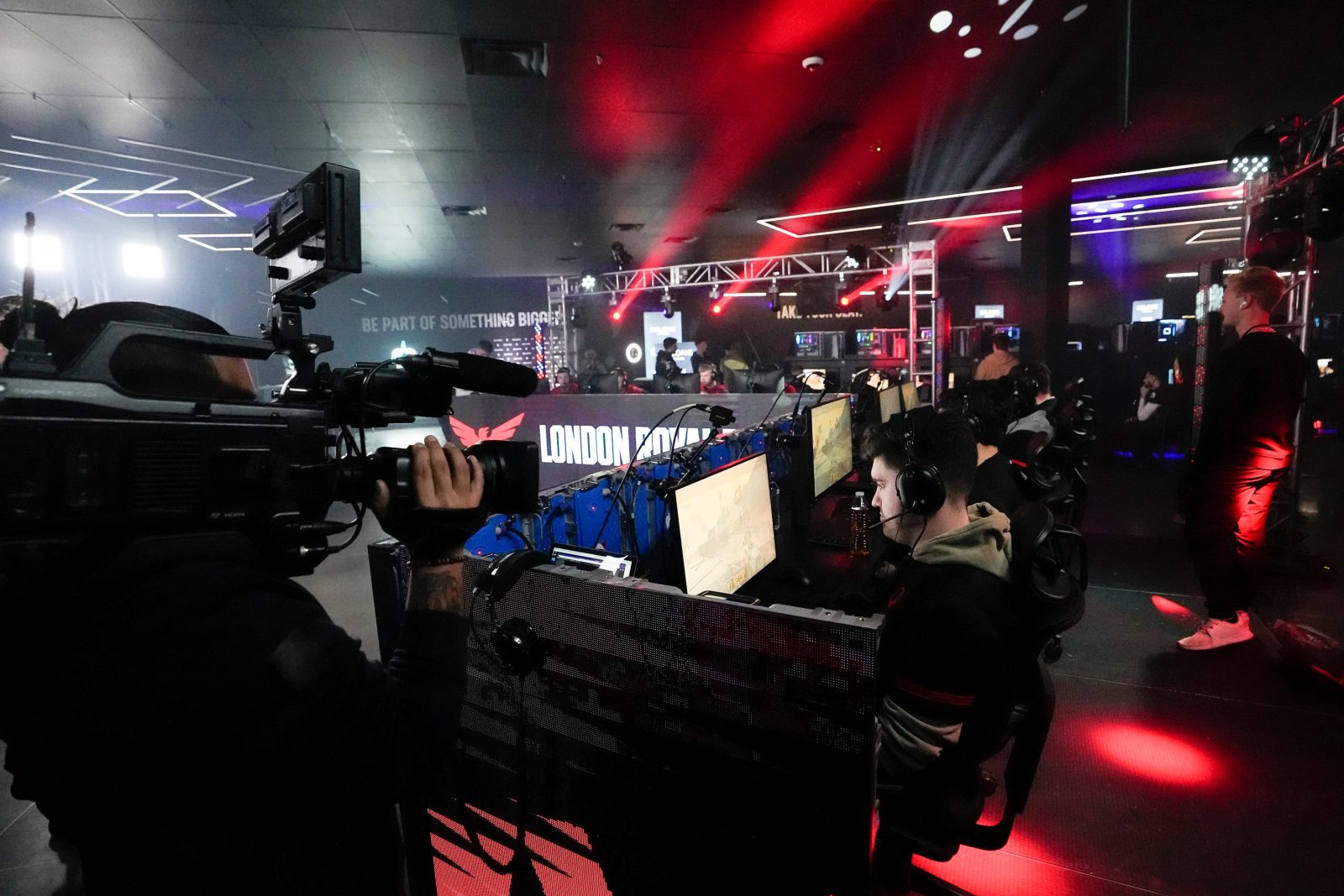
The boundaries between television and interactive gaming have blurred beyond recognition.
Esports streams attract millions, while traditional broadcasts now borrow gaming’s tempo and energy. What was once separate is now part of a shared entertainment ecosystem.
The Convergence of Formats
Television once defined how audiences consumed live events.
Esports changed that.
Platforms like Twitch, YouTube Live, and even TikTok turned passive watching into active participation. Viewers chat, analyze plays, share memes, and influence the experience in real time.
TV producers noticed. Today, live sports and shows feature polls, chat segments, and gamified predictions to keep people glued to the screen.
This shift is not only about technology but psychology. The younger audience expects interactivity, not narration. They switch between screens, follow multiple streams, and engage with hosts directly. The line between “player” and “viewer” keeps fading.
Insights from Lightning Storm: Data and Immersion
An interesting example of this crossover logic appears in projects that explore how interactive formats evolve.
One of them is the Lightning Storm platform, which focuses on the live casino game from Evolution Gaming. It shows how transparent data and clear presentation improve engagement. For example, users can check the Lightning Storm results for today to see real-time outcomes and performance trends, much like esports fans follow match stats.
Visitors find real-time statistics, strategy overviews, and details on certified fairness— elements common in esports dashboards but rare in casino environments. The site demonstrates that when users can track outcomes and study patterns, trust grows, and attention lasts longer. It’s not about gambling— it’s about understanding systems that make live formats credible and exciting.
This approach bridges two worlds: the thrill of unpredictability and the logic of measurable performance. The result is an experience closer to watching an esports final than spinning a wheel in silence.
What Esports Borrowed from Television
While esports seems modern, much of its structure still comes from TV logic: scheduled events, professional commentary, instant replays, and sponsorship blocks.
Major tournaments mirror the production quality of sports finals. Analysts break down plays like pundits discuss football tactics. Yet, the rhythm differs – faster, sharper, built for multitasking audiences.
A single broadcast may include several layers of engagement:
- Main event stream with commentators.
- Player POVs on secondary feeds.
- Social media threads running in parallel.
- Community-led side broadcasts with informal commentary.
The viewer decides how deep to go. For some, it’s background noise. For others, it’s an immersive ritual.
Advertising and Audience Blending
The hybrid format reshapes how brands work with audiences. In esports, ads often appear as native parts of gameplay— skins, sponsored drops, team partnerships. TV integrates sponsorships through short inserts or branded studio elements. In hybrid shows, these merge.
Viewers are no longer passive targets. They respond instantly through chat, polls, or donations. Data shows that real-time engagement increases brand recall by up to 30% compared to traditional spots. For advertisers, this means a new kind of storytelling: less scripted, more responsive.
Key formats now dominate hybrid live entertainment:
- Interactive prediction games – embedded during live broadcasts.
- Split-screen experiences – multiple perspectives on one event.
- Dynamic ad triggers – moments tied to gameplay actions or outcomes.
- Audience-driven story cues – comments and polls shaping what happens next.
Each of these formats combines television’s structure with gaming’s energy.
The Metrics that Define Success
Hybrid entertainment demands new analytics. Traditional TV relied on ratings and reach. Esports added live engagement metrics: chat activity, average watch time, replay shares. Combined, they create a more complex picture of attention.
| Metric | Traditional TV | Esports / Hybrid Models |
| Viewership | Households or viewers per minute | Concurrent live viewers |
| Engagement | Limited (call-ins, surveys) | Chat, polls, emotes, donations |
| Revenue model | Ads, sponsorships | Sponsorships, in-stream ads, subs, drops |
| Feedback speed | Delayed | Instant |
This table shows why hybrid formats adapt faster. Feedback loops allow immediate correction: if a segment loses attention, hosts or producers can react within seconds.
Why Convergence Feels Natural
The entertainment market follows where attention flows. Viewers grew up gaming and streaming— they expect interaction, choice, and transparency. TV formats that ignore this lose relevance. Esports, on the other hand, benefit from TV’s discipline and visual structure.
The result is not competition but cooperation. Game show-style broadcasts, interactive sports betting streams, or live casino experiences now share the same DNA. Each borrows what the other perfected – pacing, visuals, commentary, and real-time participation.
Practical Takeaways for Creators
For anyone developing content in this new landscape, three principles stand out:
- Design for multitasking. Assume your viewer watches with a phone in hand.
- Blend analytics with narrative. Numbers tell stories when presented clearly.
- Encourage participation. Even a simple poll or reaction bar adds depth.
Creators who master these elements can hold attention longer and build stronger communities.
The hybrid future is already here. Esports taught television how to be interactive, while TV reminded gaming that structure still matters. What connects them isn’t format, but the shared pulse of live connection.








Leave a comment