

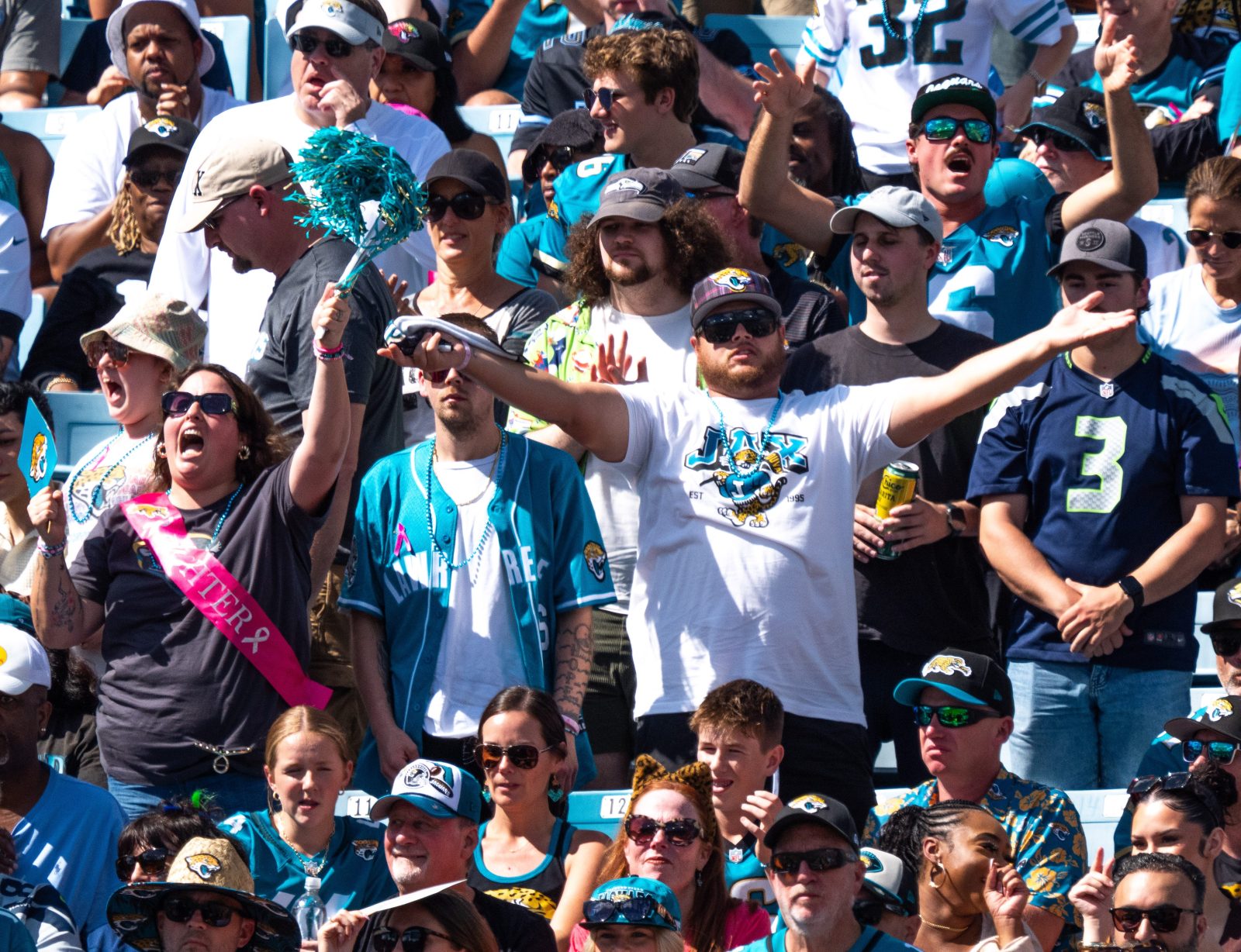
For decades, sports were about skill, strategy, and passion, both on the field and in the stands.
But in recent years, technology has added a powerful new layer to that equation: gamification.
By blending the thrill of competition with the psychology of game design, sports organizations and digital platforms are transforming how fans watch, interact with, and even influence the games they love.
Today, cheering from the sidelines isn’t enough. Fans expect to play a part.
The New Language of Engagement
Gamification, at its core, means adding game-like elements such as points, achievements, levels, and rewards to non-game environments. In sports, it’s now the beating heart of fan engagement.
From fantasy leagues and mobile prediction apps to loyalty programs and live interactive broadcasts, gamified experiences have turned passive spectators into active participants.
Consider how major sports leagues now integrate polls, live trivia, and predictive challenges during broadcasts. Fans can earn points, climb leaderboards, and win exclusive experiences just by watching and engaging.
These systems tap into basic human motivators: competition, reward, and recognition. They make every match, even a mid-season game, feel like an event where the audience has something at stake.
It’s no coincidence that even adjacent industries are embracing this model. Platforms focused on digital gaming and interactive entertainment, such as those exploring the evolving landscape of Paysafecard casinos, have long understood the psychology of engagement.
They’ve refined user experience strategies that now inspire how sports brands connect with audiences. The crossover between gaming and sports has never been stronger.
Turning Spectators into Players
Gamification bridges the emotional gap between fans and athletes. Instead of merely watching, fans now play along. Whether through real-time predictions, augmented reality filters, or app-based competitions, users can measure their performance against others and feel part of the action.
One of the clearest examples is in fantasy sports. Fans assemble their own dream teams, compete against friends, and make every player stat and substitution deeply personal. Every pass, goal, or touchdown becomes a moment of validation or heartbreak directly tied to the fan’s own “game.”
Similarly, prediction apps have exploded in popularity. Before each game, users predict scores, player performances, or key moments. Correct guesses earn points or prizes, but more importantly, they build anticipation and emotional investment. This sense of control, even symbolic, keeps fans glued to the screen long after kickoff.
The Power of Data and Storytelling
Behind this interactive revolution lies another force: data. Gamified experiences are driven by real-time analytics that translate live action into metrics fans can react to. The speed of that feedback loop is what makes gamification so addictive— it’s instant gratification for every decision or prediction made.
For teams and leagues, this data also opens new opportunities. Engagement metrics, fan behavior insights, and activity patterns can all shape content strategies, merchandising, and partnerships. Gamification doesn’t just entertain— it informs business growth.
But there’s another layer of storytelling. By gamifying experiences, brands can craft narratives where the fan is part of the story. Earning badges for loyalty, unlocking behind-the-scenes content, or gaining early access to tickets makes fans feel seen and rewarded. This narrative-driven approach builds loyalty that traditional advertising simply can’t.
The Social Connection
Gamification has also amplified the community aspect of sports fandom. Social media integrations let fans share achievements, challenge friends, and compare rankings. Sports are inherently social, and gamified systems leverage that, turning friendly rivalry into digital camaraderie.
Platforms that combine social interaction with competitive mechanics create micro-communities of super-engaged users. These aren’t casual followers, they’re digital ambassadors who keep conversations alive between seasons.
When fans compete together, they also celebrate together, reinforcing the emotional ecosystem that keeps the sports world thriving.
What’s Next for Gamified Sports?
The next frontier lies in deeper immersion. Augmented reality (AR) and virtual reality (VR) are merging live sports with interactive layers, allowing fans to experience games as if they were on the field. Imagine scanning your ticket and unlocking a live AR challenge during halftime, or donning VR goggles to call plays as your favorite quarterback.











Leave a comment