

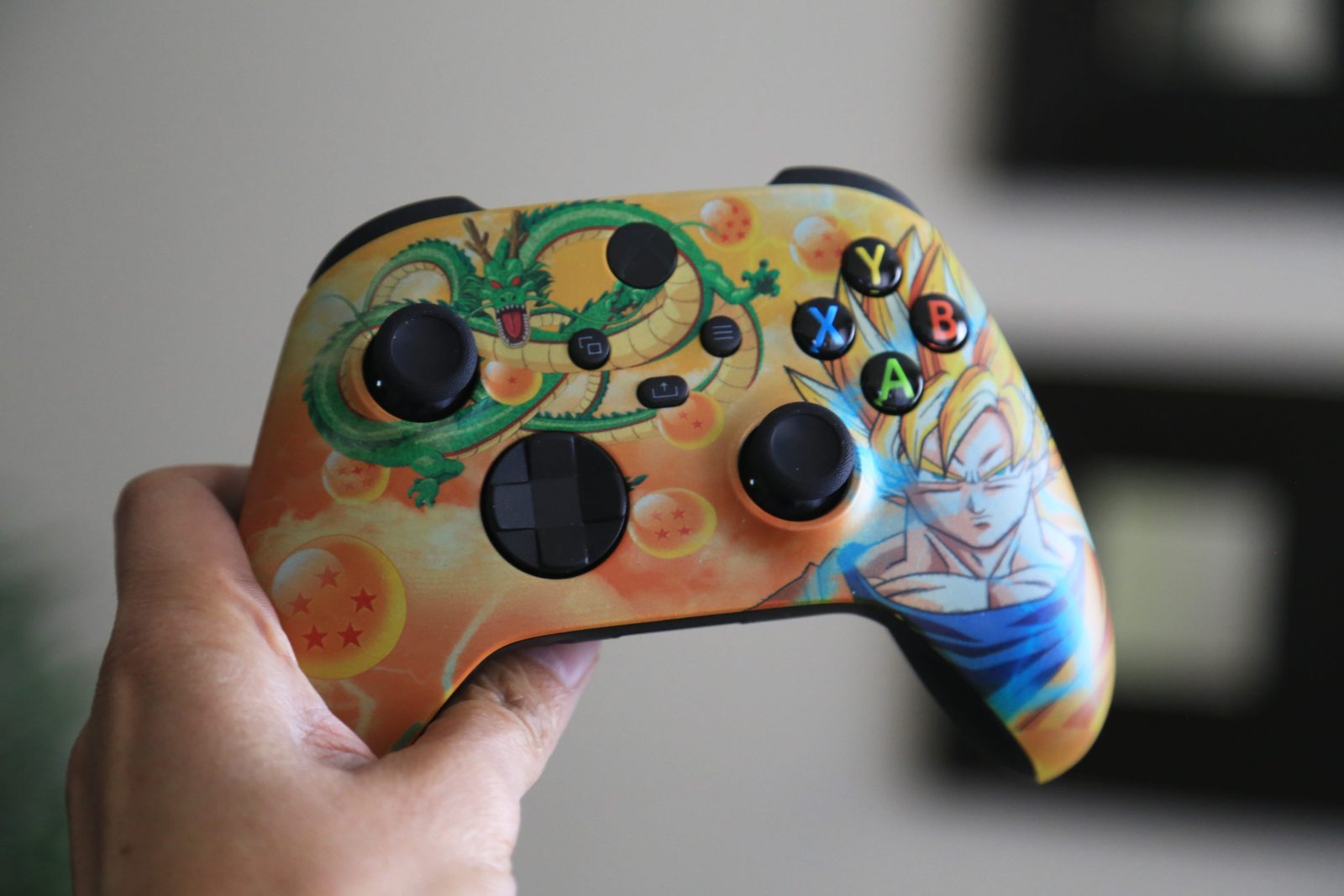
Since their pixelated and annoying 80s heyday, video games have gone a long way.
A worldwide entertainment behemoth has emerged from what was once a niche pastime. The progress of gaming accessibility, however, has been developing at a far more significant rate than mind-blowing visuals and enormous multiplayer worlds.
Rather than focusing on diverse plots or characters, today’s game developers are making an effort to ensure that all players, regardless of cognitive, sensory, or physical abilities, can enjoy their games. But where are we going from here, and how did we get here?
Okay, let’s get started.
Beyond Inclusive Design and the One-Size-Fits-All Approach
In the early days of video games, creators usually only considered one player, who would have complete motor control, visual, and auditory abilities. Making things accessible wasn’t even considered. You want evidence, right? Playing the original Super Mario Bros. with a single hand or without sound is an interesting challenge.
In present day, things look very different. Developers of all sizes are pouring resources into making their games more accessible to a wide range of users. Features like colorblind modes, text-to-speech, closed captioning, remappable controllers, and haptic feedback have been developed with players with hearing loss in mind. And as more inclusive experiences gain traction, even the online casino world is adapting— with platforms offering tutorials on how to start with crazytime.games, helping new users of all backgrounds and abilities join the fun.
So, why did this shift occur?
A part of it stems from cultural shifts. People generally see the value of diversity and inclusion more nowadays. Yet another component originates from within the community. Advocates and gamers with disabilities have spoken out and used their platforms to make a difference.
The industry is now paying attention, which is a relief.
The Proliferation of Accessible Gaming Devices
You’ve definitely heard of adaptable controllers; the 2018 release of Microsoft’s Xbox Adaptive Controller caused quite a stir. However, that was only the first step.
https://twitter.com/LissyTM_/status/1879316443256566109
These days, the use of assistive technology in video games is huge. More individuals will be able to enjoy games according to their own standards with the aid of these technologies.
Software-Defined and Adaptive Hardware
The architecture of adaptive controllers is modular. Players are not limited to a conventional controller layout but are free to customize their experience by connecting any combination of buttons, switches, pedals, and joysticks. It can be a game-changer for individuals with limited hand mobility.
However, it is not all. With foot-controlled input devices and more, companies like 3dRudder and Logitech are jumping on the bandwagon. Even the newly released PS5 Access controller allows users to personalize the stick tension and button location.
Monitoring the Eyes and Voice Input
A game-changer for players with mobility limitations is eye-tracking technology. Sure enough, with tools like Tobii, gamers can command games with their sight alone.
With voice commands, too? Additionally, they are making progress. Envision yourself able to use your voice to cast spells or carry out orders in a game. This is now, not some distant time in the future.
Game Developers at the Head of the Pack
Although assistive technology is essential, developers truly make a difference when they include accessibility in their program from the start.
There are a handful of studios that have dominated this field. “The Last of Us Part II” from Naughty Dog is an excellent example. At its debut, it had more than 60 accessibility settings, such as a high-contrast mode for players with limited vision, navigation help, and screen readers that read aloud the words on the screen.
Along with Microsoft, Ubisoft, and EA have released developer accessibility toolkits and held inclusive design workshops. Xbox Game Studios has also joined the trend. Previously, accessibility was considered an afterthought; now, it is considered a cornerstone of good design.
Game Accessibility Isn’t Limited to People with Disabilities
Those without impairments also benefit from accessibility, so there’s that.
You’re playing a game on the crowded metro without any headphones. Put subtitles on. Adaptive input also comes in handy when you’re unable to use a standard controller due to an injury, such as a sprained or broken wrist. And what about the problem of linguistic barriers? Visual clues can at times communicate more effectively than words alone.
It’s similar to sidewalk curb cuts. Ideal for those using wheelchairs, but can also accommodate bikes, strollers, and delivery carts. Features that improve accessibility frequently end up improving the quality of life for all users.
So, it’s not niche— it’s universal when creators prioritize inclusivity.
How Will Gaming Become More Accessible in the Future?
We still have a ways to go, but the future is bright.
Anticipate an uptick in AI-powered solutions, including avatars that can comprehend sign language in real time or AI that can automatically alter the game’s difficulty level depending on how well players are doing. Unity and Unreal, two popular game engines, are developing native accessibility features to help independent developers get on board.
Above all else, accessibility is moving from being a footnote to a discussion starter. “Is it possible for anybody to play this game?” the players wonder. The answer to that question is positively impacting the sector.
The New Normal Is Inclusion
More than a passing fad, accessibility in video games is driving a sea change. Finally, the industry is embracing the concept that everyone deserves to participate, and it’s showing in hardware improvements and careful design decisions.










Leave a comment