

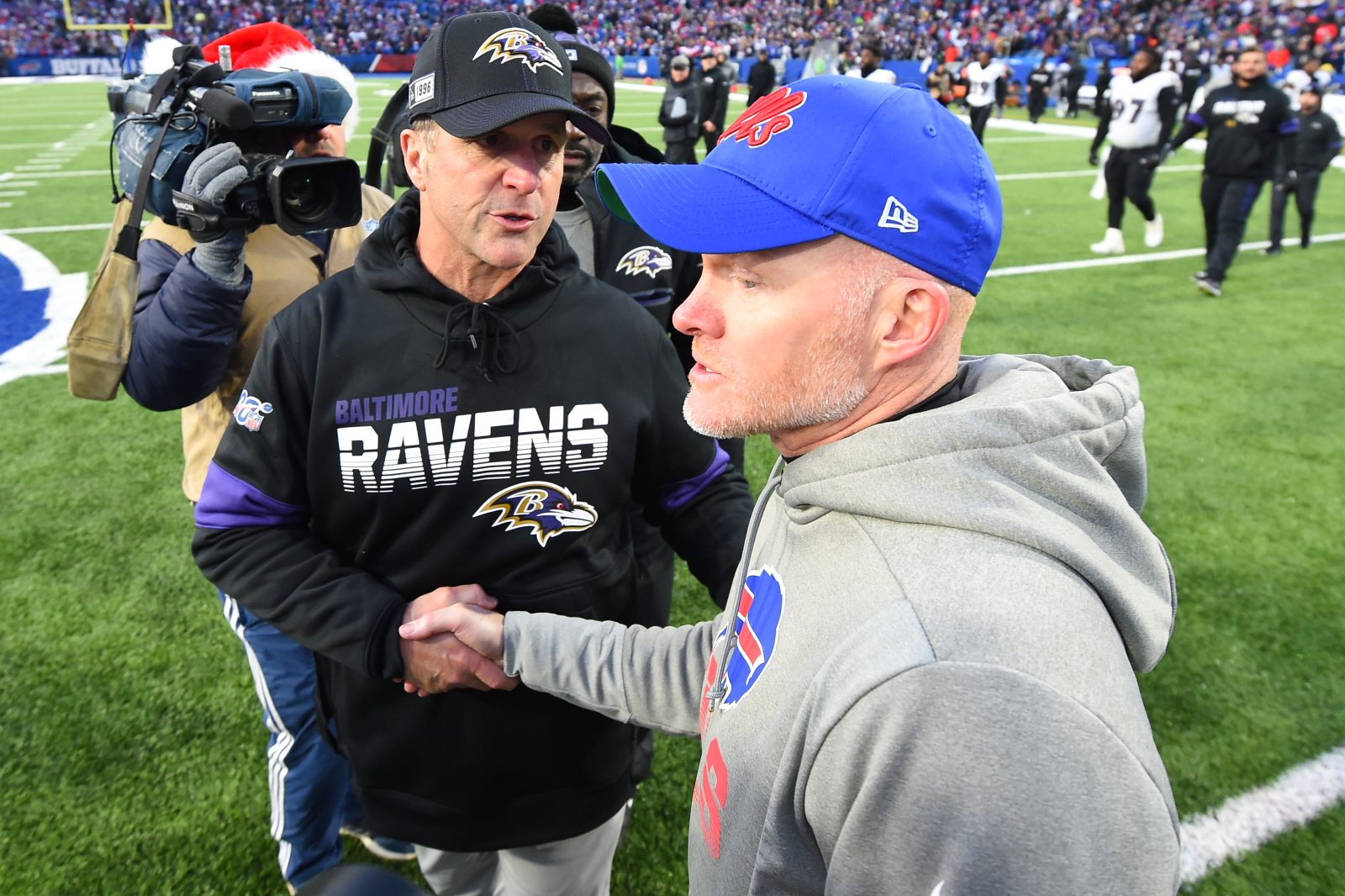
As the NFL’s coaching carousel keeps spinning after a wave of firings and hires, it’s getting harder for fans to make sense of it all.
While many Ravens, Steelers, or Bills fans may be on board with moving on from their well-respected head coaches, these moves leave the rest of us scratching our heads. Teams are cutting ties with coaches who have delivered consistent winning seasons, only to replace them with candidates who are either unproven or have already failed in previous stops.
This trend does not exist only in football. There have been a handful of questionable coach firings across the NBA in recent years. All of this madness leads us to ask one simple question: how did we get here?
Coaching Standards Are Constantly Changing
The new standard for what it takes to keep your job as an NFL head coach likely stems from the current state of sports media.
With the polarization and fast pace of modern coverage, coaches are judged far differently than they were in the past. They are under a brighter spotlight than ever before, and public opinion shifts quickly. Landing spots for top coaching candidates have even become something to wager on through mainstream betting platforms across the country, further turning the process into entertainment.
Nowadays, whether you are a first-year coach taking over a bad team or a long-tenured coach leading a historically successful franchise, the standard of success seems to reset every single year. The average fan has been trained to expect more than is realistically possible. Only one team can win the Super Bowl, yet fans of at least a dozen teams view anything short of that outcome as a failure.
We even have owners admitting, in a roundabout way, that the coach’s fate is largely due to poor luck. John Harbaugh didn’t take the Ravens to the Super Bowl (since winning it with the team in 2013), thanks to plays like Zay Flowers’ fumble at the 1-yard line, Mark Andrews dropped 2-point conversion, or Tyler Loop’s missed field goal.
Likewise, Sean McDermott has taken the fall for running into the heroics of Patrick Mahomes and the Chiefs’ dynasty and a string of unfortunate plays that seemingly never fell in the Bills’ favor. Who cares if the Ravens and Bills are perennial contenders? Let’s bring in Phillip Rivers (potentially). Meanwhile, bad teams are licking their chops and opening up the checkbook to bring these storied coaches in.
Can You Justify The Revolving Coaching Door?
While most of the outrage has centered on coaches from winning teams, the revolving door of coaches at struggling franchises is just as hard to justify.
If you do not completely change the trajectory of a franchise in one season, fans are calling for your head. Success stories like Mike Vrabel, Liam Cohen, or Ben Johnson should be viewed as outliers rather than the standard. Each of those coaches stepped into situations with existing talent, a franchise quarterback, and ownership willing to aggressively build the roster. Establishing a culture and rebuilding a team takes time, and cycling through new head coaches or coordinators every year rarely helps anyone.
First-year head coaches are now fired so often after one bad season that the Jets have been heavily criticized for sticking with Aaron Glenn. Just one year ago, Glenn was one of the most sought-after coaching candidates after his success as a coordinator with the Lions. This season, he dealt with a third-string quarterback, two superstar defensive players being traded away, and a star wide receiver missing most of the year.
Despite that, the expectation seemed to be that he should lead a historically struggling franchise to the playoffs with a patchwork roster. I am not arguing that he did a great job, but the surprise surrounding his job security after just one season shows how far expectations have drifted from reality.
Coach firings will always be part of the NFL, but the way teams handle them now feels extreme. Expectations are sky-high, patience is gone, and context rarely seems to matter. At some point, teams need to slow the cycle down and ask whether constant turnover is actually helping, or just making the same problems harder to fix.













Leave a comment