

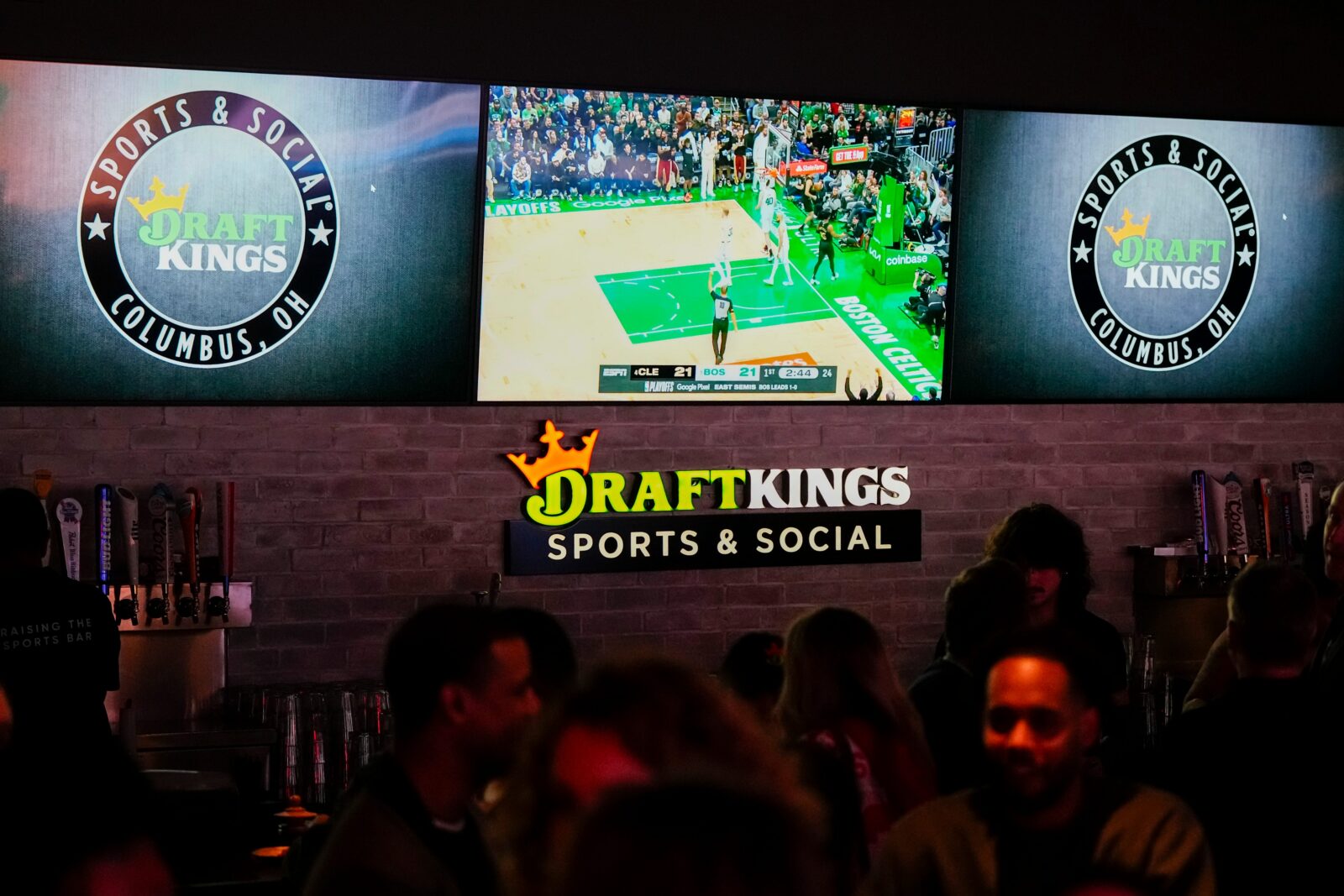
Watching sport used to mean following the score, the clock, and the main story of the game.
That still matters, but the screen now carries much more. Odds move during open play, graphics react to tracking data, and the viewer follows smaller moments inside the bigger event. A touchdown, three-pointer, or the next shot on goal can now hold attention on its own.
The Screen Now Asks For Faster Attention
That change shows up early, often before kickoff. Viewers who already follow racing, football, or basketball usually move between markets much faster than before, and that includes niches like horse race betting, where timing and live information shape the whole experience. The habit carries over to other sports. People stop waiting for the final result and start reacting to the next small event.
The same thing happens when fans compare live interfaces on a best betting site, paying attention to speed, market depth, and how clearly the screen works during live play. They look at speed, market depth, and whether the screen makes sense under pressure. That sounds technical, but it affects how sport is watched. A smoother interface encourages more active viewing because the fan is no longer just sitting back.
Broadcasters Changed the Rhythm
Live coverage has adjusted around this behavior. Optical tracking data now feeds on-screen graphics that react in real time. A football broadcast can show player speed, defensive packages, and updated odds within seconds. That makes the game feel denser, even during quiet spells.
The result is a different kind of attention. Fans no longer wait only for touchdowns. They track mini-stories inside the game and treat each phase as its own decision point.
Three things have changed the most:
- The broadcast overlay now carries betting information alongside game data.
- Smaller events hold value for longer than they used to.
- Viewers follow the game with one eye on probability, not just emotion.
That also changes what counts as a quiet moment. Multiple 3-and-outs can still feel active when the screen keeps offering new context. A low-scoring game can still feel busy when every possession opens another angle.
Money Helped Shape This Shift
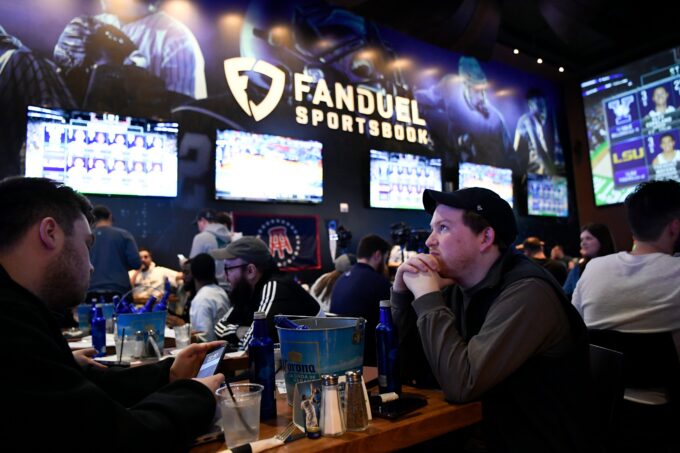
Sponsorship money plays a big role here. Betting partnerships bring cash into leagues, teams, and media packages. That support helps fund broadcasts, rights deals, and club visibility across long seasons. It also changes what fans see around the game, from shirt sleeves to studio segments.
At the same time, fan groups have become more vocal about ad volume, especially during games watched by younger audiences. That kind of participatory pressure is now part of the sports business, too. Viewers are not passive about presentation anymore.
Integrity Now Sits Closer to the Action
More live markets mean more scrutiny. Leagues and data companies watch suspicious betting patterns more closely because athletes, referees, and game events sit under constant financial attention. Integrity teams now matter as much as camera crews and production staff.
Sport still runs on skill, tactics, and drama. What changed is the way people consume each minute. The game is no longer one story. There are many small ones, running at the same time, and each one now carries its own audience, tension, and commercial value.








Leave a comment