

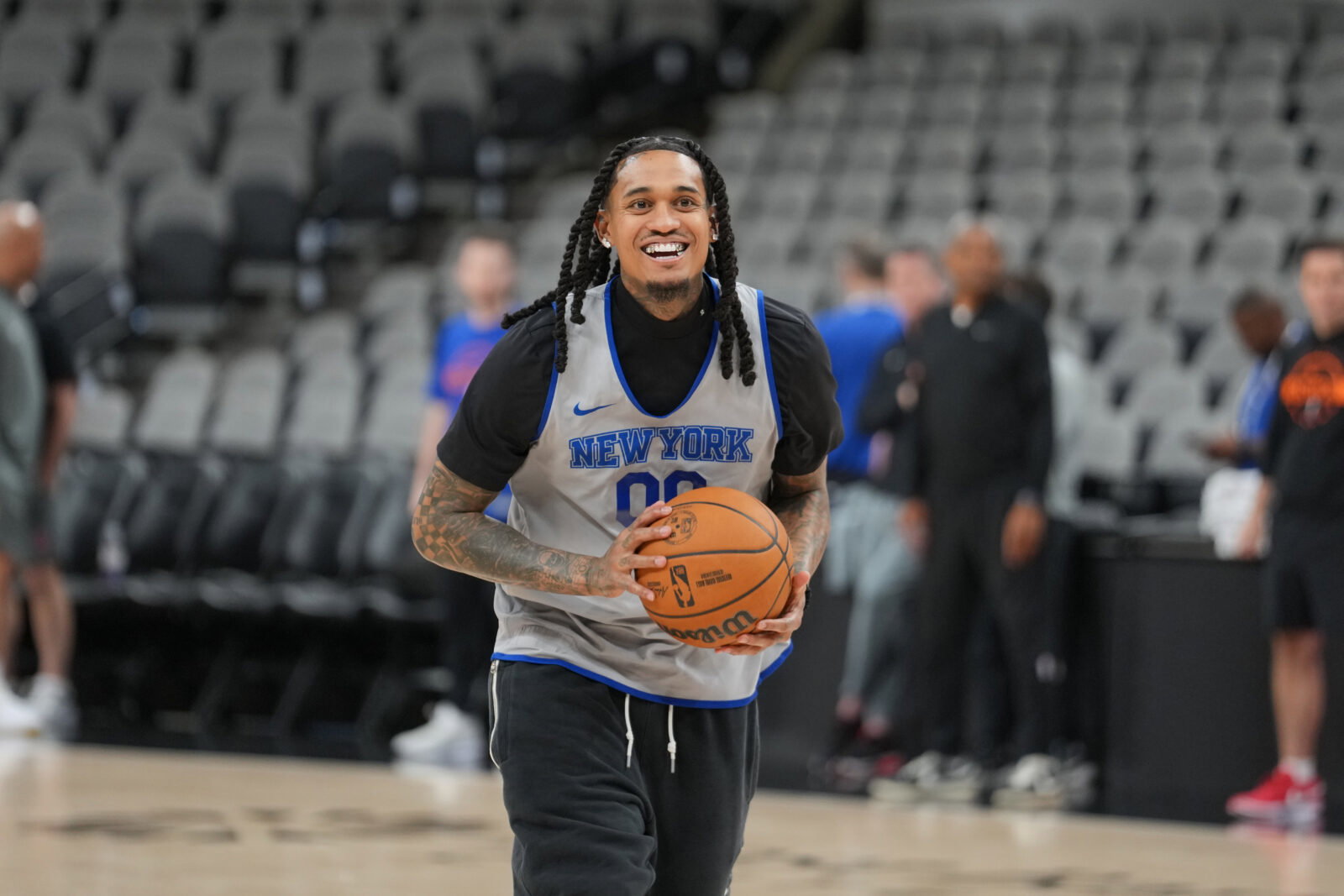
In the Philippines, the NBA doesn’t need a marketing campaign. It has the converted.
On any given weeknight in Manila, Cebu or Davao, cable and streaming broadcasts of NBA games draw audiences that most domestic sporting events can’t match. Filipinos follow the league with an intensity that mirrors how football nations track UEFA competitions — and they’ve done so for generations. What’s changed recently is the emergence of a legal, regulated pathway that turns that passion into sports wagers, and the operators who built that pathway are expanding fast.
The Philippines’ NBA Following Isn’t Casual Fandom
The Philippines consistently ranks among the highest NBA viewership markets in Asia. Fil-Am representation in the league deepens the personal investment beyond entertainment into national identity. When Jordan Clarkson — who wears the Philippine flag on international courts — reaches a playoff series, Filipino social media responds with the same intensity as coverage in major US markets. Younger stars with Filipino heritage entering the league have only strengthened this connection.
This depth of fandom creates something genuinely valuable for sports betting operators: bettors who already understand the product before they open an account. A Filipino NBA fan doesn’t need an educational primer on point spreads or game totals. They’ve been tracking team stats, debating matchups and following roster moves for years.
For operators, that lowers acquisition costs and compresses the learning curve between first registration and first meaningful deposit.
PAGCOR Licensing Shaped the Legal Betting Environment
The Philippine Amusement and Gaming Corporation has served as the primary regulatory authority for legal gaming in the Philippines for decades. PAGCOR’s licensing framework for online sports betting has expanded to accommodate the growth of digital sportsbook operators — both locally incorporated and offshore-licensed — serving Filipino players.
PAGCOR-licensed operators are required to implement responsible gambling measures, maintain transparency on odds calculation, and comply with payment regulations covering local financial channels. For Filipino bettors, this framework means that licensed platforms operate under defined oversight — a meaningful assurance in a market that previously lacked a clear legal framework. It has also made GCash and Maya wallet integration possible within a compliant payment flow, removing the friction point that historically limited first-deposit rates.
The Conversion From NBA Fan to Sports Bettor
Philippine basketball literacy is built before the NBA enters the picture. The PBA has operated as the country’s professional league since 1975, producing generations of fans comfortable with box scores, team performance tracking, and game prediction. When those fans migrate to NBA coverage, they bring native sports-betting skills with them even if they’ve never placed a formal wager.
NBA wagering carries social weight in the Philippines that domestic leagues haven’t quite replicated. Picking correctly on a Lakers-Warriors series or a Celtics playoff run has a bragging-rights dimension that operates across friend groups, office pools and social media. Operator data reflects this: NBA games consistently generate the highest bet volumes on Philippine sportsbooks during the regular season, ahead of PBA, UAAP and other local competitions.
Filipino bettors who have researched their options will find that some of the best sports betting sites in the Philippines accept GCash and Maya alongside major credit cards, publish odds specifically compiled for the NBA matchups that drive local volume, and are localized for Philippine currency and time zones.
GCash as the Deposit Infrastructure That Made This Possible
The sports betting growth story in the Philippines isn’t purely about NBA fandom — it’s about infrastructure catching up to appetite. GCash’s penetration into the Filipino adult population now covers a substantial portion of both banked and unbanked users. Paying for food delivery, settling bills, and making e-commerce purchases through GCash is normalized behavior across income brackets and regions.
The practical consequence for sports betting operators is a dramatically lower deposit friction barrier. A mobile-native Filipino bettor who already uses GCash for daily transactions faces minimal additional effort when adding a licensed sportsbook to their wallet’s linked services. Deposit abandonment rates have fallen as wallet-to-wallet flows between GCash and major sportsbook platforms have become smoother, and the time between account registration and first active bet has shortened accordingly.
Understanding the biggest challenges for B2B sports betting providers in 2026 makes it clear that payment integration remains a primary driver of market penetration in emerging Asian markets. The Philippines sits at an advantage precisely because GCash has solved the local payment problem at scale before most other regional markets have a comparable solution.
What Does the NBA’s Commercial Strategy Mean for Philippine Operators?
The NBA’s relationship with legal sports betting has transformed since the Supreme Court’s 2018 Murphy v. NCAA decision opened US markets. League partnership deals with major sportsbook brands have placed betting statistics, live odds integrations, and operator branding within broadcast packages that air internationally — including across Southeast Asia.
The NBA’s evolving relationship with sports betting has changed the cultural framing of wagering on league games. When Filipino fans watch an NBA broadcast that includes integrated betting overlays and sponsored odds segments, the activity reads as part of the mainstream basketball experience. Philippine operators benefit from this normalization effect without having to build it themselves: the league’s own commercial partnerships have done the work.
The PBA Bridge and Year-Round Engagement
Philippine domestic basketball creates a year-round betting environment that most single-market operators can’t match. PBA conferences run on a compressed schedule that delivers three championships per calendar year, keeping bettors engaged through the NBA’s offseason months when news is limited to free agency speculation. The overlap between PBA and NBA betting activity produces consistently higher session frequency among Filipino sports bettors than operators in less basketball-saturated markets observe.
This dual-league dynamic is structurally advantageous for retention. Filipino players who start betting on NBA games don’t go dormant in the summer — they shift their attention to the PBA, then migrate back to the NBA preseason, then to opening night. The calendar almost never goes quiet, and operator data consistently shows that Philippines-based users have lower churn rates than comparable cohorts in markets without a strong domestic basketball league.
Where the market goes from here
Philippine sports betting is still early in a maturation curve that markets like the UK, Australia, and the US advanced through over the past decade. Mobile payment infrastructure is in place. PAGCOR’s licensing framework is established. The NBA’s international broadcast strategy continues to expand its Philippine audience. The combination of these factors suggests the sector’s current growth rate is not an anomaly but a baseline — and that the operators investing now in NBA-specific odds depth, Filipino-language customer support, and GCash-native deposit flows are positioning for a market that will look considerably larger in five years than it does today.










Leave a comment