

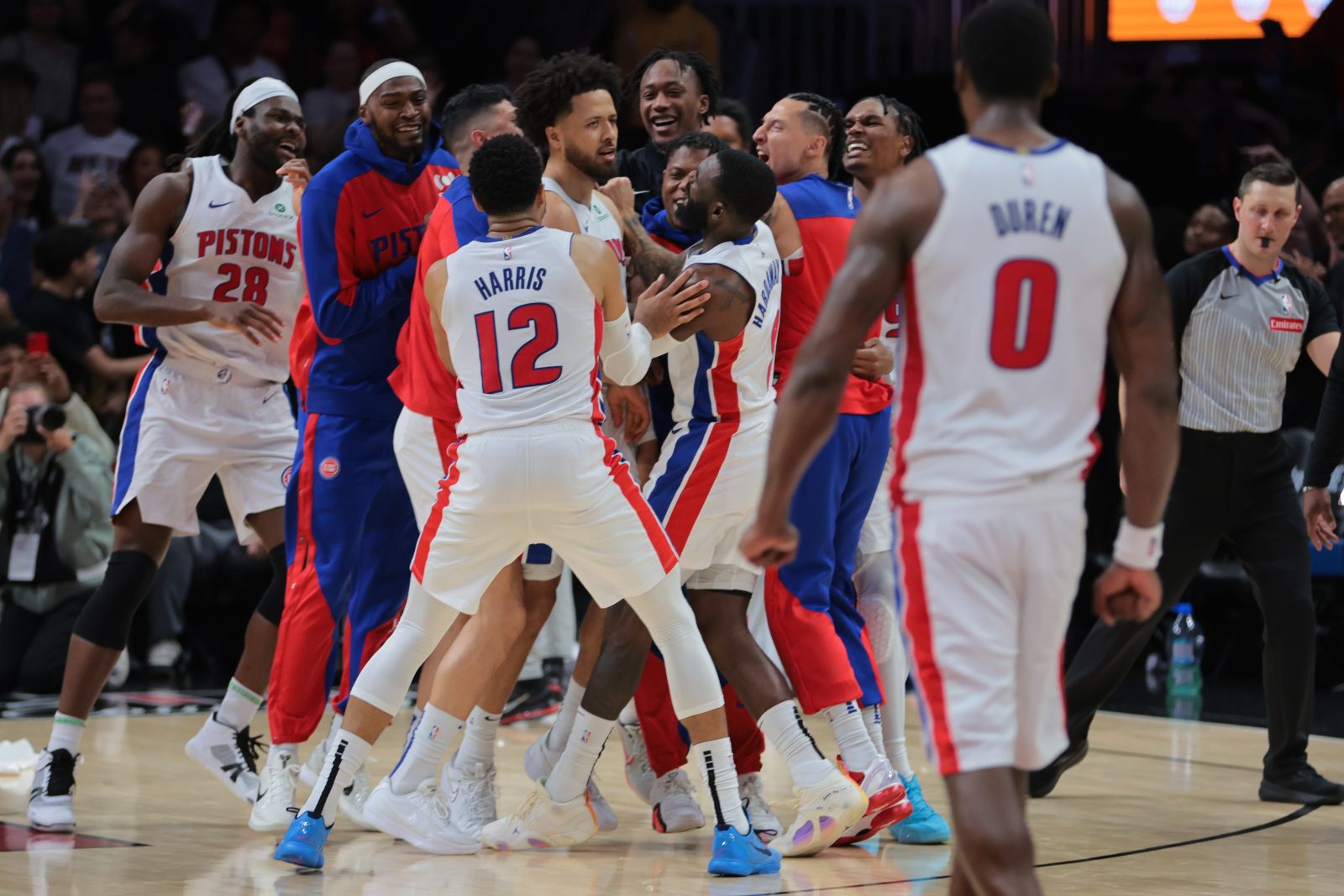
Six weeks ago, trade speculation flurried around the Eastern Conference-leading Pistons, including a blockbuster move for injured Mavericks center Anthony Davis. But Detroit Head Coach J.B. Bickerstaff wasn’t having any of it.
“We made a decision this summer that we weren’t going to push the panic button just because we had a little bit of success last year,” Bickerstaff said on Dec. 12. “We felt like our guys earned the right to come back as a group and see what they can build on.”
This season, that decision has certainly paid off. The Pistons boast the second-best record in the NBA at 36-12, an All-Star starter in Cade Cunningham and one of the stingiest defenses in the league.
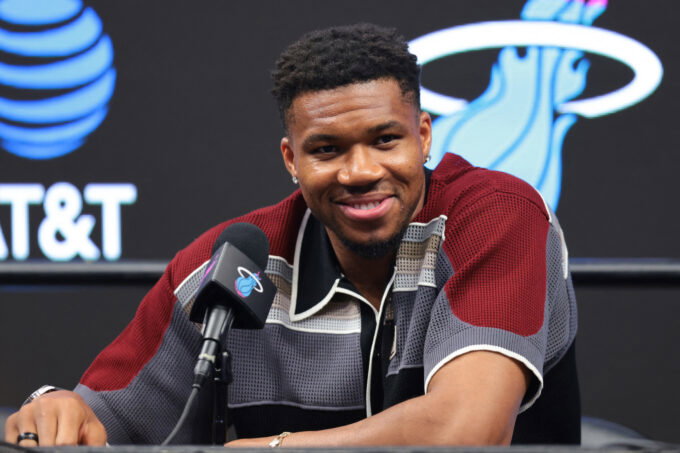
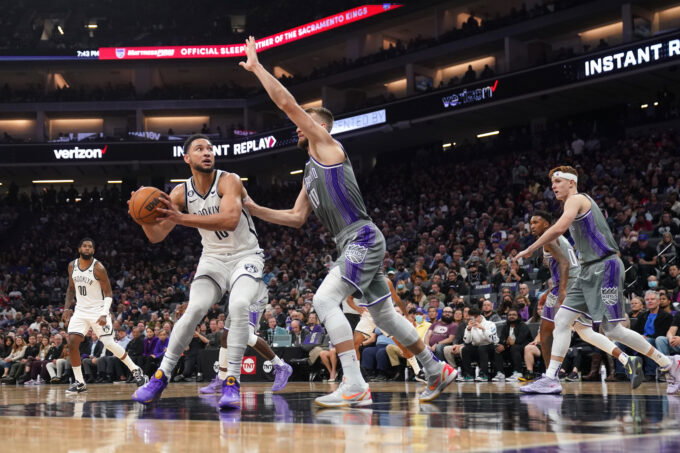
With the trade deadline just a week away, Bickerstaff’s previous comments have done little to squash the buzz about potential acquisitions for Detroit. The Pistons have been linked with a plethora of players, from the Nets’ Michael Porter Jr. to Bucks superstar Giannis Antetokounmpo.
Detroit certainly has the capital to trade for a player of Giannis’ caliber. But for a team that’s vaulted up the standings through a tight-knit locker room and excellent chemistry, doing so would be unnecessary — and completely antithetical to the formula that got them here.
If It Ain’t Broke…
When the Pistons hired Trajan Langdon as the president of basketball operations in 2024, he wasn’t remotely thinking about playoffs. His job was to rebuild a team coming off one of the worst seasons in basketball history.
“I don’t think they’re just good human beings, they’re good basketball players,” Langdon said in his introductory press conference on Jun. 21, 2024. “ … And these guys do have potential. I’m excited about working with them, and then bringing some players in … to bolster their growth. Let’s see what the potential of these young men are.”
Langdon’s plan was clear: Detroit’s front office wasn’t going to hit the panic button and bring in a superstar. It would stay the course, and focus on unlocking the untapped capabilities of its young team.
Last year, bringing in veterans like Tobias Harris and Malik Beasley paved the way for a breakout season from Cunningham. And this season, he’s taken his game and team to a whole new level, dicing up defenses at a league-leading clip of 9.8 assists per game.
The Pistons’ revival wouldn’t have been possible without trusting Cunningham and the rest of their young talent to shine in the spotlight. And now that they are, there’s no reason to take it away from them.
Pistons’ Recipe for Success
There’s a lot to like about how Detroit has played this season. Along with a defense allowing just 109.7 points per game, Cunningham’s partnership with an ascending Jalen Duren has made the Pistons monsters in the paint, where they’re scoring an average of 57.2 points. Both marks are good for second in the NBA.
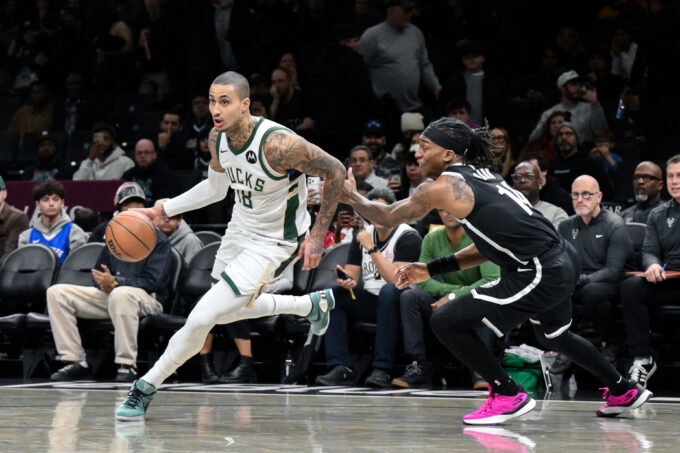
Despite its interior dominance, Detroit’s inconsistent perimeter shooting has held back its offense. That was epitomized in Tuesday’s narrow win over the Denver Nuggets, where they drained just six of 31 shots from beyond the arc. Nine of the last ten NBA champions have ranked in the top eight for three-point percentage, and an efficient shooter like Porter Jr. would help stabilize that.
But the Pistons don’t need more elite shooting on paper to prove they’re capable of winning a championship. With other foundational strengths in place, they need enough shooting when it matters — and so far, they’ve consistently found it. They’ve already demonstrated a far more crucial skill for a championship-caliber squad — the ability to win big games in a variety of ways.
Detroit’s Dominance in 2026
Detroit has opened the new year on a 10-4 run, punctuated by a pair of wins over their two closest competitors in the East: a 31-point blowout of the second-place New York Knicks and a nailbiter over the third-place Boston Celtics. Those performances have been powered by the Pistons’ communication, chemistry and willingness to trust each other, and they’ve cultivated those qualities by playing together as a team.
“It didn’t take long, it was just game reps, man,” Duren said to The Athletic earlier this month. “Just playing with each other and being in constant communication. I mean, we break down plays, even in-game.”
Powered by that shared experience, Detroit hasn’t looked like a young team that’s flirting with contention — they are comepting. There’s no reason to spend capital on an external savior when the Pistons already have a winning blueprint in front of them.
Not Even Giannis?
It’s easy to hypothesize about what the Pistons could be with additional talent. But trading for new players isn’t necessarily additive — bringing in new faces could be more detrimental to their chemistry than beneficial to their production.
“I’m going to say this I have a Cade and I have this team,” said Gilbert Arenas. “Cade has this team here. If I could get Giannis as long I have Cade take what you want. Two years from now I’m competing for a championship.”
The image of Cunningham lobbing passes to Giannis is certainly a tantalizing one for Pistons fans. But acquiring a superstar means asking Detroit to recalibrate the roles and leadership hierarchy of its playoffs halfway through the season. For a team that’s already proven it can beat anyone in the league with its current roster, there’s no need for Detroit to change its dynamic.
Detroit Has Found Its Identity
Above all, Detroit’s found success because it’s a team that knows its identity. Along with strong leadership from its All-Star head coach and point guard, the Pistons’ role players all have clear-cut contributing roles. Duncan Robinson is a shooting specialist. Javonte Green’s a versatile wing defender, and Daniss Jenkins runs the offense when Cunningham needs a rest.
Asking a young and cohesive roster to acclimate to a new headliner risks losing the formula that’s led Detroit from rock bottom to the pinnacle of the league. Giannis and Porter Jr. — two players who’ve had their fair share of controversy — may elevate the Pistons’ talent, but they also come with usage expectations and outside noise. Those are concessions Detroit doesn’t need to make.
With a plentiful array of future picks and a $14.1 million traded player exception, the Pistons have the flexibility to pursue another floor-stretching deep threat or an available player that matches their team. But for Detroit, a high-profile addition would be more of a gamble than trusting its roster and sticking to its guns.
The Pistons don’t need to make a big splash before the trade deadline. They’re already well on their way to making one in the postseason.










Leave a comment