

Three surprising ways athletes supercharge recovery include pairing pneumatic compression boots with manual drainage and following cryotherapy with circulatory massage. Combining hyperbaric oxygen therapy with myofascial release also significantly reduces downtime while preventing injury.
These hybrid protocols are transforming professional sports recovery strategies. By layering technology with hands-on therapy, athletic trainers can address physiological bottlenecks that standard rest days often miss.
Why Recovery Shapes Seasons
New York’s opening-night gasp when Aaron Rodgers tore his Achilles was not just heartbreak; it was a live-broadcast masterclass in why structured sports recovery matters.
In track and field, studies of injuries (including from the NEISS database, 2014-2023) indicate that 83% occur in the lower extremities, while data across athletes (including collegiate) show that about two-thirds of injuries affect the lower limbs, with knees among the most common sites alongside ankles.
Whether you prep Olympians, footballers, or weekend triathletes, dialing in recovery determines longevity just as much as time spent under a squat rack.
Below, we break down three science-backed recovery methods currently favored in pro locker rooms. We also show how targeted massage therapy elevates each protocol even further to keep athletes in the game.
| Key Insight: Soft-tissue injuries account for nearly 62% of lost NBA games from 2013-19. Effective recovery protocols aren’t just luxury perks; they are critical asset protection strategies that determine a team’s longevity and season outcome. |
1. Compression Boots & Post-Boot Drainage Massage
How the modality works:
Intermittent pneumatic compression (IPC) boots rhythmically squeeze the limbs to accelerate venous return.
This action promotes faster lactate clearance after intense physical exertion. Studies have recorded significant reductions in delayed-onset muscle soreness when elite athletes use IPC post-training.
Real-world snapshot:
Many pro athletes cap practice by sliding into compression boots while reviewing game film. Ten minutes after the cycle ends, they move straight onto a treatment surface for manual lymphatic drainage.
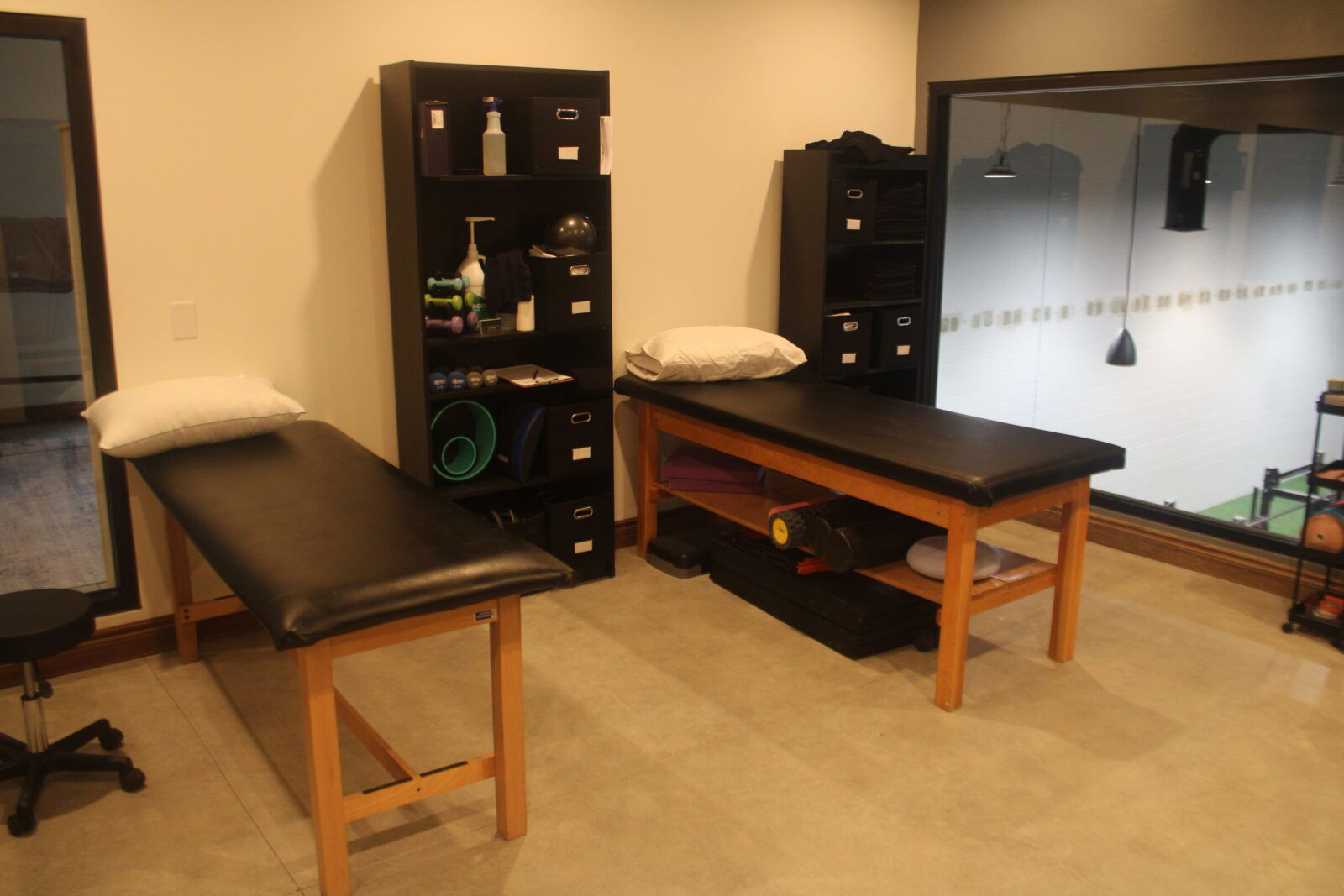
This transition is seamless when using professional equipment like adjustable massage tables from Massage Tools, which allow for easy positioning.
Synergy science:
Manual drainage immediately after IPC capitalizes on freshly mobilized interstitial fluid. This further supports lymph return and mitigates lower-leg swelling effectively. The hands-on phase also pinpoints residual trigger points that mechanical boots cannot address on their own.
| Pro Tip: Don’t stop at the beep. Following pneumatic compression immediately with manual lymphatic drainage capitalizes on mobilized fluid, addressing specific trigger points that mechanical boots simply cannot reach on their own. |
2. Cryotherapy & Circulatory-Rebound Massage
Evidence snapshot:
Whole-body cryotherapy is a mainstay for both NBA and WNBA travel schedules. Recent meta-analysis suggests that this therapy can cut perceived soreness significantly. This reduction allows for more consistent performance during back-to-back games.
How massage multiplies the benefit:
While extreme cold blunts inflammation, it also constricts peripheral blood vessels. Light-to-moderate-pressure effleurage immediately post-cryo speeds the re-warming phase. This restores microvascular flow that ferries nutrients back into fatigued muscle tissue.
Table tech that helps:
Therapists favor electric-lift tables with optional heated tops for specific reasons. Athletes exit a cryo chamber shivering, so gentle surface warmth counteracts residual chill without negating anti-inflammatory gains. Electric lift mechanisms also protect therapists’ backs when transferring stiff athletes onto the table.
| Key Insight: Research indicates whole-body cryotherapy can reduce perceived soreness by up to 40%. To maximize this, pair the cold shock with immediate circulatory massage to safely restore microvascular flow. |
3. Hyperbaric Oxygen Therapy (HBOT) & Myofascial Release
Data point:
Even persistent issues like patellar tendinopathy were not found to negatively affect career longevity when managed correctly. Advanced therapies like HBOT are crucial for shortening soft-tissue healing time compared to control groups.
Pro-locker-room usage:
An NFL lineman nursing quad strains might schedule 60-minute HBOT sessions on off-days. They then immediately undergo myofascial release to counter tissue rigidity from prolonged pressurization.
Massage synergy explained:
Hyper-oxygenated plasma primes tissues for repair, but increased chamber pressure can leave fascial layers temporarily stiff.
Targeted myofascial techniques performed within an hour of chamber exit restore glide between fascial planes. This recycles oxygen-rich blood into deeper muscle fibers.
| Important: While HBOT accelerates healing, the pressure can temporarily stiffen fascial layers. Always schedule targeted myofascial release within an hour of your session to restore tissue glide and prevent rigidity. |
Why Professional-Grade Tables Matter More Than You Think
A basic fold-out table may survive a recreational league tournament, but professional settings require more.
When treating six-foot-seven forwards or 300-lb linemen, table engineering becomes performance infrastructure. Aircraft-grade aluminum frames and ADA-compliant electric lifts are essential features.
An ergonomic 24″ to 34″ working range cuts therapist fatigue and speeds athlete turnover. This aligns with evolving sports-medicine standards where efficiency is paramount.
Auditing your equipment to find the spec sheet that aligns with your training room’s daily grind is a critical step in professionalizing a recovery space.
| Quote: When treating 300-lb linemen, table engineering becomes performance infrastructure. A 550-lb load rating isn’t overkill; it’s a necessary safety standard that protects both the athlete and the therapist’s body mechanics. |
Holistic Touchpoints
Recovery is a relay, not a single sprint. Adequate protein intake and omega-3 supplementation are foundational for tissue repair. Sleep tracked via wearable tech rounds out a 360-degree plan.
The more pillars you secure, the less stress any one pillar bears. Integrating nutrition and sleep data with therapy creates a complete picture of an athlete’s health. This holistic approach ensures no aspect of performance is left to chance.
The Bottom Line
Compression, cold, and high-oxygen environments each move the recovery needle for athletes. Pair them with strategic massage therapy on the right treatment surface, and that needle jumps significantly.
From stable, high-capacity frames to heated tops, the newest generation of equipment transforms evidence-based theory into daily practice.
This safeguards therapists while simultaneously elevating athlete performance. Audit your current setup and shore up any weak links in your facility. Commit to recovery systems that work as hard as your athletes do to ensure peak results all season.
| Massage Tools is the leading online retailer of professional-grade massage, spa, and medical equipment for practitioners across the wellness industry. |










Leave a comment