

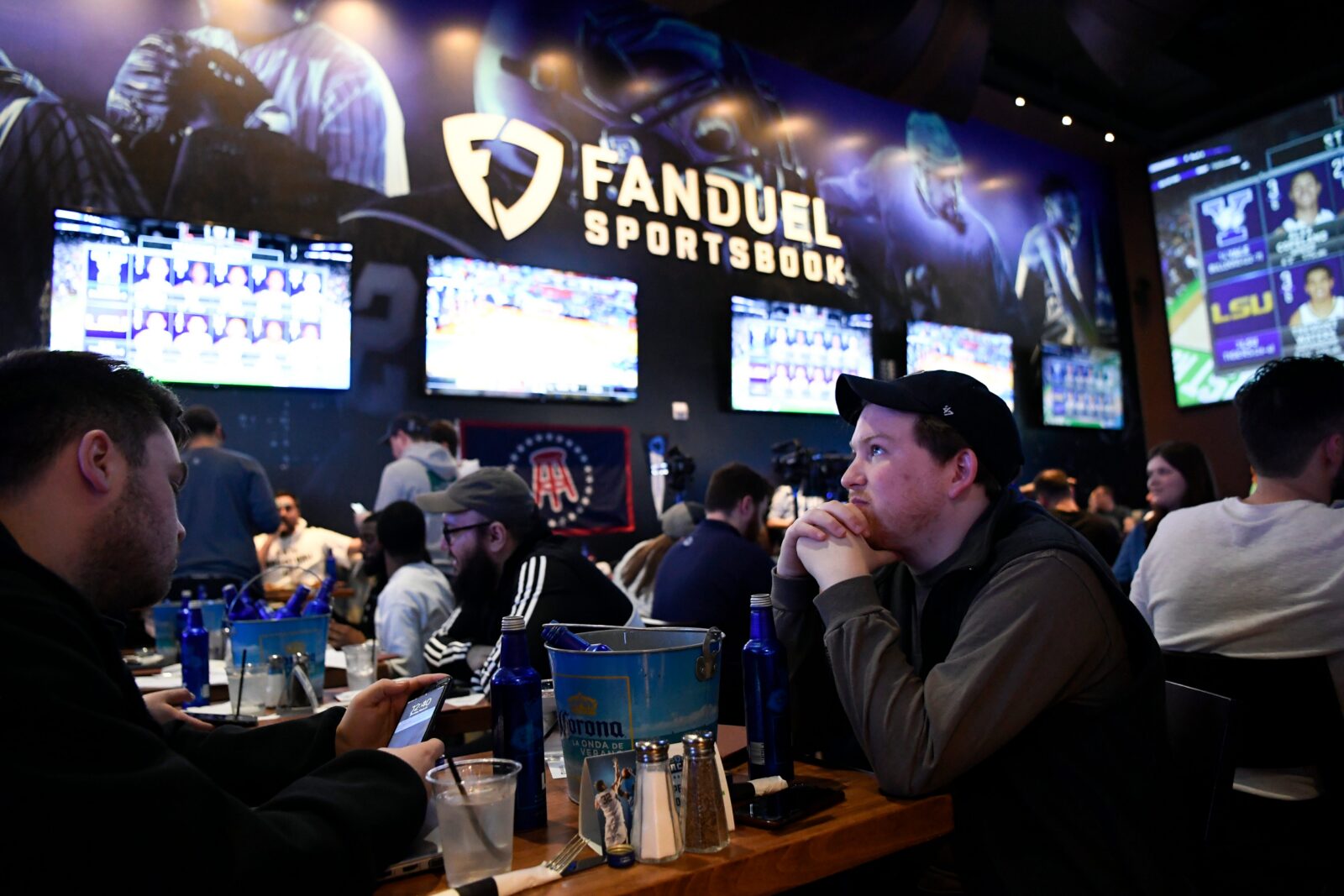
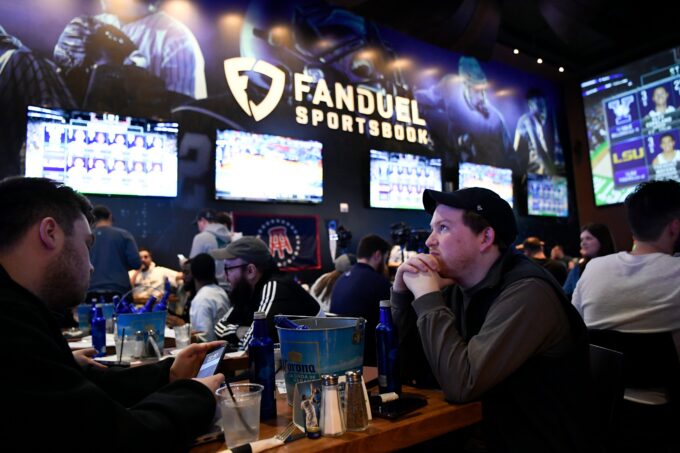
The way fans watch sports today is fundamentally different from just a decade ago.
With the rapid expansion of legal wagering markets and the integration of real-time odds into broadcasts, engagement has become more interactive and data-driven. Fans are no longer passive viewers— they are active participants tracking outcomes beyond the final score.
This shift can be seen across major leagues like the NFL and NBA, where betting markets influence everything from pregame discussions to in-game decisions. Even broader digital trends, from fantasy sports to interests like online pokies, reflect how entertainment and wagering are becoming increasingly interconnected.
The Rise of Real-Time Engagement
One of the most noticeable changes in modern sports viewing is the rise of real-time engagement.
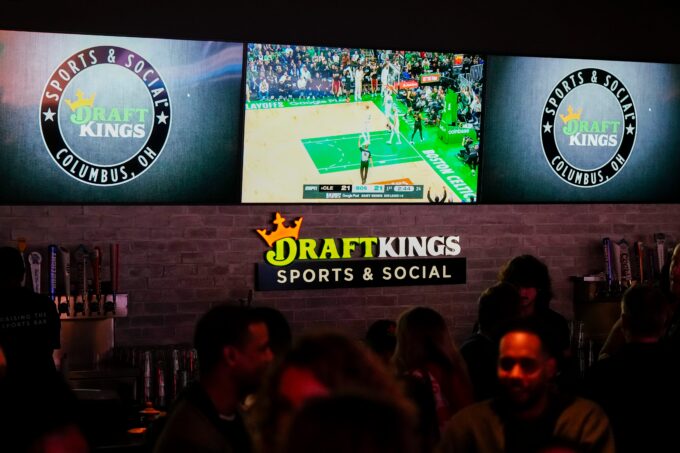
Fans now follow live odds alongside the action, often reacting to every play with a betting perspective in mind. A touchdown, turnover, or three-point shot is no longer just a highlight; it can instantly shift spreads, totals, and prop outcomes.
Broadcasts and digital platforms have adapted quickly. Many now display live odds, betting insights, and probability metrics directly on screen. This constant flow of information encourages fans to stay engaged for longer periods, as every moment carries potential significance.
Mobile technology has played a key role in this transformation. With betting apps readily available, fans can place wagers during games with just a few taps. This convenience has made live betting one of the fastest-growing segments in the industry, especially in fast-paced leagues like the NFL and NBA, where momentum can change quickly.
A Deeper Focus on Data and Analysis
Sports betting has also driven a greater emphasis on data and analysis among fans. Casual fans are becoming more familiar with advanced statistics — especially when reading articles from The Lead — player trends, and matchup breakdowns. Concepts that were once limited to analysts and coaches are now part of everyday fan conversations.
Pregame coverage has evolved as a result. Instead of focusing only on narratives or storylines, discussions often include injury reports, efficiency metrics, and historical performance against the spread. This analytical approach helps fans make more informed decisions while also deepening their understanding of the game.
In the NBA, for example, player props have become a major point of interest. Fans track individual performance metrics such as points, rebounds, and assists, often following specific players throughout a game rather than just the overall score. In the NFL, attention to situational stats, such as red zone efficiency or third-down conversion rates, has become more common.
This shift toward data-driven engagement has blurred the line between fan and analyst. Many viewers now approach games with a strategic mindset, evaluating outcomes based on probability rather than purely emotional support.
Changing Fan Behavior and Viewing Habits
The influence of sports betting extends beyond how fans watch games— it is also changing when and why they watch. Games that might have once been overlooked are now relevant due to betting interest. A matchup between lower-ranked teams can still attract attention if there are appealing odds or intriguing prop bets.
This broader engagement has increased viewership across leagues. Fans are more likely to tune into multiple games in a single day, following different bets and outcomes simultaneously. Red zone style coverage and multi-game viewing options have become especially popular as a result.
Social interaction has also evolved. Fans frequently share bets, predictions, and reactions on social media, creating a more connected and competitive viewing experience. Communities form around shared strategies and insights, further enhancing engagement.
At the same time, the emotional experience of watching sports has shifted. Wins and losses are no longer tied solely to a favorite team, but also to individual wagers. This adds an extra layer of excitement, but also introduces new dynamics in how fans process results and stay invested throughout a season.
As much as they have already evolved, sports betting and prediction markets are still in their infancy, with much more to come.








Leave a comment