

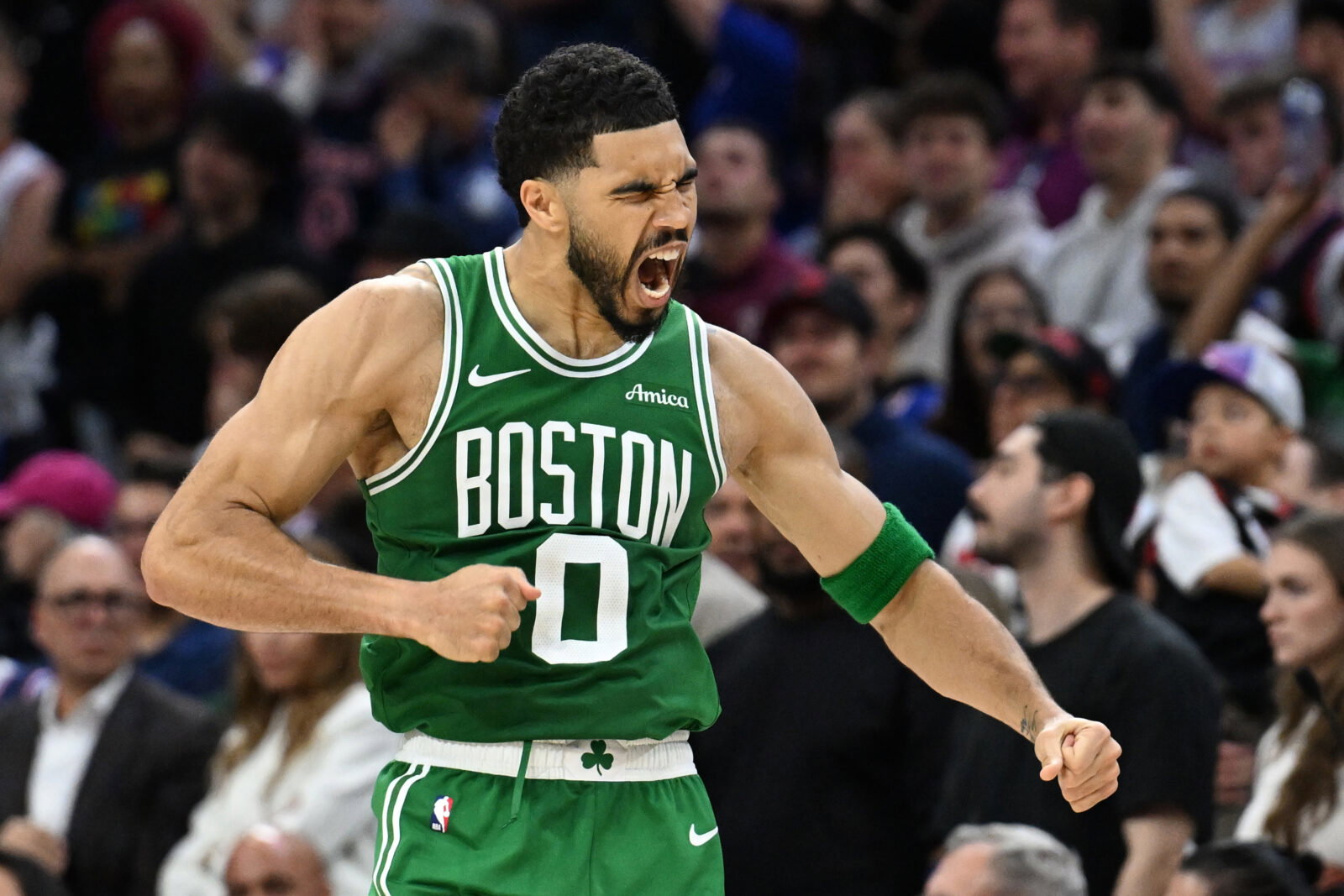
The 2026 NBA playoffs have been eye-opening for the top championship contenders — especially the Boston Celtics.
In a year where many expected the Oklahoma City Thunder to emerge as basketball’s next dynasty, the New York Knicks and San Antonio Spurs are dueling in the Finals. Either team winning will result in the league’s eighth different champion in eight seasons.
Parity appears to be at an all-time high. While competition across the league has improved, the Celtics have backpedaled in each of the past two postseasons. After spending the past few years in the driver’s seat of the Eastern Conference, Boston now finds itself a passenger to the Knicks, who have seized control.
It’s certainly not where the Celtics want to be. However, New York’s thriving doesn’t mean Boston’s organization is in a bad position.
Consider the foundation the Celtics have: the most successful active duo in the NBA with Jayson Tatum and Jaylen Brown, a two-time Executive of the Year winner in Brad Stevens, the reigning Coach of the Year, Joe Mazzulla, and a deep, overachieving supporting cast from last season.
With that foundation in place, Boston’s championship window isn’t closing anytime soon.
The Misconception About Tatum’s Prime
A fear among Celtics fans is that the organization is at risk of wasting Tatum’s prime, but at 28 years old, his prime shouldn’t be at risk of ending.
Modern sports medicine is extending careers further than ever before. The NBA’s previous generation of superstars has repeatedly shown that elite players can remain dominant well into their 30s.
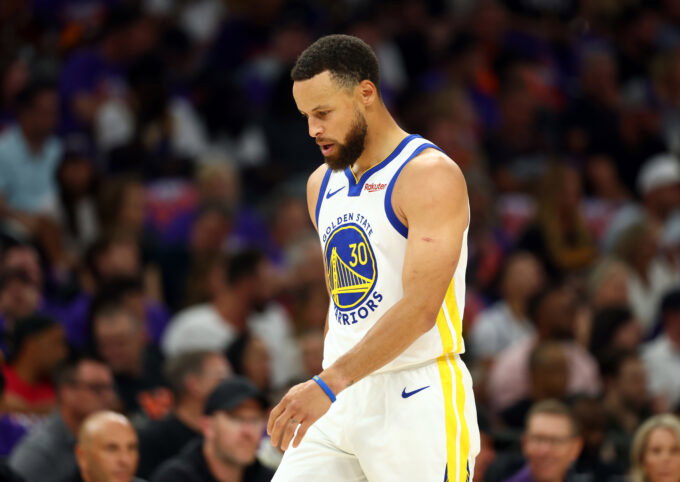
LeBron James was just the best player in a playoff series at 41. Steph Curry, a small guard with a lengthy injury history, led the Warriors to a championship at 33. Since tearing his Achilles at 30 years old, Kevin Durant has three All-NBA selections and is averaging 30.2 points per game in 32 playoff contests.
It’s not about comparing Tatum’s talent to those three. It’s about recognizing that the boundaries of sports longevity are being pushed further each year.
Tatum has already built a Hall of Fame-caliber resume at just 28. More importantly, he just demonstrated the necessary commitment to maximizing his longevity this past season. After suffering a torn Achilles in May 2025, he returned to NBA action less than 10 months later.
He has earned the right to be discussed alongside the league’s best examples of sustained greatness. The big three of the 2010s is the standard he should be chasing for the rest of his career.
Championship Core Still in Place
The Celtics don’t just have one All-NBA player in his prime. They have two.
Brown just delivered the best season of his career, during which his approach and understanding of the game greatly improved.
The consistency of Brown’s scoring is a major asset to the Celtics. In 2025-26, he became the first Celtic to ever lead the NBA in field goals made. He recorded 35 30-point games — delivering a baseline of offense that allowed the rest of the roster to thrive on the margins.
Derrick White remains one of the league’s smartest two-way players. Payton Pritchard continues to outperform his contract as an efficient offensive spark plug.
Meanwhile, Mazzulla earned Coach of the Year honors by maximizing production across the roster, from his proven veterans to inexperienced draft selections.
The Celtics discovered valuable developmental players during the retooling season. Even if they didn’t produce at the same level during the playoffs, that development remains important to the franchise’s long-term outlook.
Boston’s floor is still remarkably high. The team recorded 56 wins and entered the postseason as one of the championship favorites, despite Tatum playing just 16 games.
With a healthy Tatum and another year of chemistry in place, the Celtics should only improve entering next season.
Ahead of Schedule in 2026
Boston entered the 2025 offseason headed for an NBA-record $540 million payroll. The front office decided that, without knowing Tatum’s status for the season and the supporting cast getting another year older, long-term flexibility was more important than clinging to the 2024 core.
Stevens’ goal was to create a sustainable path forward, even if it meant prioritizing the future over the 2025-26 season. After slashing their payroll by $350 million in one year, the Celtics were still in position to hunt Banner 19 in 2026.
Neemias Queta and Luka Garza, Boston’s top two centers, had combined for only 11 career starts entering the season. Jordan Walsh, Baylor Scheierman, Hugo González, and several others were unproven.
Yet thanks to Brown, White, Mazzulla, and a strong organizational culture, the Celtics exceeded expectations.
The first-round collapse was disappointing, but treating the season as a failure is incorrect. Instead, the season should be viewed as proof that Boston can remain competitive while simultaneously building its next contender.
Urgency, Not Overreaction
So where do the Celtics go from here?
With Tatum back, Boston’s front office should be committed to championship contention once again.
The Celtics don’t need a dramatic overhaul. Tatum and Brown are as proven a duo as there is in today’s NBA. The two of them alone are talented enough to stand up to anyone.
Boston began developing the Jays’ next supporting cast last season and has the financial flexibility to improve the roster as needed.
The Knicks may currently sit atop the Eastern Conference, but the Tatum-led Celtics are in a position to compete for years to come.
Boston is no longer defending the throne — they’re chasing it. With the likes of New York, San Antonio, Oklahoma City, and whoever else loads up for next season, the competition at the top is stacked.
It won’t be easy, but Banner 19 is still within reach.










Leave a comment