

In leagues like the NFL, NBA, NHL and MLB, performance isn’t just about talent or tactics. Over the course of long, demanding seasons, outcomes are shaped just as much by travel miles, scheduling quirks, and how teams manage player rotation.
These structural factors don’t just influence fatigue. They quietly dictate consistency, injury risk, and even competitive balance. Understanding them offers a deeper lens into why teams rise, fall, or plateau over time.
The Hidden Cost of Travel
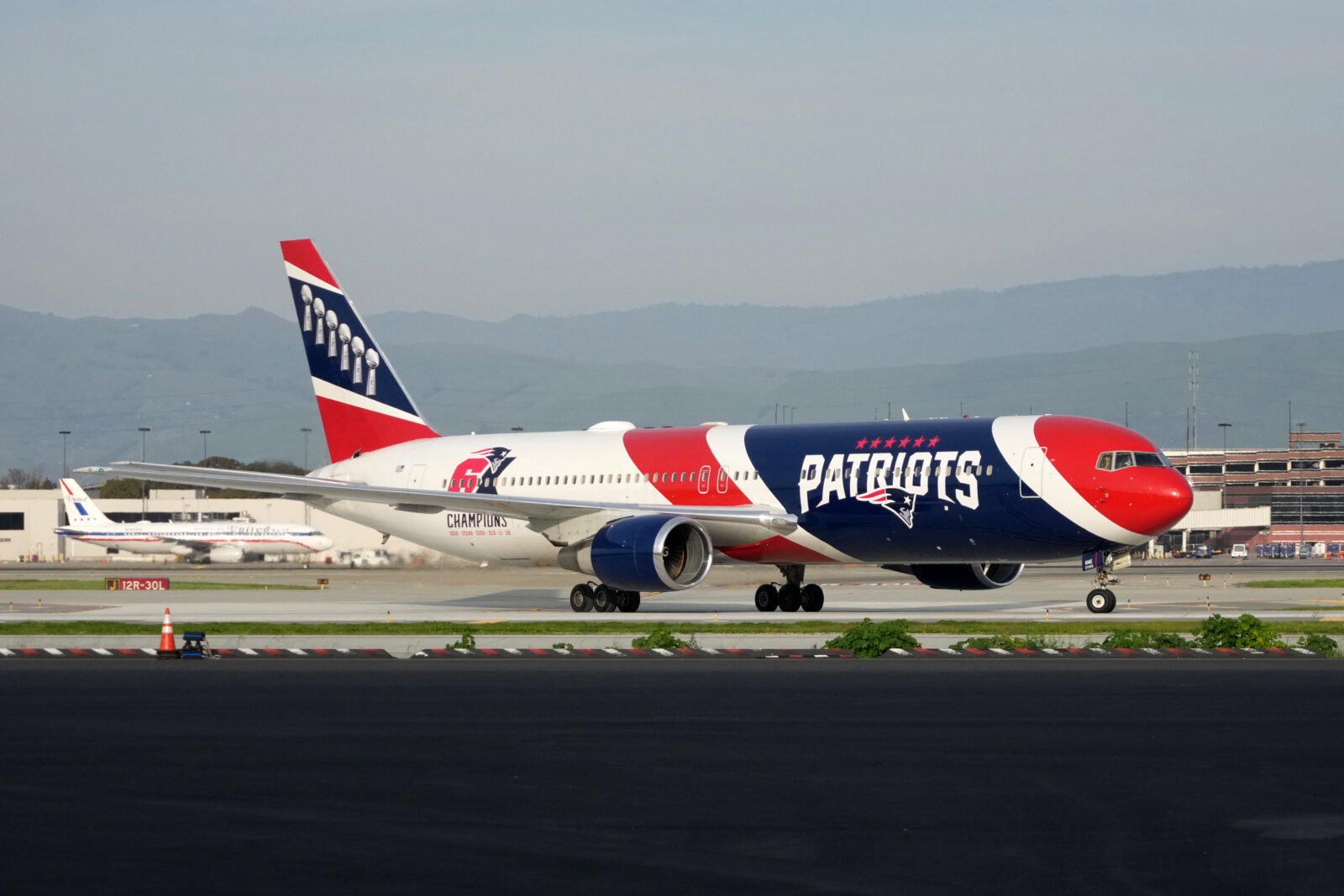
Travel is one of the most underestimated variables in professional sport. In leagues spread across vast geographies, it’s not uncommon for teams to cross multiple time zones within days.
Research shows that travel fatigue and jet lag can disrupt sleep, concentration, and physical performance, while also increasing the risk of illness and injury. More specifically, long-haul travel has been linked to declines in coordination, reaction time, and overall athletic output.
This plays out differently across leagues:
- In the NBA, teams can travel over 40,000 miles in a single season, often playing multiple games per week in different time zones.
- In the NHL, greater travel distance and circadian disruption are directly associated with worse performance.
- In the MLB, although teams travel frequently, longer stays in cities can reduce travel fatigue more than in the NBA.
- In the NFL, travel is less frequent but often involves long distances and short recovery windows.
The key takeaway is simple: travel doesn’t just tire players; it subtly shifts competitive edges. Away teams, especially those traveling across time zones, often operate at a physiological disadvantage.
Scheduling: Where Seasons Are Won and Lost
If travel is the hidden cost, scheduling is the structural framework that amplifies it.
Long-season sports rely on dense calendars. For example, the NBA’s 82-game schedule is compressed into just over five months, meaning teams often play multiple games per week and sometimes back-to-back days. Even with adjustments to reduce extreme stretches, back-to-back games still make up a significant portion of the schedule and are associated with measurable fatigue disadvantages.
You may hear the term “schedule loss” a lot in the NBA. This generally means that a dense schedule includes many of the league’s top teams. A prime example is when teams are home one night and then travel to a top team the next night.
Similarly:
- MLB teams play 162 games, making scheduling endurance a defining factor.
- NHL teams face frequent travel combined with high-intensity gameplay.
- NFL teams, while playing fewer games, often deal with short rest weeks and high-impact recovery demands.
Reduced rest time between games negatively impacts performance, particularly when combined with travel.
Scheduling also influences momentum. Teams that face easier travel stretches or longer home stands often build rhythm, while those stuck in long road trips can see their play deteriorate quickly.
Rotation and Load Management: Strategy Meets Science
To counteract these pressures, teams have increasingly turned to rotation strategies and load — or more commonly known today as injury — management.
In the NBA, this has become especially popular, with teams carefully managing minutes to preserve players over long stretches of games.
Rotation decisions are shaped by several factors:
- Game density
- Travel intensity
- Injury prevention
- Game importance
Across leagues, this creates a balancing act. Resting players can protect long-term performance but may sacrifice short-term results. Playing stars consistently may boost immediate outcomes but increase the risk of burnout later in the season.
Well-managed teams use depth, analytics, and medical insight to navigate this challenge effectively.
The Compounding Effect Over a Season
What makes travel, scheduling, and rotations so influential is their cumulative nature.
A single long trip or back-to-back game might not define a season. But over time:
- Sleep debt builds
- Minor injuries accumulate
- Performance consistency declines
- Mental fatigue affects decision-making
In leagues like the NBA and NHL, where parity is high, even marginal differences in recovery and readiness can swing results.
This is why teams invest heavily in sports science, recovery protocols, and data analytics. From monitoring sleep patterns to optimizing travel logistics, modern franchises treat these variables as competitive assets.
Where Insight Meets Engagement
Understanding these dynamics doesn’t just deepen appreciation for the game; it also shapes how fans interpret results and betting markets.
For those analyzing matchups or exploring odds, recognizing factors like travel fatigue or scheduling difficulty can provide a more nuanced perspective. Platforms offering insights and promotions, such as crazyvegas casino bonus codes, often appeal to fans looking to engage more strategically with these nuances.
The Future of Scheduling and Performance Optimization
Leagues are increasingly aware that travel and scheduling are not just logistical concerns but performance variables.
Recent changes, particularly in the NBA, show a shift toward more athlete-friendly scheduling. Advances in data tracking and analytics are helping teams optimize rotation and recovery with greater precision.
Looking ahead, we can expect:
- Smarter scheduling approaches to reduce travel strain
- Greater emphasis on player wellness
- More strategic rest patterns
- Continued debate around competitive fairness
The evolution of long-season sports is no longer just about tactics on the field. It’s about managing the invisible forces that shape performance behind the scenes.
This article was written with insights inspired by sports performance research and industry analysis. For more perspectives on sports, strategy, and analytical thinking, explore the work of Caleb Daly here: Caleb Daly.













Leave a comment