

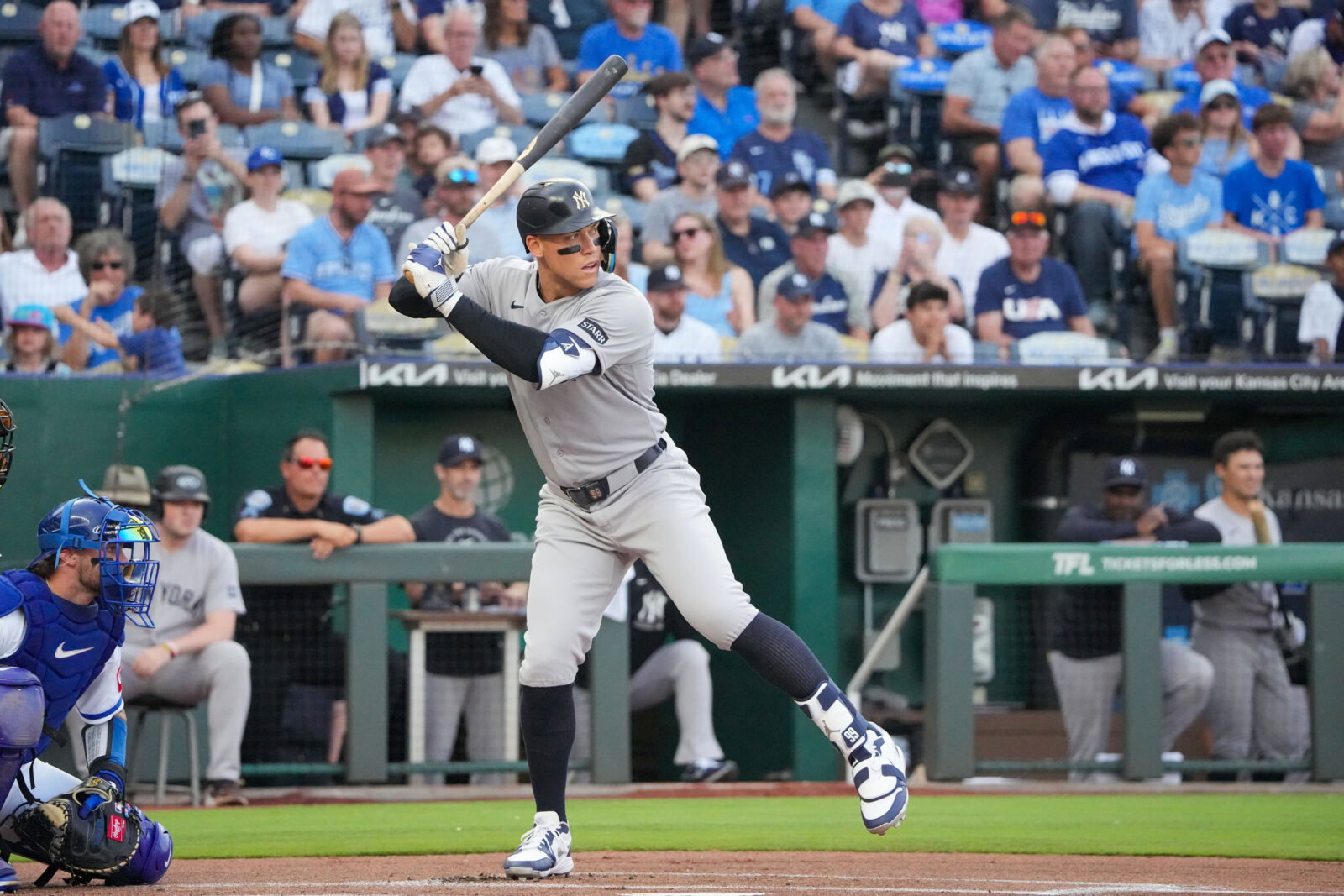
Baseball is full of stats, and for many fans, some of them can feel confusing at first.
Traditional stats like batting average, home runs, and RBIs are easy to recognize, but modern baseball analysis often introduces advanced numbers that seem more complicated. Much like strategy discussions in sports betting or even online poker Australia, baseball analytics rely on understanding numbers to evaluate performance more accurately.
One of the most common and important stats used today is OPS. If you have ever asked yourself, “What does OPS mean in baseball?” you are not alone. Fans, fantasy baseball players, coaches, and analysts all use this stat to evaluate hitters more effectively. Understanding OPS can help you see why certain players are considered elite offensive performers, even if their batting averages are not the highest in the league.
Let’s break it down.
What Is OPS in Baseball?
OPS stands for On Base Plus Slugging. It is a stat that combines two important offensive skills into one number:
- On-base percentage (OBP)
- Slugging percentage (SLG)
The goal of OPS is simple. It measures how well a player gets on base and how much power they hit for. A player who reaches base often and hits for extra bases will usually have a strong OPS.
On Base Percentage (OBP)
On-base percentage measures how often a player reaches base. This includes:
- Hits
- Walks
- Hit by pitches
Unlike batting average, OBP values patience at the plate. A hitter who draws walks and avoids making outs contributes more to the offense.
Slugging Percentage (SLG)
Slugging percentage measures hitting power. Instead of treating every hit equally, slugging percentage gives more value to extra-base hits.
For example:
- Singles count as one base.
- Doubles count as two bases.
- Triples count as three bases.
- Home runs count as four bases.
Why Is OPS Important?
For years, batting average was the main way fans judged hitters. However, that stat does not tell the full story. A player can hit .300 but rarely walk or hit for power. Another player might hit .260 but crush home runs and get on base constantly. OPS became popular because it rewards complete hitters.
Modern baseball values players who can:
- Reach base consistently
- Hit for power
- Create scoring opportunities
OPS captures all of those qualities better than traditional batting average.
This is why broadcasters, analysts, front offices and fans frequently reference OPS when discussing offensive performance.
How to Calculate OPS
Calculating OPS is fairly simple once you know the two components.
Let’s look at an example:
- On base percentage: .360
- Slugging percentage: .520
OPS = OBP (.360) + SLG (.520) = .880
This falls in the very strong category. Many baseball websites and broadcasts display OPS automatically, but understanding the formula helps fans appreciate what the number actually represents.
What Is a Good OPS in Baseball?
One of the most common questions people ask after learning “what is OPS” is how to judge the number.
Here is a general guide:
- Below .700 = Below average
- .700 to .750 = Average
- .750 to .800 = Solid hitter
- .800 to .900 = Very good hitter
- Above .900 = Elite hitter
- Above 1.000 = MVP level production
These ranges can vary slightly depending on the era and league environment, but they provide a useful benchmark.
For example, many of baseball’s top stars regularly post OPS numbers above .900.
OPS vs. Batting Average
Understanding the difference between OPS and batting average helps explain why OPS has become so respected.
Batting average only measures hits per at-bat. It ignores:
- Walks
- Extra base power
- Overall offensive contribution
OPS provides a more complete evaluation. Consider these two hypothetical players:
Player A
- Batting average: .310
- Few walks
- Mostly singles
Player B
- Batting average: .270
- High walk rate
- Many doubles and home runs
Player B might actually help the team score more runs despite the lower batting average. OPS highlights that value.
This is one reason many modern analysts prefer OPS over batting average when evaluating hitters.
Are There Any Weaknesses to OPS?
While OPS is extremely useful, it is not perfect.
One criticism is that it combines OBP and SLG equally, even though getting on base is often considered slightly more valuable than slugging.
Advanced metrics like OPS+ and wRC+ attempt to improve on OPS by adjusting for factors such as:
- Ballpark effects, like weather and temperature differences
- League averages
- Era differences
Still, OPS remains one of the easiest and most effective offensive stats for casual fans to understand.
OPS in Today’s Baseball
In modern baseball, OPS is everywhere.
Commentators reference it during broadcasts. Fantasy baseball players use it to evaluate talent. Coaches and scouts look at OPS to identify productive hitters.
Simply put, OPS measures a player’s ability to get on base and hit for power. By combining on-base percentage and slugging percentage, OPS provides a quick but effective way to evaluate offensive performance.
For fans trying to understand modern baseball statistics, OPS is a good place to start. It is easy to calculate and far more informative than batting average.
The next time you watch a game or check player stats, take a closer look at OPS. You will gain a better understanding of which hitters truly make the biggest impact at the plate.











Leave a comment