

As the NHL regular season comes to a close, the league’s bottom teams are left with many important lessons. Missing the playoffs is one thing, but finishing last in your division is another.
It forces organizations to confront deeper issues: identity, preparation, and execution over the course of an 82-game season. For the teams at the bottom, the offseason isn’t just about roster moves. It’s about learning what went wrong and making sure it doesn’t happen again.
Florida Panthers: You Are Only as Good as Your Last Performance
The Florida Panthers entered the season with championship expectations, carrying the confidence of a recent Stanley Cup title. But that success quickly became a memory rather than a standard.
Florida looked like a team relying on what it had done, not what it needed to do. The urgency that defines championship hockey faded, replaced by inconsistency in both effort and execution.
The lesson is simple but unforgiving: in the NHL, past success does not carry over. Every season demands a reset. If the Panthers want to return to contention, they must approach every game with something to prove, not something to defend.
New York Rangers: Don’t Wait Until It’s Too Late To Make Changes
The Rangers came into the season at a crossroads, needing to respond to a disappointing year. Instead of committing to a clear plan early, the Blue Shirts hesitated.
At times, they looked like a competitive team. At others, they resembled one preparing for the future. That lack of direction created inconsistency that ultimately defined their season. By the time adjustments were made, the Rangers knew their fate in the playoffs.
The lesson for New York is about timing and decisiveness. In a league this competitive, waiting too long to act can end a season before it truly begins.
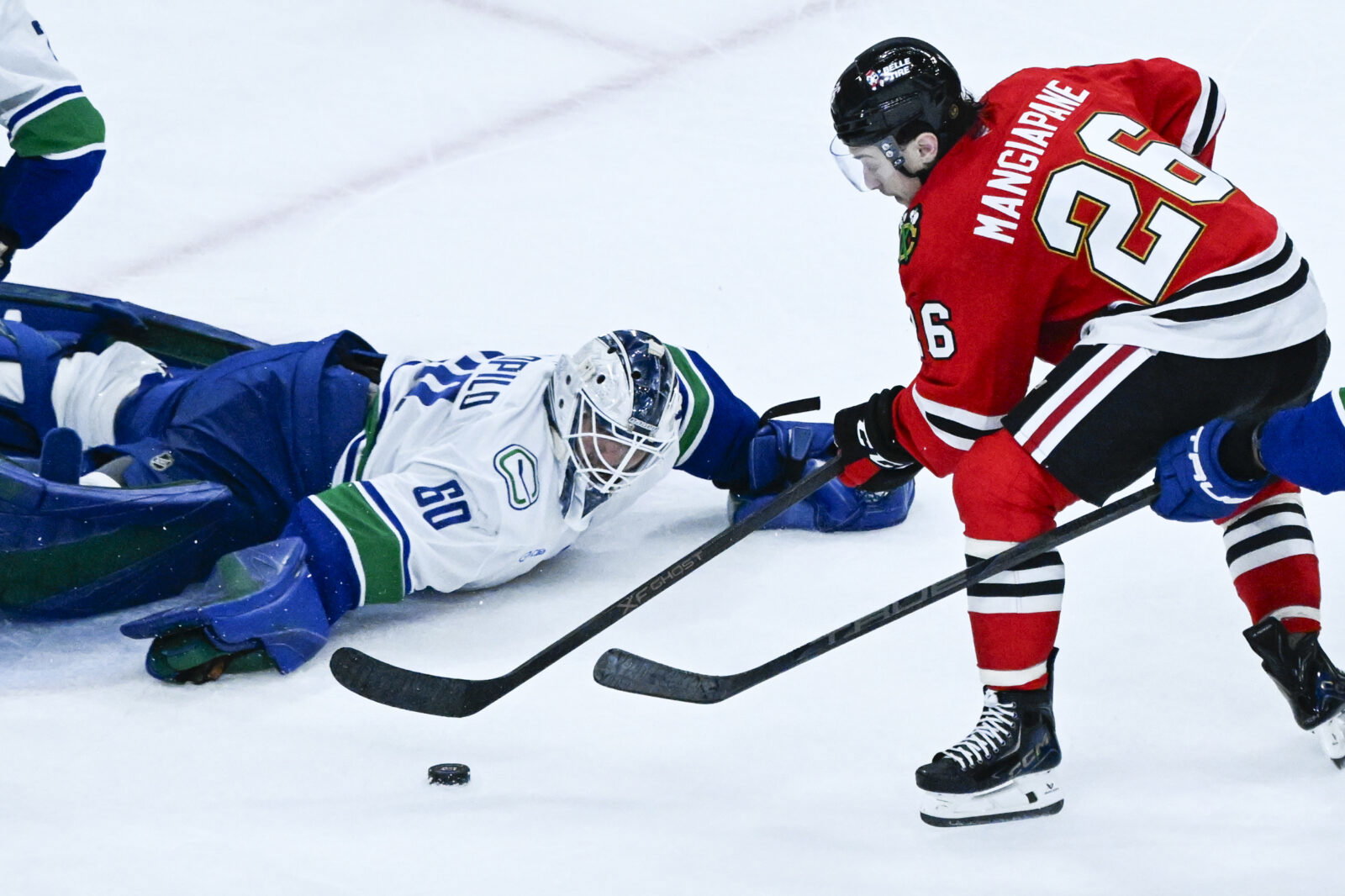
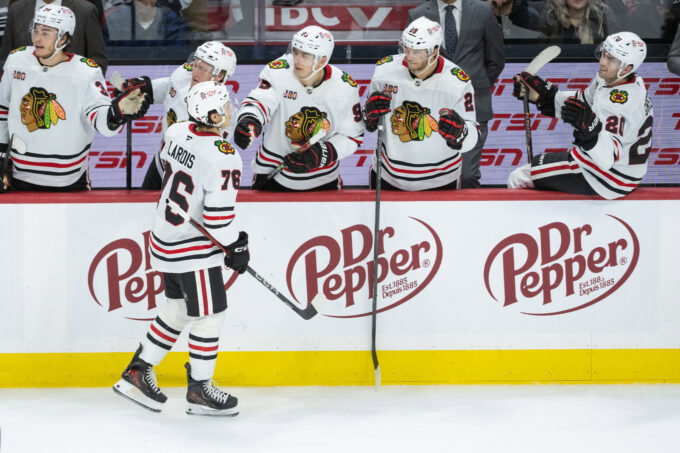
Chicago Blackhawks: Your Actions Must Match Your Words
The Blackhawks have made it clear they are building for the future. Rebuilding is not just a statement, but a process that must show results over time.
There were moments where Chicago’s vision seemed clear, particularly in its commitment to developing young talent. But those moments were often overshadowed by inconsistency and a lack of tangible progress.
Rebuilds require patience, but they also require proof. Effort, structure, and development must be visible on the ice, not just discussed off it.
The lesson for Chicago is accountability. If the organization wants to take the next step, its actions must consistently reflect its long-term goals.
Vancouver Canucks: To Be the Best, You Have To Compete With the Best
The Canucks were often outmatched in a division that demands a high level of play every night.
Against top competition, Vancouver often fell short in key areas: defensive structure, pace, and the ability to sustain pressure. While there were flashes of competitiveness, they were not enough to keep up in a relentless Pacific Division. The gap between the Canucks and true contenders became increasingly clear as the season progressed.
The lesson here is about standards. Competing in the NHL means consistently meeting the level of the league’s best teams. For Vancouver, closing that gap must be the priority.
Conclusion
For these four teams, the offseason is about more than change—it’s about understanding. Each season leaves behind a message. For the teams at the bottom, that message is clear: success in the NHL isn’t given, it’s earned daily through preparation, commitment, and execution. The question now for these last-place NHL teams is whether these shortcomings will be addressed or repeated.













Leave a comment