

Football fans who bet on non GamStop betting sites will typically focus on results, performance and depth, while newcomers often search for clarity on what are non gamban betting sites to understand broader wagering options.
Few think about the rule changes that are quietly buried beneath every match that is played․ Some of the biggest shifts in how football looks today came from adjustments so routine at the time that they barely made the back page․
Non GamStop betting communities often focus on methods of play and betting behavior․ Less considered has been the extent to which the rules bound up those tactics and why some changes rewired the game more thoroughly than even the biggest signing or manager․
Rules That Nobody Remembers Changing
The most iconic moments in the history of football tend to overshadow the decisions that defined them․ The clearest example of this is the 1992 back pass rule․ Goalkeepers prior to this change were allowed to pick up deliberate passes from their defenders․
Those who follow betting non GamStop sites have gotten used to seeing goalkeepers being pressured to play with their feet․ That skill was largely unnecessary before 1992․
That changed as international tournaments became unwatchable․ In total‚ fewer than two goals were scored per match in 1990․ FIFA acted․ Within a few seasons‚ a goalkeeper who could not distribute accurately with their feet became a liability.
Early Changes That Rewrote Player Behavior
The offside law has undergone more changes than most fans realize․ The most important change came in 1925‚ when the number of defenders between the goal and an attacker was changed from three to two․
The total number of goals scored in Football League matches rose from 4,700 in 1924-25 to 6,373 the following season․ Non GamStop betting activity around the English game in that era would have looked very different than today․
The defenders were required to modify their positioning‚ due to this․ Arsenal responded by pulling its center half back‚ effectively inventing the stopper center back that would replace the half back․ One rule change created a positional role which remains common a century later․
Rule Changes That Reshaped Tactics
The system of three points for a win replaced the two points for a win system in English football in 1981․ This was introduced worldwide by FIFA in 1994‚ which is a minor change․ In practice, it fundamentally changed the approach of the managers entering the last third․
The two points for a win scoring system meant that a 1-1 draw twenty minutes from time suited both managers․ The three points for a win meant winning was more desirable than holding on for a draw․
That one number would affect substitution patterns‚ pressing triggers and what happened at the end of games․ Each time fans on non GamStop betting sites analyze late-game trends‚ they’re making decisions based on those from 1981․
Refereeing and Match Management
The yellow and red cards used in the 1970 World Cup were created after Argentina’s quarter-final clash with England in 1966 turned into a diplomatic incident on grass․ FIFA wanted signals that‚ visually‚ could say it to all․ The colors of the traffic lights in London are said to have been designed by the former referee and FIFA official Ken Aston․
Cards changed referees’ attitudes and actions․ Seeing a punishment changed players’ approach to each challenge․ Referees had no public method of discipline beyond verbal warnings․ The physical response to defending dropped off considerably in the 1960s and into the 1970s when the consequences became clearer․
The Rules That Might Appear on This List Next
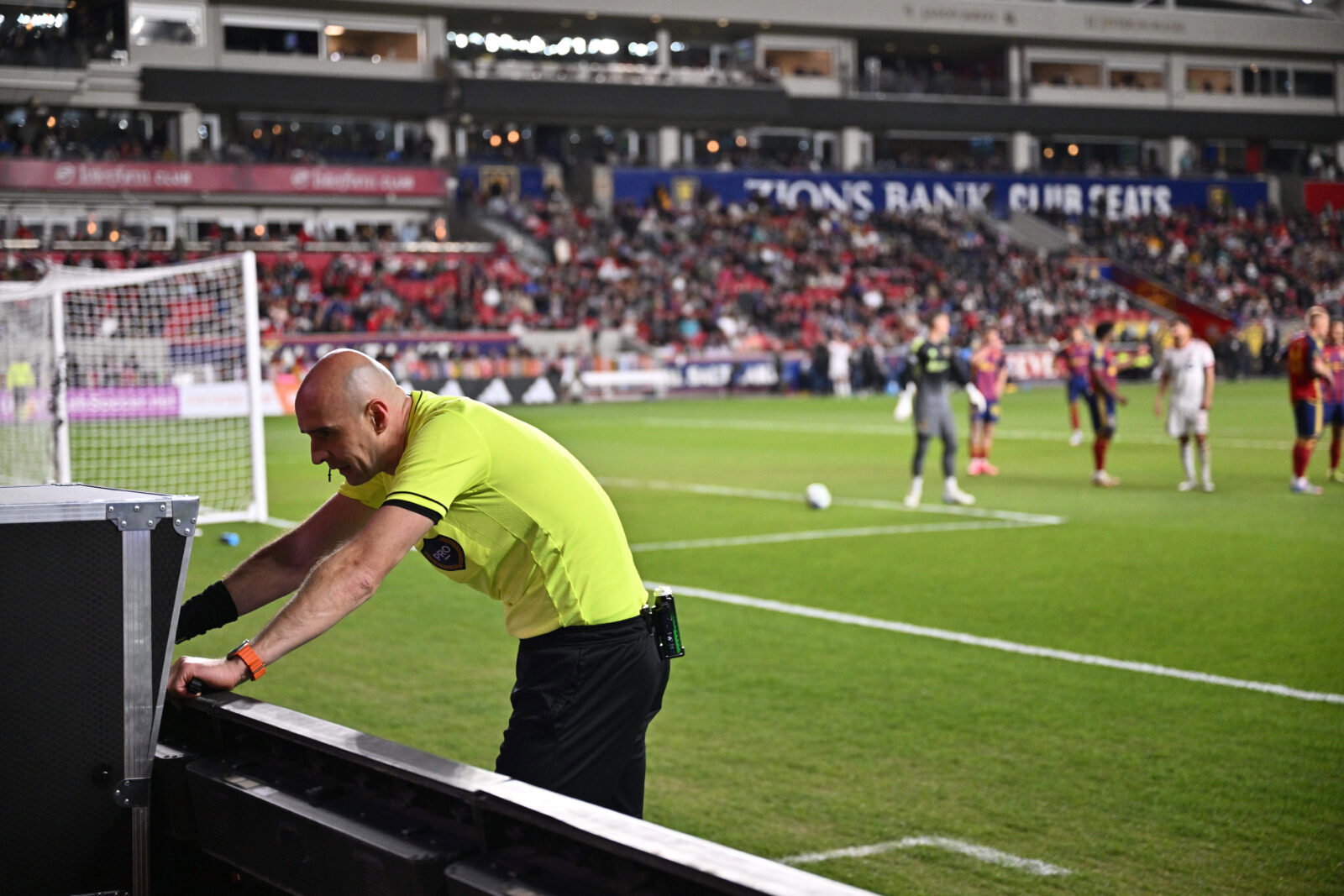
VAR was first introduced into the Premier League in 2019 and‚ to date‚ has been one of the most controversial․ Opinions differ sharply․
What is harder to argue is that it has already changed player behavior․ Shirt pulling in the penalty area has decreased due to Video Assistant Referee scrutiny․ Defenders therefore have adapted to the changed risk․
The non GamStop betting markets surrounding football now have access to information that referees never did․ The ability to review handball to within millimeters fundamentally changes how defenders act in the penalty area․
Penalty conversion rates‚ corner defensive formations‚ foul frequency and non GamStop betting are just a few areas affected by the introduction of VAR․ There is no doubt that future historians will look at 2019 as the same kind of low-key game-changer that we now look back at 1992․












Leave a comment