

Somewhere in Philadelphia this summer, someone in the front office had to sit LeBron James down and explain what a two-year, $8 million deal with a player option actually looked like next to the max money he’d left on the table elsewhere.
He signed it anyway, called it his “last decision,” and walked into a locker room with Jaylen Brown, Tyrese Maxey, VJ Edgecombe, and Joel Embiid waiting for him, the former of that quartet having only just arrived himself.
Elsewhere out East, Giannis Antetokounmpo finally got his wish as he left the Milwaukee Bucks for the Miami Heat after years of tampering rumors and wishful mock trades. Washington, of all teams, won the lottery and cashed it in on AJ Dybantsa, the BYU freshman who dropped 43 in a single night to break the school’s freshman scoring record on his way to 25.5 a game. The Wizards then turned around and gave Trae Young four years and $212 million to keep running the show, pairing him with Anthony Davis, who was brought in back in February. Minnesota, not to be outdone, pried LaMelo Ball loose from Charlotte to run next to Anthony Edwards.
That’s what a good summer looks like. Not everyone had one. These three certainly didn’t.
Cleveland Cavaliers
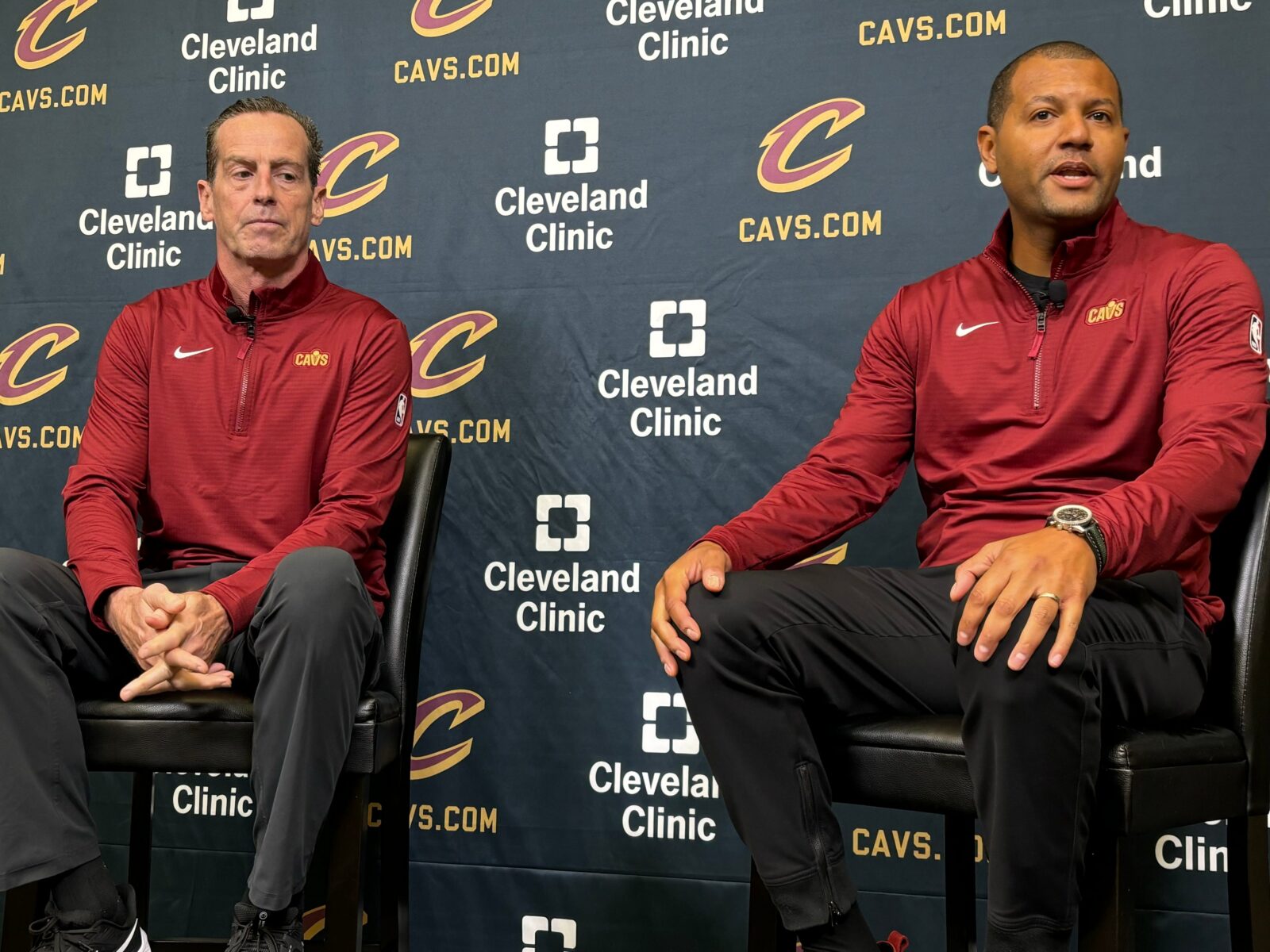
Picture Donovan Mitchell somewhere in July, scrolling his phone, watching the LeBron sweepstakes end with Philadelphia’s name attached instead of Cleveland’s. He knew what that meant before the ink dried — not just for this season, but for the shape of his own next five years in a building that just missed its best shot in a generation. Cleveland went 52-30 last term, took down Toronto and Detroit in a pair of seven-game grinders, and reached the Eastern Conference Finals for the first time since 2018 — the franchise’s first trip there without LeBron since 1992. Then the Knicks swept them 4-0, and the offseason that followed somehow made the sting worse.
Losing LeBron to Philly hurt, especially when the Cavs were the overwhelming betting favorites to bring the King home. The NBA betting at Bovada odds made LBJ an even-money shot to wind up back in Cleveland at the start of July, with the Sixers way out at +1400. But the City of Brotherly Love is indeed the place the GOAT now calls home, and while that still stings, losing Dean Wade and Keon Ellis while everyone waited for LeBron’s decision arguably hurts more.
They were the connective tissue of a defense that had actually worked. Now, Jonathan Kuminga and Mario Hezonja are the answer Cleveland has instead found, and neither one makes anybody forget what walked out the door. Somewhere inside the front office, two trade proposals reportedly sat on the table for weeks — one sending Evan Mobley for Giannis, one sending Mitchell for a package of picks — and Koby Altman closed the laptop on both. Chances are the Cavs could well live to regret those decisions in a newly stacked Eastern Conference next season.
Milwaukee Bucks
There’s a strange kind of grief in trading away a two-time MVP and getting back a return that nobody in the building can rattle off from memory. Milwaukee had been bracing for this since Khris Middleton went out the door last February and Damian Lillard got waived off an Achilles recovery over the summer — the roster had been quietly emptying for a year. Giannis still averaged herculean numbers when on the court, but a December calf strain — his third soft-tissue scare in eighteen months — kept wrecking a season that finished 32-50 and out of the playoffs entirely.
The trade to Miami always felt inevitable. It still landed like a gut punch, especially with mostly role players and picks that won’t mature for years heading in the opposite direction. Ryan Rollins and AJ Green are suddenly the most experienced voices in a locker room that used to have a Greek Freak sitting right in the middle of it. Things will almost certainly get worse before they get better.
Sacramento Kings
Sacramento is closer to rock bottom, a franchise that broke a 16-year playoff drought as recently as 2022-23, now three straight years removed from that 48-win high, sliding toward the bottom of the league while ownership seems unwilling to commit to either contention or a proper rebuild. The 2025-26 season was ugly — 22-60, extending a decline from 48 wins in 2022-23 to 46 the following season to 40 last year. Injuries hit relentlessly. LaVine led the team in scoring, with DeRozan and Sabonis rounding out a veteran trio that looked far more competitive on paper.
Heading into the offseason, Sacramento needed clarity above all else — either commit to “contention” around Sabonis or move on from the expensive veterans and collect real assets. Instead, the summer amounted to almost nothing. The headline move was waiving DeRozan simply to duck the luxury tax, and beyond that, the front office has been unable to find trade partners for the LaVine or Sabonis contracts.
How does a franchise that broke a 16-year playoff drought as recently as 2022-23 end up waiving its leading scorer just to duck the luxury tax? It’s a team that seems to have quietly accepted its rebuilding fate, yet has done almost nothing to actually begin one.









Leave a comment