

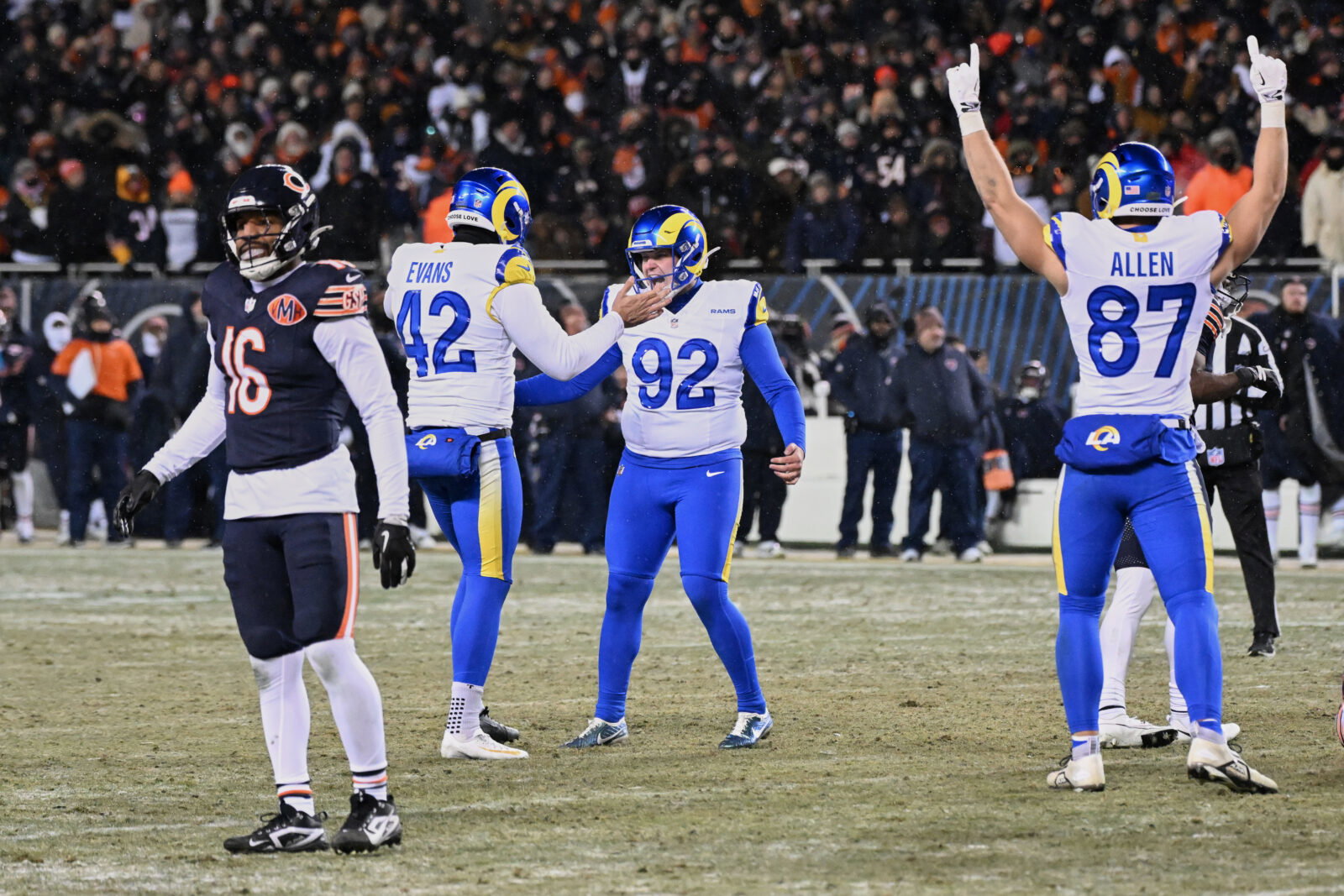
The National Football League has spent years trying to fix overtime.
Rule updates arrive, debates rise, and fans expect clarity.
Yet the same question returns after each close game. Why does it still feel incomplete? The answer sits deeper than one rule tweak. It touches fairness, drama, money, and the way people watch sport today. Overtime in the NFL carries history, but modern viewers demand balance. That tension shapes every decision.
A close game builds emotion across three hours. When overtime begins, fans want a finish that feels earned. If one team never touches the ball, doubt appears. If both teams get a chance, the game can stretch too long. The league stands between two competing ideas. The league must choose between a quick finish or a shared opportunity.
The latest overtime setup still leaves one question unanswered: Does a rule feel fair on paper, or does it feel fair when the game is on the line? In the NFL, those two things do not always match.
The league’s current setup now gives both teams a possession in overtime. Recent updates have moved regular-season overtime closer to postseason rules, but key differences still remain.
How NFL Overtime Rules Evolved Over Time
For decades, NFL overtime relied on sudden death. The first score ended the game. A coin toss carried massive weight.
From 2004-08, teams winning the toss claimed victory 64 percent of the time. That edge raised concern. Coaches adjusted strategy around the toss rather than the full game. Sudden death made every coin toss feel heavier than the game plan. When one drive could end the night, the last chapter often belonged to chance, not the full contest.
Fans also raised a simple concern. A star quarterback could sit on the sideline while the game ended, as Aaron Rodgers did seemingly countless times.
That felt incomplete. The league heard the noise and moved toward a revised system. That old setup gave the coin toss too much power and made the opening play feel bigger than the entire drive that followed. It also turned overtime into a test of luck as much as skill, which is why the criticism never fully faded.
Change Toward Modified Overtime Rules
In 2010, the league introduced a new setup for postseason games. A field goal on the first drive no longer ended the contest. The opposing team gained a chance to respond. If a touchdown arrived, the game still ended. Regular-season games adopted a similar rule soon after.
That adjustment reduced the sharpest edge of the old system, but it did not remove the larger complaint. It only moved the debate from pure luck to incomplete fairness. This change aimed to reduce coin toss advantage. It worked to some extent, and the win rate for the toss team fell below 53 percent. That looked equal on paper, and the feeling of imbalance did not disappear.
But this didn’t change anything in the playoffs. 10 of 11 coin toss winners from 2010-2022 also won the game.
The Playoff Change That Reopened the Debate
In 2025, the NFL aligned regular-season overtime with playoff rules to allow both teams an opportunity in the extra period.
Fans will remember Super Bowl LI in 2017 or the Chiefs-Bills AFC Divisional Round in 2022, both high-scoring battles that ended with the victor scoring a touchdown on the opening drive of overtime.
The other team never touched the ball. Public reaction was strong. Analysts, former players, and fans questioned the format again. Even Chiefs head coach Andy Reid empathized with the Bills.
The NFL responded with a new postseason rule. Each team receives at least one possession in overtime. Even if the first team scores a touchdown, the opponent gets a chance to match or win. On paper, this solved the fairness debate. Yet it also raised a new concern. Game length. Broadcast schedules. Player fatigue. The league had to weigh each factor with care.
Why Overtime Still Feels Unsettled
A balance system often requires more plays. More plays extend the game. The NFL already faces concerns about long broadcasts. Average game time now sits above three hours.
Overtime can push that further. The rulebook can settle the setup, but it cannot settle the feeling. Fans still judge overtime by whether the ending looks earned, not just whether it looks legal. Television partners prefer predictability. Fans at home also face time limits. Work schedules, family plans, and late-night starts shape how long viewers stay. A perfect system for fairness may clash with real-life routines.
Strategy Changes Create New Questions
Coaches now face complex choices. In postseason overtime, a team may choose to receive or defend first. Some prefer to know the target score. Others trust their offense to strike first. These decisions add depth but also confusion. Fans ask why a team chose one option over another. If the result fails, criticism grows. The rule does not just decide outcomes. It shapes the perception of coaching decisions.
Player Safety and Physical Load
Football is a deeply physical sport where every additional drive brings more contact, more sprinting, and more strain on the body, which is why the league has placed increasing emphasis on player safety in recent years.
When games extend, that physical toll does not reset; instead, it builds on fatigue that has already set in, raising the overall risk late in the contest. Any discussion around overtime rules has to account for this reality, because adding guaranteed possessions could stretch the game by several extra series, placing even greater demand on players who are already operating at their physical limits.
The Fan Experience and Emotional Payoff
Modern fans value equality. They want both teams to show what they can do. When one offense ends the game without reply, it leaves a gap in the story. Fans remember the snap that never came back. That missing reply is what keeps the overtime debate alive, even when the numbers look balanced. This feeling does not depend on statistics alone. Even if numbers suggest near balance, the visual of one team idle creates doubt. Emotion often outweighs data.
At the same time, fans enjoy a decisive finish. A long, drawn-out overtime can dilute tension. If both teams trade scores, the game may feel endless. The best endings combine justice with clarity. The NFL still searches for that mix.
How Broadcast and Business Interests Shape Rules
The NFL relies heavily on broadcast deals. Networks schedule games within set windows. Overtime that runs long can disrupt the schedule. Advertising slots depend on timing. A sudden extension may reduce planned breaks or change them into awkward moments. These factors influence rule decisions even if they remain behind the scenes.
The league aims to expand its reach beyond the United States. International viewers often watch at odd hours. A long overtime period may push games into early morning in other regions. Shorter and more predictable endings support global growth. This goal can conflict with a fully balanced overtime system.
Lessons from Other Sports
College football uses a possession-based overtime. Each team starts from a set yard line. This removes the coin toss edge and ensures equal chances. The system creates excitement but can feel detached from normal gameplay. Drives start in scoring range. Defense and field position lose some importance.
Soccer takes a different approach with extra time followed by penalty shootouts if needed. This method balances extended play with a final resolution, though some argue that penalties feel separate from the rhythm of the match. Across all sports, the same core challenge appears. Finding the right balance between fairness and authenticity is never simple.
How Digital Gaming Reflects the Same High-Stakes Tension
NFL overtime still feels unsettled because the last moments of a close game carry the same kind of pressure that keeps people watching until the very end. One play can change everything, and that sudden change in momentum is part of what makes both football and casino entertainment so engaging.
That same feeling appears in casino slots play, where every spin brings a fresh result, and the pace stays fast from start to finish. Players who enjoy this kind of action often look for games with strong themes, simple mechanics, and enough movement to keep the experience exciting, much like a close game that stays undecided until the final moment.
Slot gaming also gives readers a wide range of choices. Some games lean on bold graphics and story-driven features, while others focus on bonus rounds, free spins, and special symbols that add more variety to the play. Titles like The Dog House, Gates of Olympus 1000, Ramses Book, and Coin Win 2: Hold the Spin each bring a different pace and tone, keeping the experience varied while maintaining that same sense of momentum. Before choosing a slot game, players usually think about things like volatility, bonus features, payout style, and how the game feels overall, because each of these details can shape the experience in a different way.
Players often look beyond visuals and features when they want a better understanding of how a game actually performs over time. Reading Lucky Circus slot reviews gives a clearer idea of how different games work and what to expect before choosing one. Reviews are useful because they explain how the games work, what features stand out, and which titles may suit a player’s preferences best.
Why No Solution Feels Perfect
The league is not choosing between right and wrong. It is choosing between competing kinds of imperfection. Every option carries adjustments. A fair system may feel long. A quick system may feel unfair. The NFL must choose which value matters most. Public opinion also changes over time. A rule that works today may face criticism tomorrow. The league operates in a constant cycle of feedback and adjustment.
One dramatic finish can outweigh an entire season of data. That is why overtime debate survives every rule update the league makes. Fans remember dramatic moments more than statistics. A single playoff game can shape opinion for years. Even if the rule works well across a season, one high-profile ending can change the narrative.
This emotional factor keeps the debate alive. It ensures overtime remains a topic of discussion.










Leave a comment