

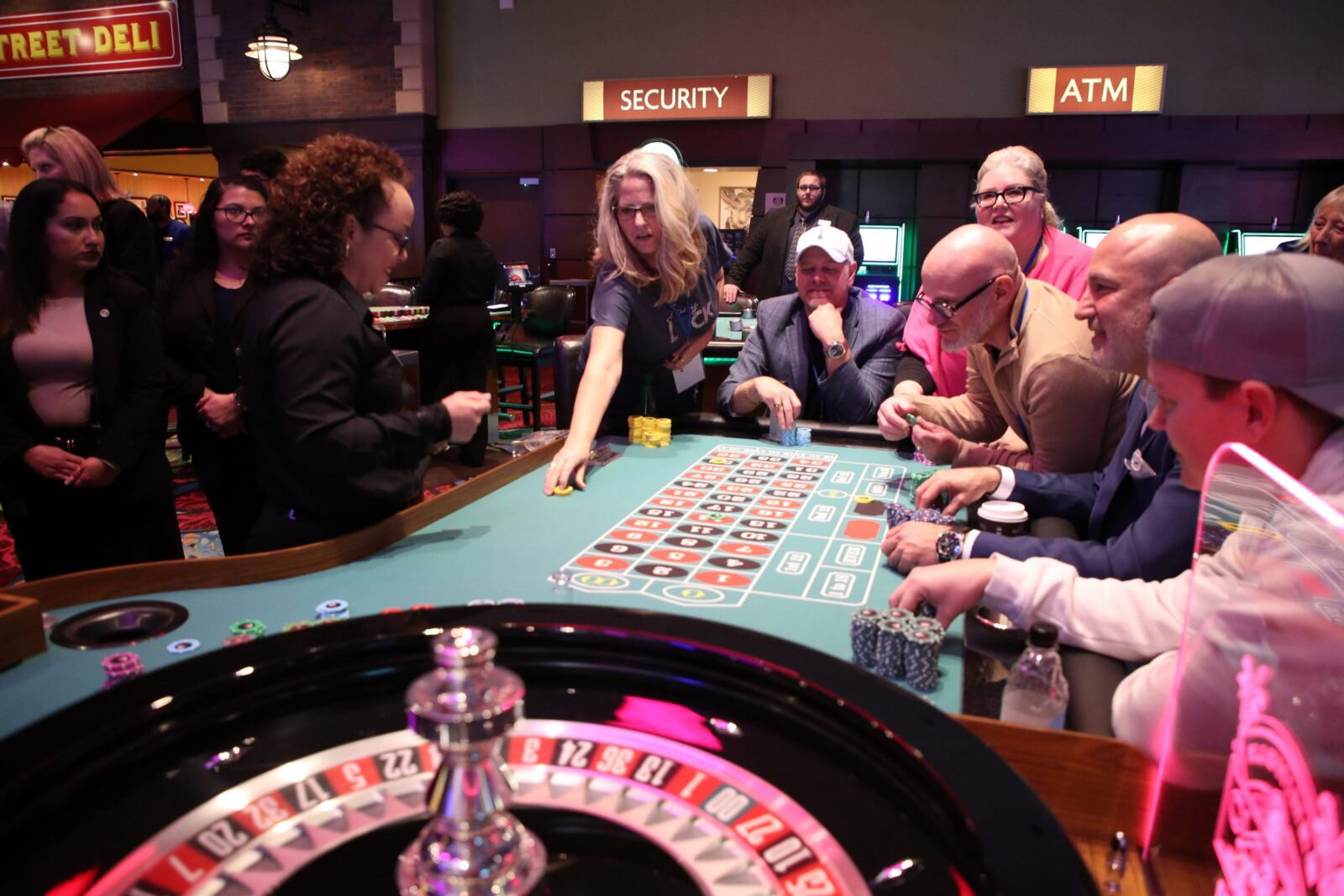
American roulette attracts strategy talk because it gives players just enough choice to feel in control.
Red or black. One number or six. Repeat the last bet or change everything because 23 just landed twice. The table invites decisions, and decisions can feel like skill. The awkward part sits under the wheel: American roulette still has 38 pockets and a house edge of 5.26% on most standard bets.
Strategy can improve how a player manages a session – it can slow losses, reduce panic betting, keep stakes sensible, and stop one bad run from turning into a small financial fire. It cannot change the chance of the ball landing in 00. It cannot make red “due” after five blacks. It cannot turn a 35-to-1 payout into fair odds on a 38-pocket wheel.
The Double Zero Sets the Ground Rules
The American wheel uses numbers 1 to 36, plus 0 and 00. A straight-up bet pays 35 to 1, but it hits only 1 time in 38, or 2.63%. Players checking http://roulette77.us/american-roulette in the middle of their research will see the same basic problem: the payout board looks familiar, but the double zero gives the house one extra pocket to work with. Any useful strategy has to begin there, not with a betting system.
That is why strategy in American roulette needs a realistic job description. According to Roulette 77, players can use structure to choose bet types, control session size, and understand risk, but no standard betting pattern removes the double zero. The strategy can make the session cleaner. The wheel still keeps the advantage.
What Strategy Can Actually Change
A good roulette strategy changes behavior, not probability. That sounds dry, but it matters at the table. Many new players lose more from rushed choices than from the house edge alone. They increase bets after losses, cover too many sections, press re-bet without counting the total stake, or treat recent results like a weather forecast.
| Strategy area | Player can control it? | What it changes | What it cannot change |
| Stake size | Yes | How quickly bankroll rises or falls | The house edge |
| Bet type | Yes | Volatility and hit frequency | Long-term advantage of the wheel |
| Session length | Yes | Total exposure to the edge | Random results |
| Game speed | Yes | Number of bets placed per hour | Probability of each pocket |
| Past results | No | Nothing reliable | Next spin outcome |
| Double zero | No | House edge structure | Cannot be avoided by normal outside bets |
The useful lesson is not glamorous. A player who bets $2 per spin for 50 spins puts $100 into action. A player who bets $10 per spin for 50 spins puts $500 into action. Same wheel, same edge, very different pressure. Strategy starts with that difference.
This also explains why casino strategy advice often sounds less dramatic than players want. Forbes has written about casino games through the lens of statistical edge and longer play, and roulette fits that idea neatly. The longer a player keeps feeding a negative-edge game, the more chances the maths gets to show up.
Betting Systems: Nice Shape, Same Problem
Roulette systems survive because they feel organized. Martingale says double after a loss. D’Alembert says increase by one unit after a loss and decrease after a win. Fibonacci uses a number sequence. Labouchere gives players a little accounting project in the middle of a casino game. All of them create a rhythm. None of them changes the wheel.
Martingale looks strongest on paper because a single win can recover previous losses and add one unit of profit. Then real life arrives. A $5 bet becomes $10, $20, $40, $80, and $160 after five losses. That run does not need to be common to be dangerous. Table limits and bankroll limits break the plan before the maths ever gets nervous.
D’Alembert feels calmer because stakes rise slowly. It can help players avoid wild jumps, but it still assumes that wins and losses will balance in a friendly way. American roulette doesn’t guarantee that balance within one session. The 0 and 00 pockets can interrupt outside bets at exactly the wrong moment.
Fibonacci and Labouchere add more structure, but they also add confusion. A player may feel busy, almost professional, while the total stake quietly grows. That is the trap. A system can make risk look planned even when the underlying bet stays negative.
Bet Choice: Choosing the Kind of Trouble
American roulette offers different forms of trouble. Outside bets hit more often and pay less. Inside bets miss more often and pay more. Strategy can choose the style of session, but not a better long-term deal.
Red/black, odd/even, and high/low cover 18 numbers. They hit 18 times out of 38, or 47.37%. These bets suit players who want frequent results and smaller swings. They still lose to 0 and 00, so calling them “safe” stretches the truth too far.
Dozens and columns cover 12 numbers and pay 2 to 1. They hit 31.58% of the time. They create more movement than even-money bets because two losing spins can erase the profit from one winner. Corners and six-lines offer another middle lane, but the edge remains.
| Strategy style | Typical bets | Session feel | Main risk | Best use |
| Low-volatility | Red/black, odd/even, high/low | More frequent small returns | False “coin toss” feeling | Learning pace and bankroll control |
| Medium coverage | Dozens, columns, corners, six-lines | Mixed wins and misses | Stake creep across several bets | Controlled entertainment |
| High-volatility | Straight-up numbers, splits | Long misses, bigger hits | Chasing after dry runs | Short, budgeted sessions |
| Progressive staking | Bet increases after losses | Feels systematic | Fast bankroll pressure | Best avoided by beginners |
| Flat betting | Same stake each spin | Clear and steady | Can feel slow | Best foundation for beginners |
A Practical Strategy That Does Not Lie
The safest structure for beginners uses flat betting. A player with a $100 session budget might use $2 units and plan for up to 50 spins. That does not guarantee a long session, but it prevents the first few losses from forcing huge decisions. A player who starts with $10 units has only ten base spins before pressure starts shouting.
Before using any strategy, a player should make a small checklist:
- Choose one unit size and keep it steady.
- Decide the maximum number of spins before starting.
- Track total stake per spin, especially with mixed bets.
- Avoid increasing stakes just to recover losses.
- Treat hot and cold numbers as history, not instruction.
Roulette loves improvisation from frustrated players. A planned exit point may feel boring, but it protects the bankroll better than any lucky number.
Strategy Helps Most When It Stops Bad Decisions
The biggest benefit of roulette strategy comes from preventing emotional mistakes. It stops the player from doubling after losses. It stops half-planned coverage across too many sections. It stops the “just one more spin” habit from running the session into the ground.
Strategy cannot make American roulette favorable, but it surely can make the player less careless. That difference may sound small, but it matters. A player who loses within a planned budget has played a controlled session. A player who chases losses has handed the wheel extra money and called it determination.









Leave a comment