

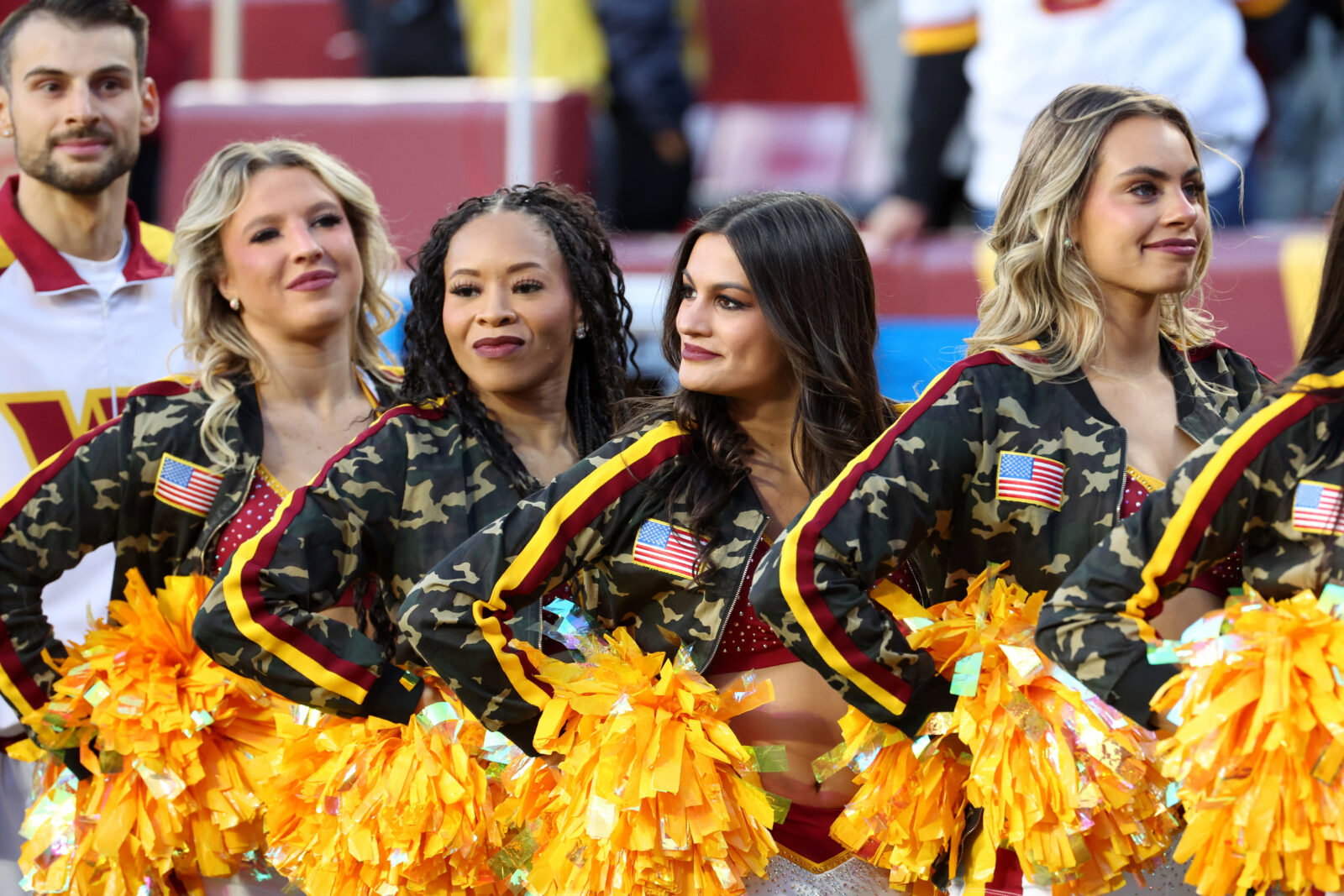
NFL fans see cheerleaders on the sidelines every Sunday, and many picture chants and pom-poms when they hear the word. Step inside a competition arena, however, and the reality is impossible to dismiss — athletes sprint through tumbling passes, launch teammates into the air, execute demanding stunts, and land synchronized jumps, all within a fast-paced routine where every movement affects the score. Competitive cheerleading is not simply entertainment alongside another game; it is a rigorous sport in its own right.
The Athletic Demands
The physical demands are extraordinary. Bases and back spots need considerable upper-body, lower-body, and core strength to lift, stabilize, and catch flyers. Flyers must combine flexibility with exceptional balance and body control while performing Cirque du Soleil-esque moves high above the floor. Tumblers generate explosive power for back handsprings, layouts, and twisting skills, then absorb the force of each landing. Every athlete needs excellent endurance to stay powerful, sharp, and expressive from the opening count to the final pose.
Technical skill takes years of training to master, and cheerleaders don’t master advanced movements by relying on enthusiasm alone. Skills are developed progressively through conditioning, drills, repetition, coaching, and careful attention to safety. Even seemingly simple elements require exacting precision. A slight error in grip, timing, posture, or foot placement can disrupt a stunt or lower a team’s score. Like football or gymnastics coaches, cheer coaches emphasize conditioning, controlled landings, clean technique, choreography, and teamwork — qualities familiar to athletes in any high-pressure, organized sport.
Teamwork and Scoring
Teamwork may be competitive cheerleading’s strongest argument for greater respect. In many other sports, one exceptional player can occasionally rescue a play gone wrong; not so in cheerleading. Success depends on the entire group moving with near-perfect synchronization. Bases must trust flyers, flyers must trust their catchers, and every athlete must stay on the same counts. A single missed cue can derail the whole routine and create a real safety risk. The communication and shared responsibility required are comparable to those of an NFL defensive unit or a relay team.
Competitive cheerleading also has the structure expected of a legitimate sport. Teams hold tryouts, follow training programs, learn choreographed routines, and compete before judges using specific criteria. Performances are evaluated for factors such as difficulty, execution, synchronization, creativity, and deductions. That structure has earned formal recognition: in 2021, the International Olympic Committee granted full recognition to the International Cheer Union, the sport’s global governing body. Closer to home, all three NCAA divisions voted in January 2026 to make STUNT, a cheer-based team sport, an official championship sport, with the first national championship projected for spring 2027.
Athletes prepare for specific events and divisions, while coaches study scoring standards and refine routines down to the smallest detail. Even details like music, footwear, and coordinated dance team uniform packages help build a polished team identity, but presentation never substitutes for strength, precision, and control.
Pressure on the Mat
The pressure is real. Athletes have only a brief window to deliver months of preparation, often in front of huge, roaring crowds. There are no timeouts to correct a missed count and few opportunities to recover from a major mistake. Performing difficult skills under those conditions requires intense concentration, confidence, and composure.
Competitive cheerleading deserves recognition because it meets the standards sports fans already value: strength, endurance, disciplined training, teamwork, strategy, and high-stakes competition. Cheer athletes aren’t just supporting someone else’s game. They’re the competition worth watching. Judge cheerleading by the same standards applied to any other sport, and its legitimacy is hard to deny.
AUTHOR BIO: Jennifer Hazlewood Cronin is Vice President of Cheerleading Company, Inc., a Dallas-based manufacturer and retailer of custom cheerleading and dance uniforms, apparel, and accessories. With more than 26 years of tenure, Cronin oversees all facets of the company with a customer-centric approach.










Leave a comment