

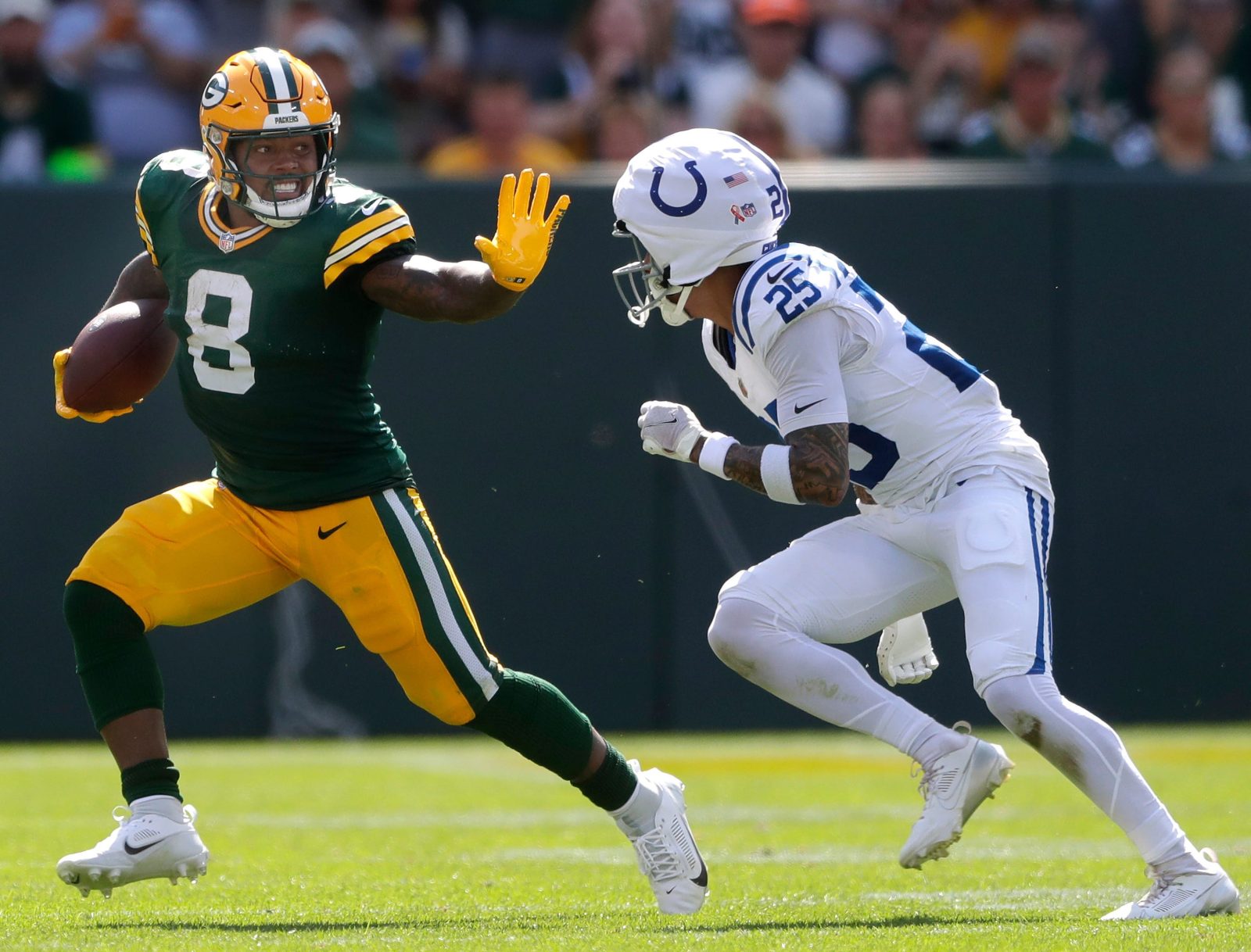
Interest in sports has been a universal experience that transcends cultures and generations.
From teamwork to dedication, core values are found in sports. Moreover, it also creates an avenue for fostering belonging and connection.
Many are interested in sports to the point that a lot of fans dedicate countless hours watching their favorite team’s games, analyzing stats, and even participating in fantasy sports.
While some participate in fantasy sports for fun, others do so for its analytical side, where they can challenge other sports fans or test their skills in assembling a team. This competitive aspect adds another layer of excitement, as players immerse themselves in stats and player performances.
So how do fantasy sports shape the fan experience?
Getting To Know Fantasy Sports
In this digital age, sports fans are expected to engage with the digital side of their interests.
For example, if a participant of fantasy sports is inclined to American football, then one would imagine that their fantasy team would comprise the best football players in the league. While fantasy sports were initially considered as a mere game of skill played among like-minded individuals, it later evolved into a more competitive type of game where players are more focused on ensuring they get the players with the best statistical performance in actual games.
As fantasy sports gain an increasingly significant role in a sports fan’s experience, the community dedicated to them has also been rapidly growing. From approximately three million players in the early 1990s to thirty-two million players in 2011, participation in fantasy sports has reached an all-time high.
https://twitter.com/NFL_Convo/status/1956000546579505213
The attention boom to fantasy sports can be likened to the way sports betting is also becoming popular. The more attention it gains, the more platforms offer such types of gaming to cater to the demand.
While, at first glance, this works to the advantage of gamers, it actually makes it difficult for them to choose, with some resorting to reviewing sites. Just as casino players turn to reliable review sites to read a trustworthy SkyCrown casino review or other evaluations of online platforms, fantasy sports enthusiasts can do the same for their games. They can explore dedicated websites that provide detailed analyses and rankings of fantasy sports platforms that offer the best tournaments and deals for an excellent gaming experience.
Intersection of Fantasy Sports and Traditional Sports
Participation in fantasy sports has evolved into a vital component of being a sports fan. Fueled by televised sports and the Internet, fantasy sports are flourishing.
Through fantasy sports, sports enthusiasts enjoy a unique experience that differs significantly from the traditional sport consumption experience. Before fantasy sports existed, sports betting allowed fans to feel like part of the action. However, unlike fantasy sports, sports betting is merely reliant on the chance that the player and the team you are rooting for will play well based on forecasts and predictions.
Fantasy sports, on the other hand, is considered a game of skill where players assemble their own team based on real-life performances.
Moreover, while sports betting most often involves spending a certain amount of money to place a bet, fantasy sports may or may not involve money. As such, local governments cannot fully consider the activity as gambling. Instead of fantasy sport platforms deriving income directly from their gamers, they instead gain it through secondary revenue streams such as advertising and sponsorship.
Data, Data and More Data
The most interesting aspect of fantasy sports is the amount of data it actually involves. From vast amounts of statistics, analytics, and real-time tracking, data is at the heart of the game as it facilitates the drafting and managing component of the game.
Fantasy sports leverage data in ways that traditional sports have only recently begun to explore. The growth of analytics in professional sports has led to a paradigm shift where sports teams now incorporate data analysis to improve their performance on and off the field. Now that both professional sports and games related to sports are increasingly using data, these two different domains are becoming increasingly similar to each other to the point that it becomes difficult to distinguish one from the other.
Now that both traditional sports and games related to sports have been categorized as competitive, the line between athletes and gamers is becoming increasingly blurred.
This convergence made it seem as if the gamer had technically become the athlete.












Leave a comment