

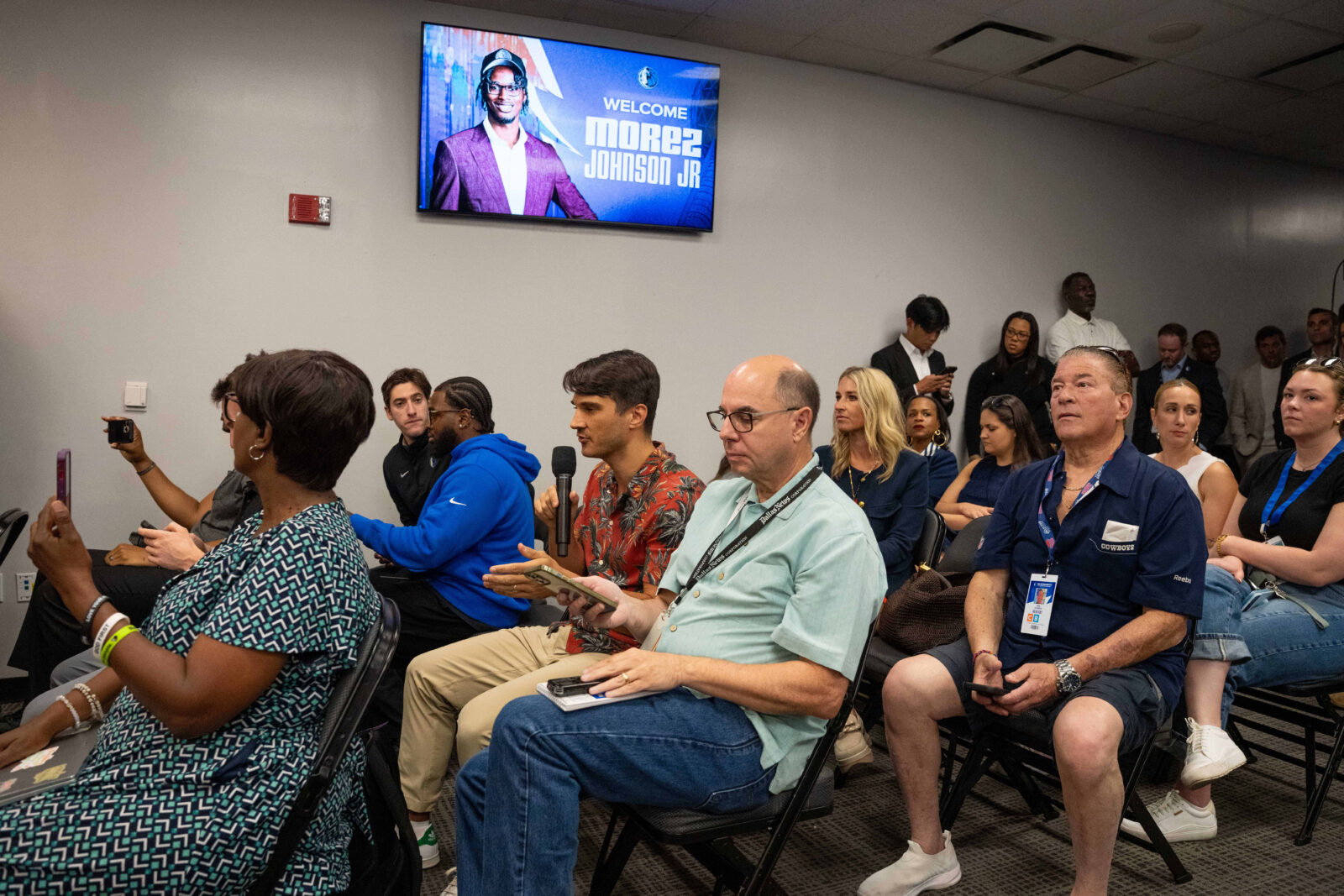
A box score is no longer the end product of basketball coverage.
During the NBA Draft, the playoffs, a major trade or a nationally televised matchup, it becomes the first entry point into a wider commercial journey. Fans arrive looking for a score, injury update, rotation change, prospect profile, or explanation of why a line moved. A publisher that understands the intent behind each visit can turn a brief traffic surge into advertising revenue, subscriptions, sponsorship value, and qualified affiliate conversions without making the newsroom sound like a sales desk.
Basketball Traffic Arrives in Waves
Basketball audiences do not move at a steady pace. Intrigue peaks on draft night, the trade deadline, playoff elimination games, free-agency decisions, injury announcements, and late-game controversy. A routine recap may fade quickly, while a trade analysis or prospect breakdown can attract readers for days.
This creates two opportunities. The first is volume: more page views produce more ad impressions and video starts. The second is intent. Someone checking a final score is less commercially valuable than a reader comparing championship odds, confirming a player’s availability, or studying how a matchup changes after a lineup announcement.
The job is not simply to publish more during a spike. It is to route each reader toward the next relevant piece of content.
The Box Score Becomes a Content Map
Strong game-day coverage starts with the facts and builds from there. A live score page might become a tactical recap, player grades, injury context, prop-market movement, a podcast clip, or a preview of the next game. One event can support several formats, each aimed at a different level of fan interest.
Timing matters. Release a preview too soon, and confirmed lineup information may not be available. Wait too long to publish the recap, and it will face crowded search results after fans have already shifted to social media. The most effective workflow gives distinct roles to pregame, live, immediate postgame and next-morning content.
High-traffic pages can run standard ads. More detailed analysis, by contrast, may be better suited to newsletter registrations, subscriptions, sponsored data features, or carefully chosen commercial links. What matters is aligning the offer with where the reader is in the process.
Draft Night Keeps Paying After the Picks
The NBA Draft demonstrates how a single night can generate coverage for weeks. Search traffic builds around prospect rankings before the event, and mock drafts give readers a reason to return. Once the selections begin, team-fit analysis takes over; trade grades, rookie projections, and Summer League previews keep the story going afterward.
Publishers can offer sponsors this kind of coverage without compromising their editorial product. A branded draft tracker, a sponsored newsletter edition, or a video series could give an advertiser visibility while the newsroom retains control of player evaluations. Commercial support might pay for the format, but it should not determine whether a pick earns an A or a D.
Trade coverage tends to follow a similar pattern. A reader might arrive for breaking news and then turn to salary-cap analysis, depth-chart changes, or updated playoff expectations. Every relevant page they visit afterward creates another monetizable impression.
Affiliate Revenue Depends on Audience Fit
Affiliate monetization works only when the commercial product fits the audience, jurisdiction, and article context. A basketball creator with a large following in one country may need a different offer from a stats site drawing readers across several regulated markets. Traffic source, age profile, device mix, GEO, and user intent all affect whether a campaign can convert and whether it should run.
This is where specialist teams can sit between media owners and multiple affiliate programs. A publisher working with BetoHolic can have its traffic assessed by source, region, volume and quality before a commercial model is selected. That may mean an event-specific tracking link, a promo code in a video description, or an arrangement based on CPA, revenue share, or a hybrid structure. The benefit is not more links; it is avoiding a poor match between a valuable basketball audience and an irrelevant offer.
Editorial teams still need firm boundaries. Affiliate terms should never influence picks, injury reporting, player criticism, or the interpretation of betting markets. Readers should understand when a link is commercial, and campaigns should be limited to eligible adults in markets where the product is permitted.
Live Games Reward Speed, Not Noise
A close playoff game can produce dozens of possible updates, but publishing every possession rarely creates useful coverage. The better approach is to identify moments that change the story: a star entering foul trouble, a defensive scheme forcing turnovers, a late scratch, an overtime shift, or a coaching adjustment that changes shot quality.
Those moments create fresh questions. Fans may want updated analysis, a live blog, a short-form video, or context for moving odds. Yet speed without verification damages trust. A false injury report may generate clicks for ten minutes and weaken the publication for months.
Live coverage should separate confirmed information from observation. Writers can explain what changed on the court while waiting for official medical or lineup updates. That discipline protects editorial credibility and commercial performance.
Measurement Goes Beyond Page Views
Page views show reach, but they do not explain which basketball content produces durable value. Publishers should also track engaged time, pages per session, newsletter registrations, returning users, video completion, outbound clicks, and conversion quality by article type.
A viral trade rumor may create a large but shallow audience. A detailed playoff matchup guide may attract fewer readers yet deliver stronger subscriptions or affiliate performance because those visitors are actively researching a decision.
Attribution also needs event-level tagging. Draft traffic should not be measured in the same bucket as regular-season recaps, evergreen player profiles, or live betting analysis. When publishers know which formats attract qualified readers, they can plan staffing, sponsorship packages, and distribution before the next spike arrives.
Basketball media earns more when it treats attention as a sequence rather than a single click. The score brings the reader in; context, timing, trust, and a relevant next step determine what that visit is worth.











Leave a comment