

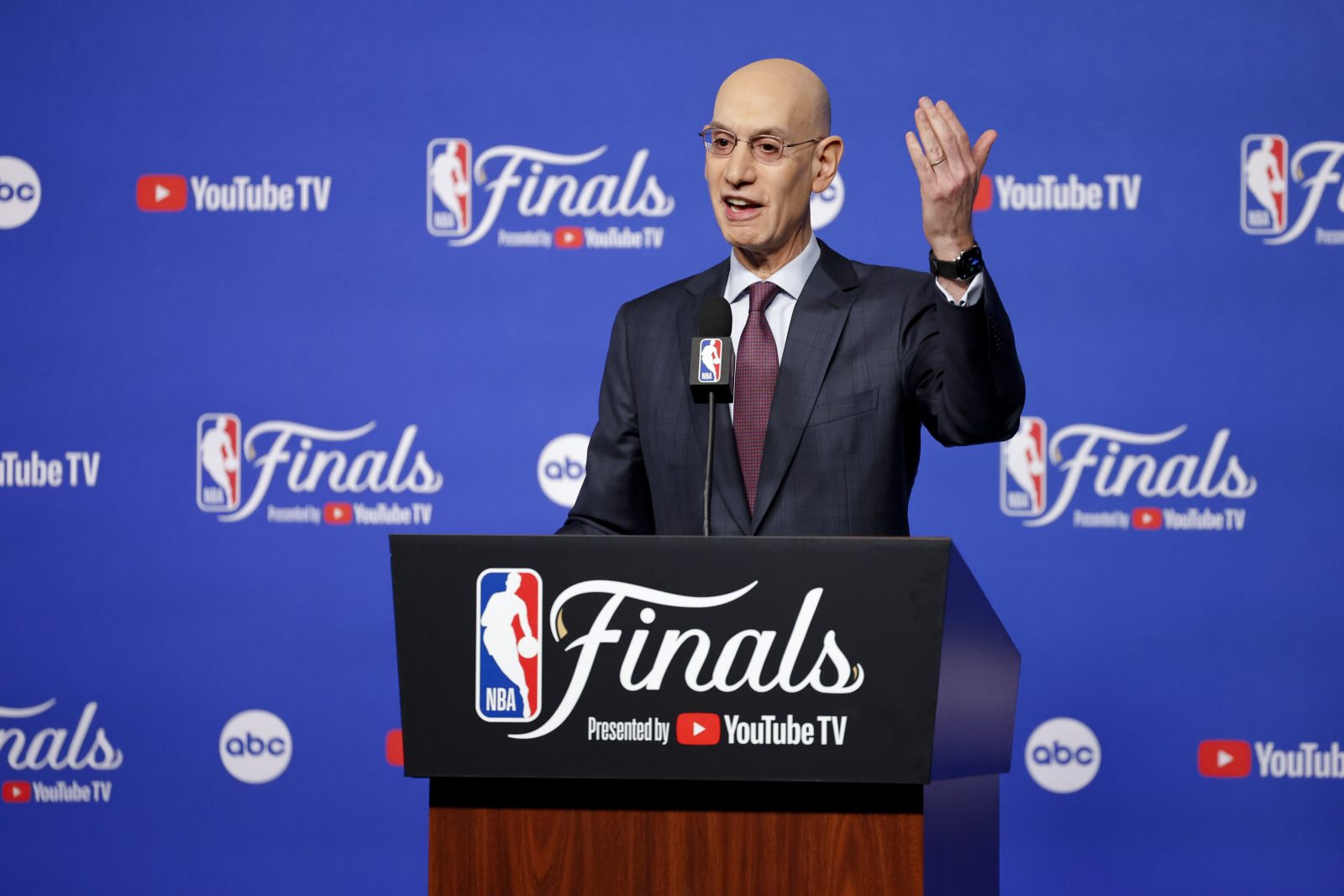
Basketball has grown far beyond the boundaries of a simple game— it’s now an empire of entertainment, culture, and commerce.
The NBA didn’t become a financial powerhouse overnight— it evolved through years of creativity, strategic growth, and the star power of its athletes. What began as a small sports organization turned into one of the most successful and recognized brands in the world.
The History of NBA Growth: From Struggle to Stardom
Back in its early years, the NBA wasn’t the global powerhouse it is today. Franchises came and went, arenas were half-empty, and TV stations rarely cared to show the games. Baseball ruled the summers, football owned the weekends, and basketball was fighting just to stay relevant.
Things took a sharp turn by the late ’70s and early ’80s. Two fresh faces — Magic Johnson and Larry Bird — gave the league the spark it desperately needed. Their battles between the Lakers and Celtics turned casual spectators into passionate followers, reviving excitement nationwide.
And then came Michael Jordan, the player who turned the NBA into a worldwide brand. His athleticism, drive, and charisma connected with fans everywhere, from Chicago to Tokyo. By the 1990s, the league had mastered the art of storytelling and personality-driven marketing. It wasn’t just about basketball anymore— it was about culture, identity, and global influence.
The NBA’s Influence on Lifestyle and Gaming
The NBA’s impact stretches far beyond the basketball court.
Its global popularity has inspired collaborations in fashion, music, and even online gaming platforms like Richardcasino, where the competitive spirit of sports meets digital entertainment. Just as fans love the excitement of a close game, casino enthusiasts enjoy the same rush of anticipation and reward. Both industries thrive on engagement, community, and unforgettable experiences. This crossover shows how the NBA’s cultural influence extends into unexpected areas, shaping trends and redefining modern entertainment.
NBA Global Expansion
The NBA realized early that basketball could be a global game. That’s where the NBA global expansion strategy came in. The league began hosting exhibition games overseas and recruiting talent from across the world.
Stars like Dirk Nowitzki, Yao Ming, and Manu Ginóbili opened doors to international audiences. Yao’s success in Houston, for example, created millions of new fans in China almost overnight. The league also launched NBA Global Games and academies in Africa, Asia, and Europe to grow talent locally.
Today, over 25% of NBA players were born outside the United States. Fans in countries like Spain, the Philippines, and Nigeria watch games live, buy jerseys, and follow their favorite stars on social media. That international reach has turned the NBA into one of the most recognized sports brands in the world.
https://twitter.com/NBAPR/status/1980634979886371257
The Power of NBA Marketing Strategy
If there’s one thing the NBA has mastered better than any other league, it’s storytelling.
It doesn’t just advertise basketball—it builds a whole world around it. The league sells attitude, confidence, and a lifestyle that feels global. Long before social media became a business tool, the NBA understood how to make every dunk, rivalry, and post-game outfit feel like part of a bigger story.
- Dominating Social Platforms: The league’s content doesn’t look like marketing— it looks like entertainment. Short clips, memes, and highlights keep fans scrolling.
- Cultural Collaborations: From fashion icons to musicians, the NBA works with people who shape modern culture, not just athletes.
- Freedom and Personality: Players aren’t robots in uniforms— they’re personalities, brands, and voices that fans relate to.
- Emotional Hooks: Every season gives fans underdogs, heroes, and villains. It’s not just a sport— it’s an ongoing drama.
Basketball has transcended the court, now influencing sneaker releases, hip-hop lyrics, and global street style. That mix of sport and self-expression turned the NBA into something that feels alive 24/7. It’s part of youth culture, fashion, and digital entertainment, and that’s exactly why the league stays relevant in a changing world.
Just look at how NBC debuted its return earlier this month.
https://twitter.com/NBAonNBC/status/1980725684306637028
Innovation and Technology: The Digital Era of Basketball
The NBA has always embraced change. From instant replays to virtual reality, the league stays ahead of the curve. Technology now drives fan engagement like never before.
Streaming services, real-time statistics, and augmented reality experiences bring fans closer to the action— even as YouTube TV remains in a money battle with Disney.
Nonetheless, the league’s digital platforms reach hundreds of millions globally. The NBA app, for instance, allows fans to watch games, highlights, and behind-the-scenes footage all in one place.
This focus on innovation isn’t just for show— it’s part of the NBA’s business model. Digital expansion keeps younger fans engaged while creating new revenue streams. In an era where attention is currency, the NBA knows how to stay valuable.
The NBA’s brand-new TV deal alone landed them $76 billion over the next decade.
NBA Legends Who Built the Brand
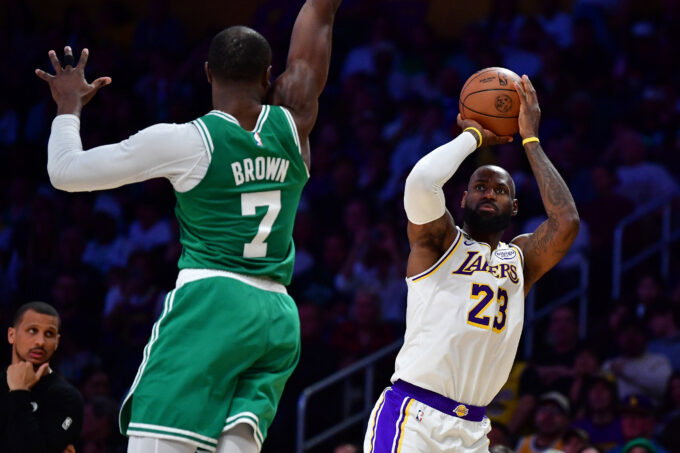
The league’s success wouldn’t exist without the players who made basketball unforgettable. From Magic and Bird’s rivalry to Jordan’s dominance and Kobe’s obsession, each era brought something new. Then came LeBron James, who combined athletic excellence with business savvy, setting new standards for athlete influence.
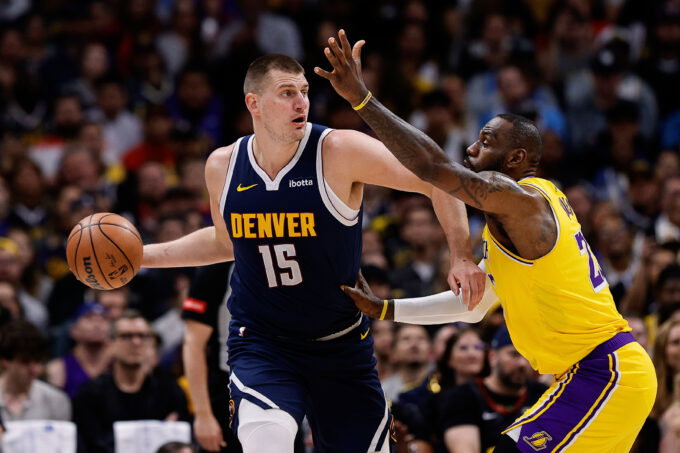
Let’s not forget international stars like Giannis Antetokounmpo, Luka Dončić and Nikola Jokić, who represent the NBA’s global future. These players prove that basketball isn’t just an American game— it’s a worldwide spectacle. Their stories connect generations and keep fans emotionally invested.
Why the NBA’s Empire Keeps Growing
The NBA continues to thrive because it never stands still. It evolves with culture, adapts to markets, and embraces innovation. The league listens to its audience, utilizes data to shape experiences, and treats players as partners rather than employees.
At its core, the NBA sells emotion— the joy of a buzzer-beater, the heartbreak of a loss, the loyalty of a lifelong fan. That emotional connection is what makes it untouchable. Other sports may have bigger fields or more players, but none match the NBA’s blend of drama, accessibility, and global reach.
Final Thoughts
From humble beginnings to billion-dollar success, the NBA has mastered the art of reinvention. Through smart leadership, global outreach, and powerful storytelling, it became much more than a sports league – it became a cultural empire.
The NBA’s story proves one thing: success isn’t just about competition on the court— it’s about vision off it. Whether through the NBA business model, global expansion, or marketing innovation, the league shows how entertainment and strategy can create something truly timeless.











Leave a comment