

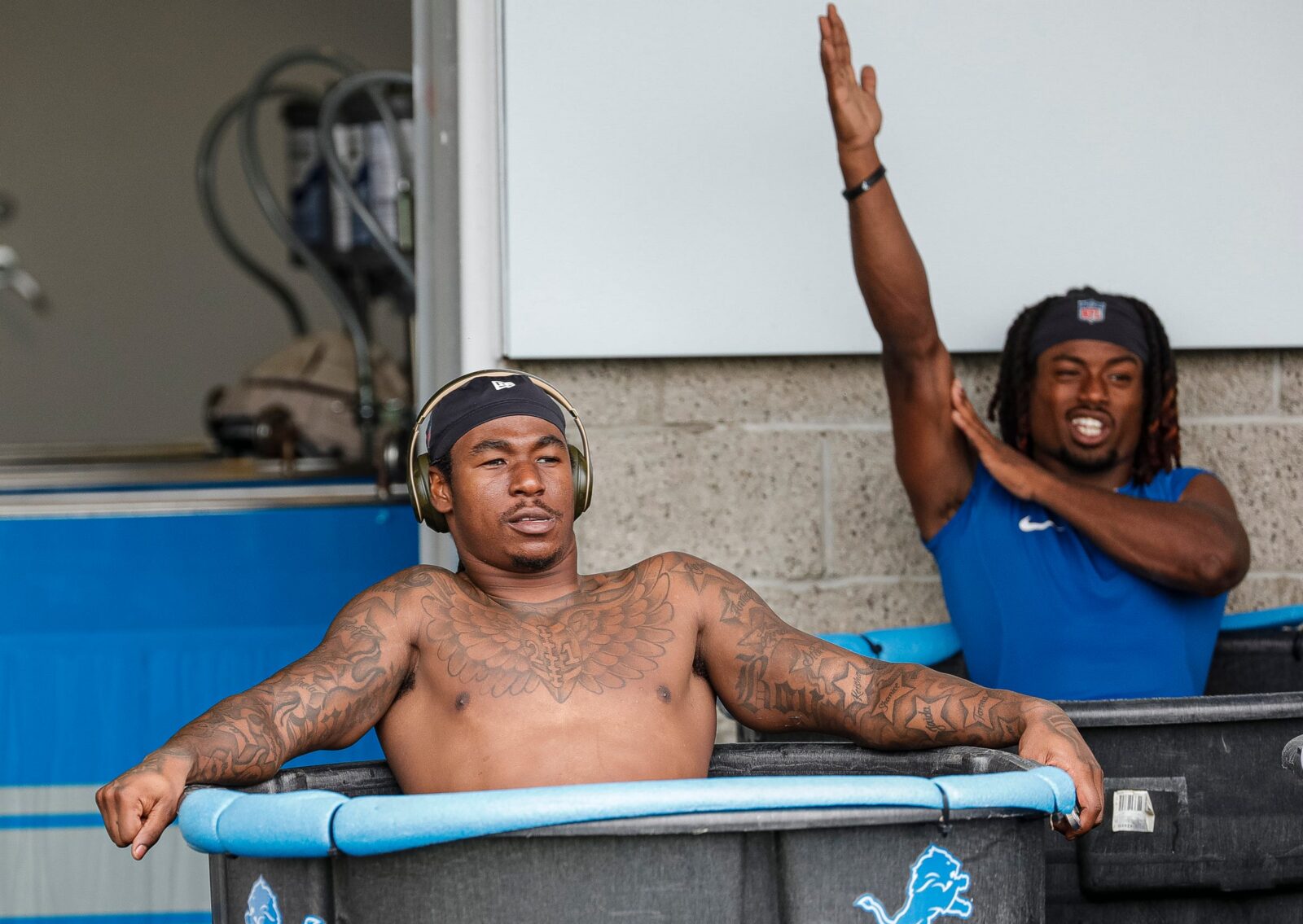
If you follow any NBA superstar or NFL pro on social media, you have definitely seen the photo: a muscular, heavily conditioned athlete sitting deep inside a cold therapy tub, making a face that mixes pure agony with elite focus.
To the casual fan scrolling through TikTok on a Sunday night, it looks like a modern lifestyle stunt— just another aesthetic ritual designed for vanity likes.
But talk to any veteran head athletic trainer in North America, and they will tell you the cold truth: elite competitors do not freeze their bodies for social media clout. They do it to protect their multi-million-dollar contracts from the brutal realities of modern athletic wear and tear.
In fact, long before smartphones existed, professional sports teams were already forcing their players into freezing water. The only difference was the infrastructure. In the 1970s and 1980s, the pinnacle of athletic recovery technology wasn’t a high-end luxury system— it was an unglamorous, heavy-duty commercial stock tank.
The Unfashionable Era of Improvised Cold Tubs
The logic behind utilizing these industrial utility bins was purely practical: they were cheap and large enough to submerge a 300-pound NFL lineman or a seven-foot NBA center.
Despite the clear benefits, the old-school approach had massive operational flaws:
- The Hygiene Hazard: Stagnant water in a shared team environment created serious cross-contamination and bacterial risks.
- The Brand Clash: Asking a franchise player to sit in a basic piece of unregulated storage equipment looked unprofessional to ownership and the media.
- The Data Blindspot: Training staff had zero ability to track, analyze or optimize individual recovery metrics.
The Sports Science Intervention
The era of guessing water temperatures ended when peer-reviewed sports science replaced locker room guesswork. A defining 2012 study published in Sports Medicine analyzed decades of cold-water immersion data and identified that optimal recovery benefits occur within a strict temperature window: 50°F to 59°F (10°C to 15°C).
This finding exposed why the traditional manual method was fundamentally broken. Without automated regulation, manual ice baths could drop to 38°F (triggering intense vasoconstriction, limiting the blood circulation needed for tissue repair) or warm to above 62°F (rendering the session useless against acute inflammation).
Furthermore, researchers proved that the ideal duration is capped at 10 to 15 minutes and that frequency matters far more than extreme cold intensity.
The Engineered Solution: High-Power Chillers
Today’s locker rooms rely on high-performance chiller systems — typically featuring a 1HP cold plunge chiller or larger — paired with heavy-duty, highly durable tubs.
Unlike old-school setups that lose their chill after a couple of warm bodies jump in, a 1HP chiller can pull down 100+ gallons of water to the exact target temperature in under six hours and keep it there within a ±1℉ margin during an entire team’s post-game rotation.
| Performance Metric | Old-School Tanks | Modern Chiller Infrastructure |
| Thermal Stability | Drops 5-10°F per athlete | Holds constant (±1℉ accuracy) |
| Sanitation Cycle | Manual dumping required | Continuous filtration & ozone purification |
| Preparation Labor | 2 hours of manual hauling | 24/7 Automated readiness |
| Annual Maintenance | High recurring ice costs ($15k+) | Minimal electrical overhead ($500-$1k) |
The same temperature precision that protects starting lineups in stadiums has trickled down to residential hardware. Brands like PlungeChill are bridging this gap, offering a dedicated portable cold plunge tub equipped with compact, high-efficiency chillers engineered specifically for garages and backyards. These residential units maintain the research-backed 50-55°F environment on a standard electrical outlet, allowing serious fitness enthusiasts to replicate professional-grade anti-inflammatory protocols without leaving the house.
Ultimately, the evolution of the locker room proves a fundamental rule of sports science: you cannot optimize what you do not control. The modern ice bath isn’t a social media prop or a cosmetic trend. It is a highly calibrated piece of performance infrastructure designed to do one simple thing right every single time: bring down inflammation so an athlete can show up and perform again tomorrow.
Athlete & Coach FAQ
Q: Do pro athletes just do ice baths for social media exposure?
A: No. While a snapshot makes great content for a brand, the real value is purely financial and physical. At the professional level, a 1% improvement in joint recovery translates directly into fewer missed games, consistent point production, and longer athletic careers.
Q: Can a small-budget program still get results using basic, manual soaking tubs?
A: Yes, if they prioritize the underlying science. If you have to use a manual setup, invest in a reliable floating thermometer, clean the bins thoroughly between uses to prevent skin infections, and aim strictly for the 50–55°F range rather than making the water excessively cold.
Q: What is the true return on investment for a dedicated chiller system?
A: For schools and clubs, a chiller typically pays for itself within twelve months by eliminating the cost of commercial ice and saving hundreds of hours of manual labor for the coaching and training staff.













Leave a comment