

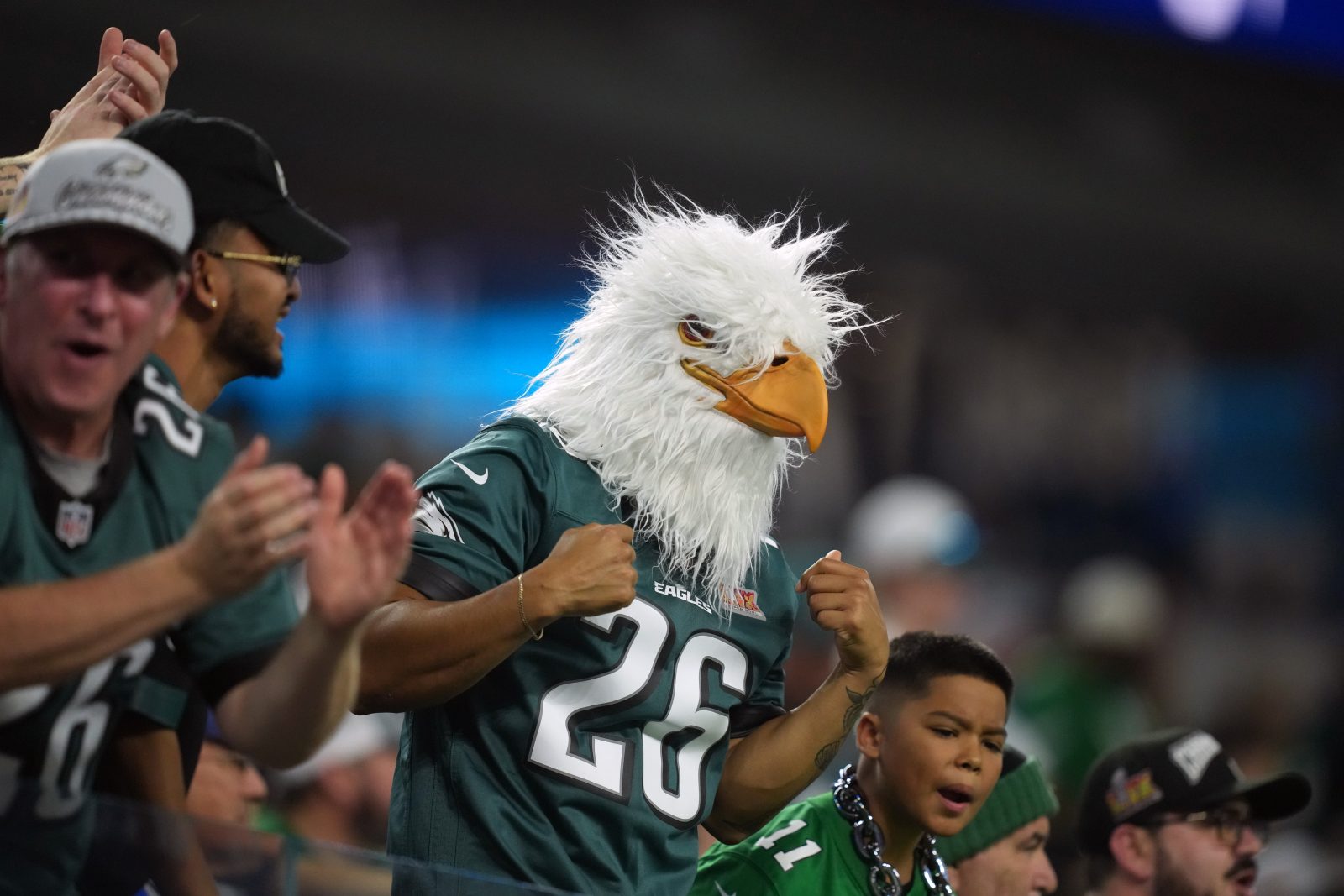
The National Football League has always been a cultural powerhouse in the United States, but over the last five years, the league has transformed into one of the most data-driven, bettor-focused sports ecosystems in the country.
The legalization of online sports wagering in multiple states didn’t just open new revenue channels— it changed how fans watch games, interpret matchups, and even react to mid-game momentum swings.
For many bettors, Sunday football has morphed from a passive viewing experience into a fast, analytical, and highly interactive environment.
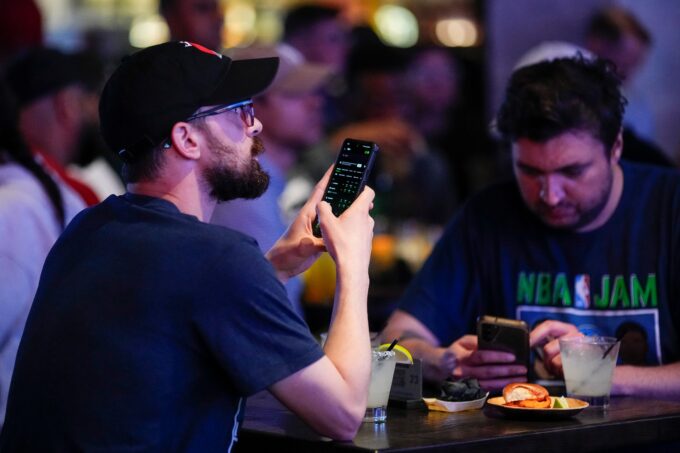
And unlike older forms of wagering, where fans placed a pre-game bet and hoped for the best, today’s tools encourage constant evaluation: live odds, drive-by-drive markets, micro-bets, and predictive models running in real time.
How Football Became the Perfect Betting Sport
NFL plays are broken into short, discrete moments. This pacing gives bettors something rare: time to think. Between snaps, drives, timeouts, and quarters, the game resets often, allowing sportsbooks to adjust lines while bettors can react with strategy rather than impulse.
These natural pauses create openings for:
- Live spreads
- Drive result bets
- Player prop adjustments
- Turnover-based odds swings
No other American sport offers such a steady blend of intensity and analytical downtime.
A Data-Friendly League
The NFL also lends itself well to statistics. Yardage, efficiency, success rate, explosive plays, coverage grades— everything can be quantified. Even casual bettors now reference analytics they couldn’t have imagined a decade ago.
Michigan, Pennsylvania Driving the Digital Betting Wave
Michigan and Pennsylvania have become two of the most influential regions in the U.S. sports betting landscape, driven by strong regulatory systems and deeply engaged NFL fan bases.
Michigan’s market, in particular, quickly gained a reputation for consistency. Oversight from the MGCB helped cultivate a set of gambling platforms that bettors describe as predictable, safe, and consumer-friendly. That stability lowered the barrier to entry and made it easier for more casual NFL fans to participate without feeling overwhelmed.
Pennsylvania developed along a similar path. With two of the league’s most passionate football communities — the Steelers and the Eagles — sportsbooks saw immediate, high-intensity engagement. Fans in both states rapidly became some of the most active adopters of micro-betting tools and same-game parlays, accelerating the growth of both markets.
Modern Payments Are The Quiet Engine of The Betting Industry
A sportsbook can offer excellent odds, but if its payment workflow feels outdated, users leave. Modern bettors expect instant, frictionless movement of funds, both in and out. That’s why platforms today support a wide range of financial tools.
Some rely on traditional bank routes. Others prefer the speed and simplicity of digital wallets.
Many appreciate the reliability of established financial networks like Visa, while others choose options such as PayPal or Skrill for convenience or separation from personal banking.
The diversity of payment choices isn’t just a luxury— it’s a competitive necessity. NFL bettors often shop odds across multiple books, and if transferring funds takes too long, they lose the chance to exploit favorable numbers.
Technology and Game Development’s Surprising Influence on Betting Behavior
The evolution of betting is tied closely to technological innovation. Game developers like Konami Gaming and Hacksaw Gaming — though primarily known for casino content — shape how users interact with digital entertainment.
Their influence on interface design, reward structures, and user engagement techniques spills over into sports platforms.
Sportsbooks now draw inspiration from gaming studios when building:
- In-app animations
- Reward systems
- Achievement badges
- Personalized dashboards
- Fast-loading mobile environments
Fans might not recognize it, but the smoothness and gamification of NFL wagering apps owe a lot to the gaming industry’s design philosophy.
The New NFL Bettor is Not Who You Might Expect
Contrary to stereotypes, today’s NFL bettor isn’t necessarily a high-risk gambler or old-school bookmaker type. The modern profile is far more varied:
- Young professionals who enjoy analytics
- Older fans who treat small wagers as entertainment
- College students exploring betting
- Fantasy football veterans transitioning into prop markets
- Women entering the space in record numbers
Many bettors don’t even consider themselves “gamblers.” They see wagering as a way to stay engaged, to test predictions, or to validate their football knowledge in real time.
The Growth of Player Prop Markets and Their Cultural Impact
Why Props Changed Everything
Player props turned NFL betting from a team-centric activity into a player-centric one. Instead of betting on who wins, fans track:
- Passing yards
- Rushing attempts
- Red-zone targets
- Pressure rates
- Defensive tackle totals
This changed how viewers consume games. Suddenly, a meaningless late-game completion means everything to someone holding an over 248.5 passing-yards ticket.
Social Media Boosted the Prop Era
Platforms like Twitter and TikTok amplify this trend. Bettors share slips, celebrate last-second covers, or dissect prop lines hours before kickoff.
https://twitter.com/xEP_Network/status/1998107579290210329
Integrity and Responsible Betting: A Crucial Counterweight
As popular as the NFL betting boom has become, regulatory bodies and leagues remain focused on integrity. Teams now include compliance staff.
Players attend mandatory gambling education sessions. Suspensions in past seasons remind everyone that rules are non-negotiable.
For fans seeking guidance on responsible wagering, the NFL provides resources on its official league site. Independent organizations also publish advice for bankroll management, odds education, and risk awareness, including those covered by American Gaming Association guides.
What the Future of NFL Betting Looks Like
Sportsbooks will continue personalizing experiences— smart recommendations based on user behavior, individualized bet boosts, and automated risk tools.
More Live Betting Options
With improved real-time data feeds, bettors may soon see:
- Offensive-line matchup props
- Coverage shell predictions
- AI-generated drive probabilities
- On-field RFID-based performance metrics
Responsible Gambling Tech Will Grow Stronger
Expect stricter built-in controls, time reminders, personalized risk alerts, and automated spending limits to become standard.
Final Thoughts: The NFL Is No Longer Just a Game
The NFL’s evolution into a betting-enhanced entertainment ecosystem wasn’t just inevitable— it was perfectly timed. Technology matured, regulations strengthened, payment tools evolved, and fans embraced a more analytical, interactive way of watching football.
Whether someone bets $2 on a touchdown prop or spends hours researching efficiency trends, the league now supports an experience that blends tradition with innovation.
And as long as the infrastructure around the NFL keeps improving, the betting side of the sport will continue to grow— not as a distraction, but as a natural extension of the modern fan’s relationship with the game.









Leave a comment