

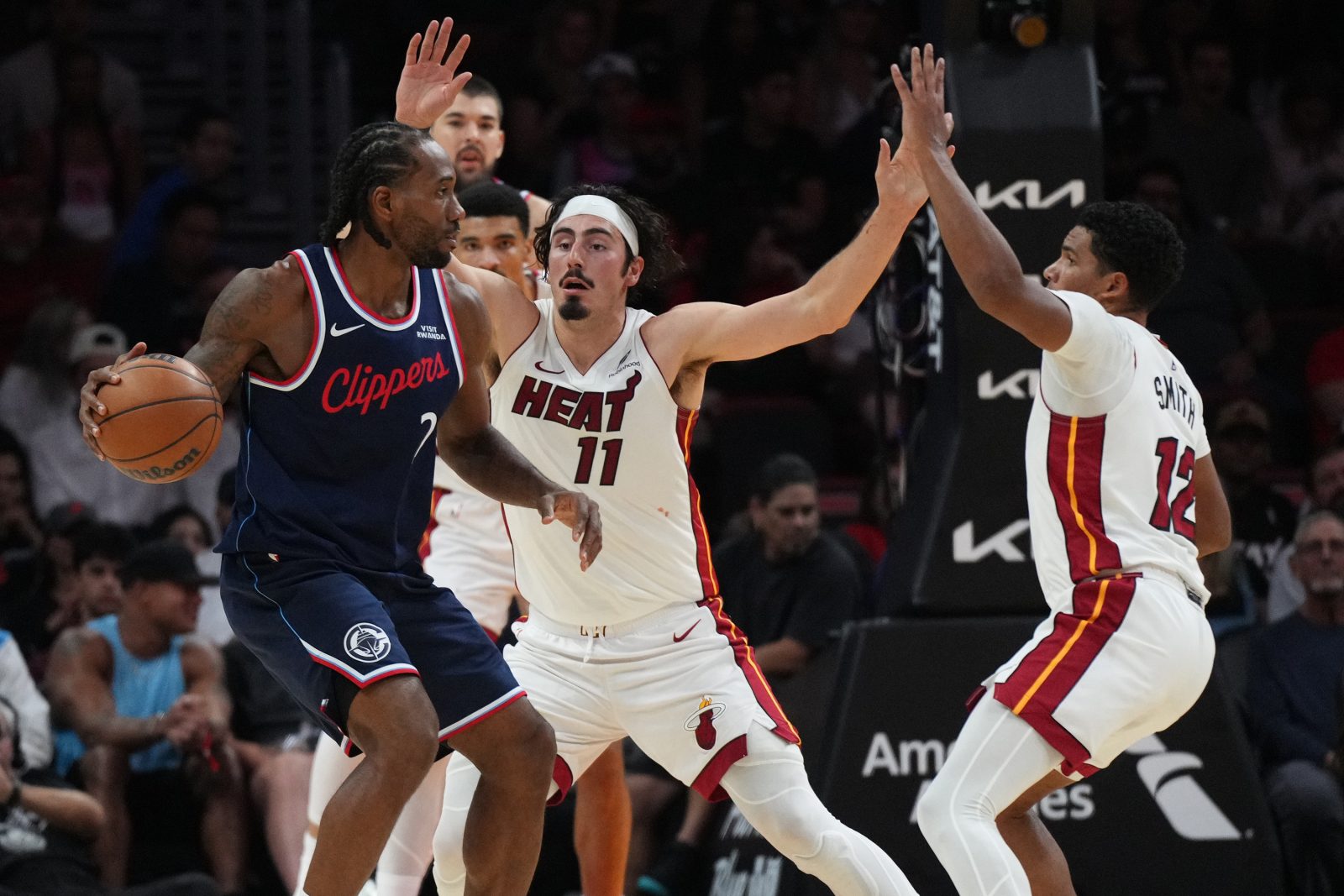
In the NBA, the best players are defined not only by athleticism but by decision-making.
Whether it’s Luka Dončić manipulating a pick-and-roll, LeBron James anticipating a defensive rotation, or Jrue Holiday reading a passing lane a second earlier than everyone else, elite performers process information at remarkable speed. Their ability to analyze patterns, recognize mismatches, and adapt instantly separates great players from average ones. Understanding how they make these choices offers a useful lens into how high-pressure strategies function in other complex environments.
Split-Second Choices and Market-Speed Thinking
NBA decisions often mirror the fast-moving nature of global financial markets, where information shifts rapidly, and the margin for error is slim.
A point guard navigating full-court pressure experiences a version of the same cognitive load that investors face when reacting to sudden market swings. Both worlds reward discipline over impulse and structured analysis over raw instinct. This is why many beginners looking to understand decision-making under pressure also explore educational frameworks that help them learn to trade with the same situational awareness athletes rely on.
How Players Manage Risk in Real Time
Basketball strategy is ultimately about risk management. Every possession forces players to calculate the probability of success: Should they take an early three, drive into traffic, or swing the ball one more time? Coaches design systems to minimize unnecessary risks, promote high-percentage looks, and limit turnovers. These principles resemble the risk-management foundations used in financial trading, where discipline, structure, and situational analysis determine long-term results more than any single action.
Key On-Court Risk Principles
NBA players and teams reduce risk by applying several repeatable strategies:
- Shot Selection Discipline: Favoring high-efficiency attempts over contested looks.
- Turnover Avoidance: Protecting the ball to maintain scoring opportunities.
- Clock Management: Using time wisely to control pace and maximize value.
- Defensive Discipline: Minimizing breakdowns to avoid high-variance outcomes.
Each technique mirrors a lesson in structured decision-making under pressure.
Comparing Court Decisions and Market Moves
The similarities between basketball play-calling and financial strategy become clearer when examining how both rely on reading patterns. Below is a simple table highlighting common parallels between NBA scenarios and financial concepts often discussed in beginner trading education.
| NBA Scenario | Core Skill Displayed | Market Equivalent |
| Pick-and-Roll Reads | Pattern recognition | Identifying trend formations |
| Clock Winding Down | Time-sensitive decision-making | Entering/exiting trades during volatility |
| Defensive Switches | Adaptability | Responding to market reversals |
| Protecting a Lead | Risk reduction | Position sizing and capital preservation |
These comparisons illustrate how high-level basketball analysis can help readers understand financial concepts through familiar strategic frameworks.
Why Stars Thrive Under Pressure
Elite NBA players excel not just because they can execute but because they maintain clarity under extreme pressure. Shot clocks, crowd noise, playoff intensity, and defensive schemes create a high-stress environment. Yet through repetition, study, and situational awareness, they maintain composure. This composure allows them to evaluate risk quickly, identify opportunities, and make data-driven decisions— qualities essential in any strategy-heavy field.
Mental Strength as a Strategic Asset
Sports psychology studies repeatedly note that top performers share several traits:
- Selective Attention: Blocking out noise to focus on the primary objective.
- Emotional Regulation: Preventing adrenaline from overriding judgment.
- Situational Learning: Using history to predict future outcomes.
- Resilience: Recovering quickly from mistakes to avoid compounding errors.
These skills extend beyond basketball, illustrating how strong cognitive habits drive high-quality decisions in competitive fields.
Coaching Systems and Their Strategic Frameworks
Behind every successful NBA team is a framework that organizes decision-making.
Coaches build extensive playbooks, scouting reports, and defensive philosophies designed to standardize choices in unpredictable situations. These systems give players a strategic map, ensuring that individual creativity flows within a structured plan. In financial markets, structured systems serve a similar purpose: they help individuals stay consistent, avoid emotional reactions, and rely on evidence rather than impulse.
Building a Repeatable Framework
NBA teams build structure in ways that resemble strategic planning:
- Film Study: Reviewing past games to recognize patterns and tendencies.
- Analytics: Using data to guide play style and identify optimal decisions.
- Practice Repetition: Reinforcing execution until it becomes automatic.
- Scenario Planning: Preparing for late-game situations and opponent adjustments.
These methods create a disciplined approach applicable to any environment requiring repeated decision-making under uncertainty.
The Role of Adaptation and Mid-Game Adjustments
Even the best-laid strategies require mid-game adjustments. When an opposing team disrupts the game plan — whether by switching schemes or applying unexpected pressure — players and coaches must adapt instantly. This adaptability mirrors the need for rapid adjustment in dynamic environments like trading, where markets can shift abruptly due to news events, economic data releases, or major geopolitical changes.
Adaptive Thinking in Action
Examples of adaptive on-the-fly decision-making include:
- A defender shading a shooter to force a drive.
- A guard altering pace to break a zone defense.
- A coach switching to small ball to counter mismatches.
Each adjustment reflects the ability to remain flexible while staying grounded in core principles.
Lessons From Stop-and-Go Momentum
Basketball games often hinge on momentum shifts: scoring runs, defensive stops, or conditioning swings that influence the flow. These momentum patterns resemble volatility cycles in financial markets. Teams that thrive during opponent runs — and capitalize on their own — show mastery of emotional regulation and tactical awareness. Similarly, traders who maintain discipline during volatility sustain long-term consistency.
Final Thoughts
The NBA offers a deep reservoir of insights into how people make decisions under pressure, manage risk, and respond to constantly changing conditions.
By examining how players read the floor, adjust mid-play, and apply structured strategies, it becomes easier to understand how high-pressure decision-making works in other fields. The combination of analysis, adaptability, and disciplined execution remains at the core of success— whether on the hardwood or in any environment shaped by uncertainty.












Leave a comment