

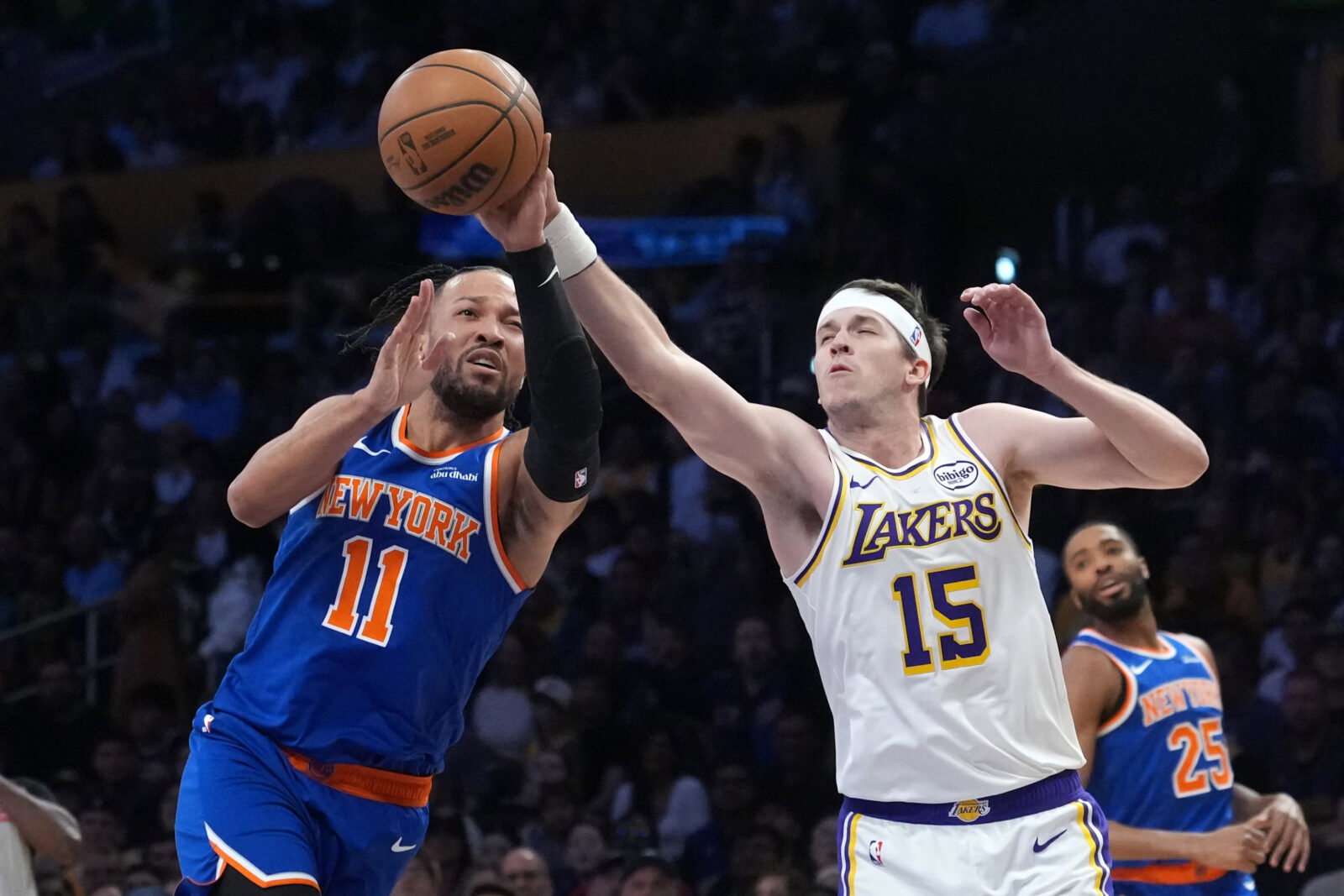
Austin Reaves‘ decision to leave roughly $5 million on the table by agreeing to a team-friendly contract extension has become another example of a growing trend across the NBA: players sacrificing potential earnings to give their franchises greater financial flexibility.
For years, taking less than the maximum available contract was viewed as an exception rather than the norm. But under the NBA’s latest collective bargaining agreement, every dollar matters more than ever.
Teams operating above the first and second salary-cap aprons face significant restrictions on trades, free-agent signings and roster construction, making cost-controlled contracts one of the league’s most valuable assets.
Team-friendly deals don’t guarantee championships. However, they can increase a team’s chances by creating opportunities to retain key role players, pursue additional talent and avoid financial penalties that limit roster flexibility.
Why Did Austin Reaves Take Less?
Reaves first joined the Los Angeles Lakers on a two-way contract before developing into one of the franchise’s most important players. Coming off the best season of his career, the 27-year-old averaged 23.3 points, 4.8 rebounds and 5.5 assists, putting himself in position for a significantly larger payday.
Instead, Reaves reportedly accepted a contract that leaves roughly $5 million on the table compared to what he could have received.
While $5 million may not seem like enough to add another star, under today’s salary cap system, it can make a meaningful difference. Those savings can help teams remain below one of the NBA’s apron thresholds, preserve valuable trade flexibility or create enough breathing room to sign another rotation player without triggering additional financial restrictions.
The value isn’t necessarily found in one transaction — it’s found in the cumulative flexibility those savings provide over multiple seasons.
The Lakers’ Offseason Shows Why Flexibility Matters
That flexibility has already become important for Los Angeles this offseason.
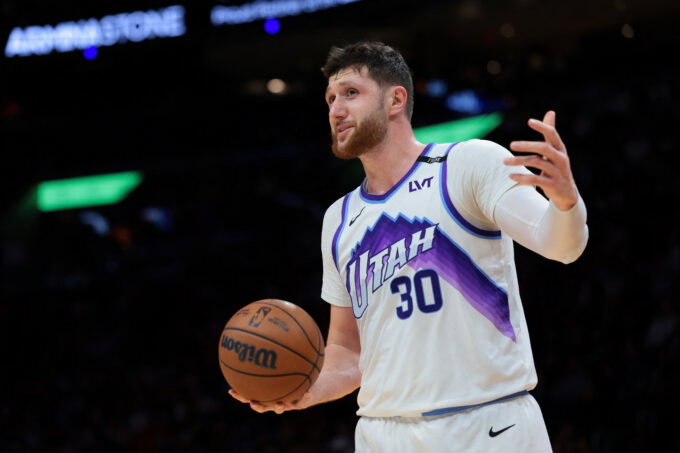
The Lakers made one of the biggest moves of the summer by acquiring Walker Kessler.
https://twitter.com/Lakers/status/2075025439354138945
Kessler joined the Los Angeles Lakers earlier this month after agreeing to a four-year, $130 million contract through a sign-and-trade with the Utah Jazz.
To acquire the 7-foot-2 center, the Lakers sent Utah two unprotected first-round draft picks along with two first-round pick swaps. Kessler has been widely viewed as one of the top restricted free agents available this offseason.
Kessler averaged 14.4 points, 10.8 rebounds and 1.8 blocks last season before his campaign was shortened by left shoulder surgery.
While the draft compensation dominated headlines, completing deals like Kessler’s also requires careful salary-cap management. That’s where contracts like Reaves’ become increasingly valuable.
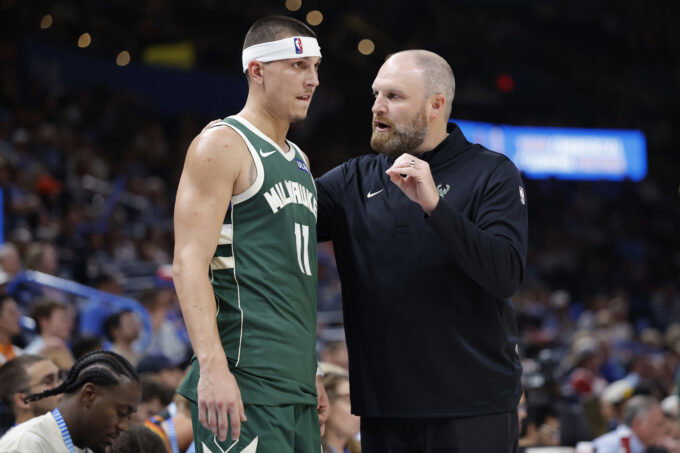
Los Angeles also benefited from another team-friendly agreement when free-agent forward Sandro Mamukelashvili agreed to a descending contract structure that starts at $13 million before dropping to $12.4 million in the following season. Structuring deals in that manner can create additional long-term flexibility as teams attempt to navigate the increasingly restrictive salary cap.
The Lakers have also added Collin Sexton and Quentin Grimes while building around Luka Dončić. Those additions, combined with Reaves’ contract, illustrate a front office attempting to maximize every available dollar rather than simply chasing star power.
Jalen Brunson Helped Change the Conversation
Perhaps no recent player has become a better example of sacrificing salary for championship aspirations than Jalen Brunson.
In 2024, Brunson signed a four-year, $156.5 million extension with the New York Knicks despite being eligible to earn substantially more by waiting another year. Had he delayed negotiations, Brunson could have pursued a five-year deal worth approximately $269 million.
Instead, he reportedly left roughly $113 million in future earnings on the table.
That decision immediately gave New York additional financial flexibility to continue building one of the league’s deepest rosters.
The payoff extended well beyond the salary cap.
The Knicks ultimately captured the 2026 NBA championship, validating the organization’s emphasis on roster depth alongside elite star talent. Brunson’s contract alone didn’t win the title, but it made it easier for New York to retain quality role players and continue adding complementary pieces around its All-Star point guard.
https://twitter.com/NBA/status/2066000179216441757?s=20
No championship can be attributed to a single contract, but Brunson’s decision demonstrated how financial sacrifices can ripple throughout an organization. Rather than forcing the front office into difficult cost-cutting decisions, New York maintained the flexibility needed to keep a championship-caliber roster together.
Victor Wembanyama Is Following the Same Blueprint
Victor Wembanyama recently embraced a similar philosophy.
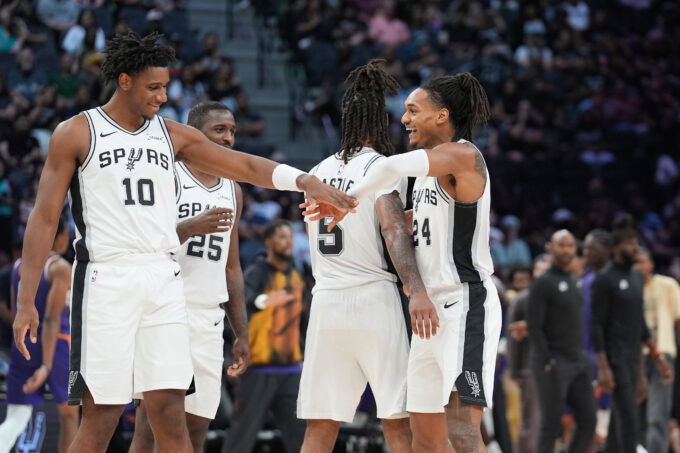
Last week, the San Antonio Spurs star agreed to a five-year, $252 million rookie extension, but according to ESPN’s Shams Charania, the Spurs were prepared to offer a 30% designated player extension worth approximately $303 million.
By accepting less than the maximum available, Wembanyama reportedly left tens of millions of dollars on the table.
Unlike Brunson, Wembanyama doesn’t yet have a championship to validate his decision. However, the Spurs came within reach of a title during the 2026 season, reinforcing the belief that San Antonio will be in contention in the years to come.
By leaving money on the table now, Wembanyama is giving the organization additional flexibility to strengthen a roster that has already shown it can compete at the highest level.
Rather than maximizing every dollar in his first major extension, Wembanyama signaled confidence in the organization’s long-term vision.
Whether that sacrifice ultimately leads to a championship remains to be seen. There is, however, a growing trend among franchise cornerstones who recognize that roster flexibility can be just as valuable as maximizing individual earnings.
Can the Lakers Follow That Formula?
The obvious question is whether the Lakers can benefit from the same approach.
The answer isn’t as simple as pointing to Reaves’ contract and declaring Los Angeles a championship favorite.
Winning an NBA title still requires elite talent, health, chemistry and a certain amount of postseason luck. A team-friendly contract cannot compensate for those factors.
However, financial flexibility gives front offices more opportunities to improve their teams when those opportunities arise.
If the Lakers identify another trade target during the season, preserving room below critical salary thresholds could make negotiations easier. Should injuries occur, additional flexibility may help them add needed depth. If role players outperform expectations, manageable contracts become even more valuable.
That’s why front offices are going to increasingly celebrate value contracts almost as much as star acquisitions.
The savings created by Reaves, Mamukelashvili and other cost-efficient deals may never generate headlines on their own, but together they provide Los Angeles with more pathways to improve around Dončić over the life of its current championship window.
Winning Isn’t Just About Spending More
The NBA’s new collective bargaining agreement is fundamentally changing how teams build championship rosters.
Simply assembling the most expensive roster is no longer enough. Teams must balance superstar salaries with productive role players on affordable contracts while carefully navigating increasingly restrictive salary-cap rules.
Austin Reaves’ reported $5 million sacrifice won’t guarantee the Lakers another championship, just as Jalen Brunson’s contract didn’t single-handedly deliver one to New York.
But history increasingly suggests that financial flexibility matters.
Brunson’s willingness to leave money on the table helped the Knicks maintain a championship-caliber roster. Wembanyama has embraced a similar philosophy as San Antonio builds toward title contention. Now, the Lakers are hoping Reaves’ decision, and a series of other team-friendly contracts, can provide them with the same competitive advantage.
Today, teams can’t win championships by solely being willing to spend the most — organizations that spend the smartest win titles.











Leave a comment