

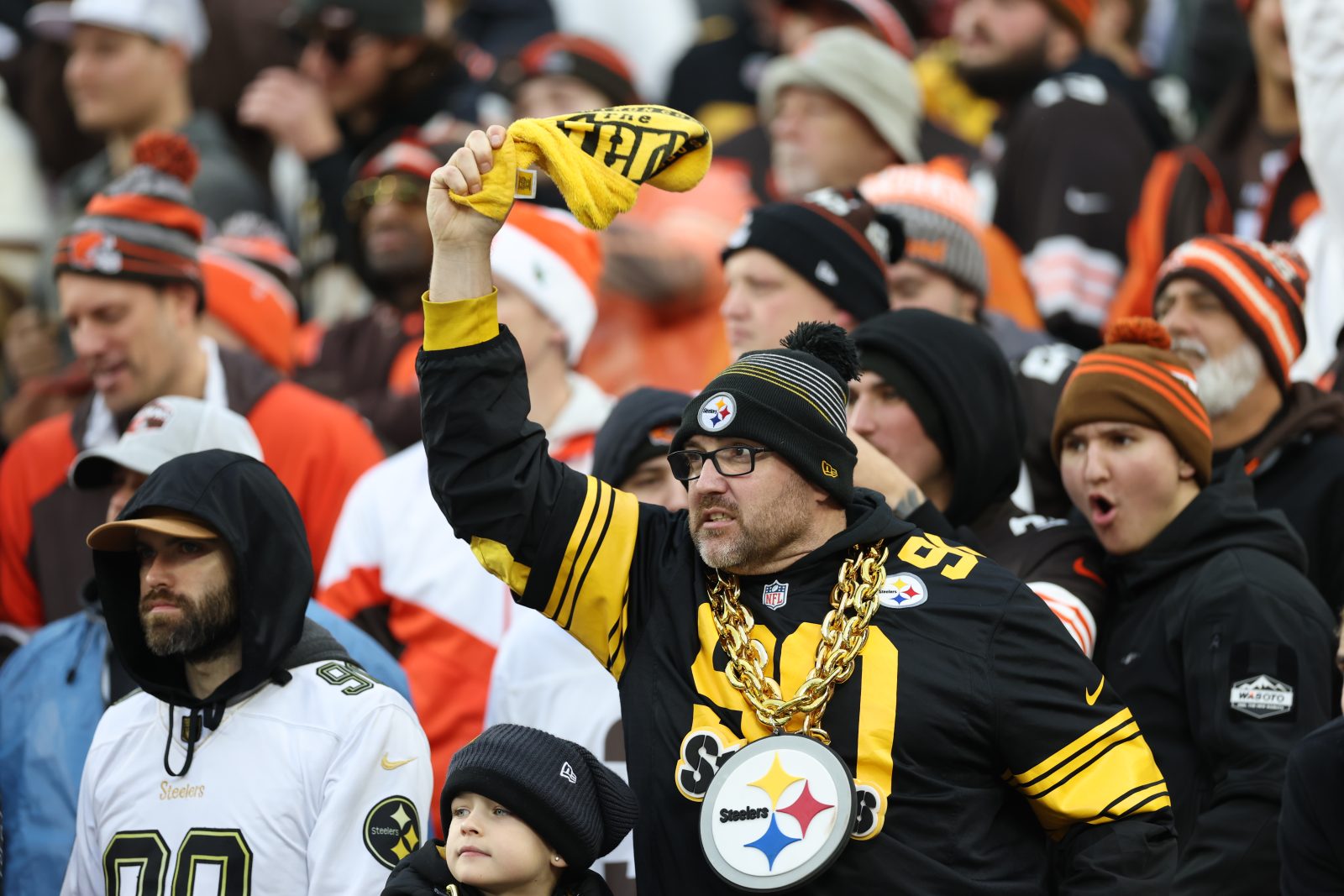
If you’ve paid attention to sports in any capacity over the last couple of years, then you are aware that sports betting has exploded in popularity.
We see ads for sports betting every commercial break during a game, on ESPN, and on other sports-related platforms. This growth has been in large part due to more states legalizing sports betting. However, in the past year, the industry has seen something new taking place. Prediction markets are taking over the US and are making sports betting even more accessible, for better or worse.
Prediction Markets Are The Next Big Thing in Sports
Sports prediction market apps are legal almost everywhere, unlike traditional sports betting apps, which are legal in just 38 states. With some of the largest states, such as California and Texas, not yet allowing sports betting, of course, an alternative stepped in to fill the void. Prediction markets are regulated by the Commodity Futures Trading Commission (CFTC), which treats them as financial contracts rather than gambling. This may sound like a loophole to you, and you would be correct.
Prediction markets originally blew up during the 2020 presidential election, when operators such as Kalshi and Polymarket offered odds on the race. Since then, they have moved into the sports world. Rather than betting on whether the Lions will beat the Vikings, you use these platforms to predict whether Detroit will win, and the outcome settles at either 0¢ or 100¢ per share. It’s the same, but different.
https://twitter.com/PolymarketSport/status/2005841784522350844
Besides making sports betting more accessible, prediction markets change how odds are set. Rather than betting against the sportsbook that sets the line, you bet peer-to-peer. This means the market determines the price you get. This eliminates the house edge, but they make it up with trading fees. Some people may prefer this odds style, while others will lean towards the traditional side.
Many people support prediction markets in sports, while others oppose them. On the side of those opposed is the NFL. The NFL has expressed its concern over prediction markets, citing that the hold may become much greater than traditional sports betting markets. It’s hard to tell whether the NFL is really concerned about the effects of prediction markets, or if it’s just standing up for its partners like DraftKings and FanDuel. If I were to guess, it would be the latter.
Whether you are excited about this new alternative to sports betting or think something shady is going on, it will be captivating to see how this all unfolds in the near future. Many states are already pushing back, issuing cease-and-desist orders to companies or filing lawsuits against the idea itself.
Wherever we are headed with sports prediction markets, it will be worth watching.









Leave a comment