

International basketball success is often understood through team win/loss record, possessing high-profile players, or media reach.
Those factors matter, but they rarely explain everything. Some countries outperform expectations because they build stronger sporting habits, better development systems, and more loyal fan communities.
Slovenia is one of the clearest examples in Europe. Despite its relatively small population, the country has created a basketball culture that continues to produce players, passionate supporters, and international respect.
For bigger nations looking to improve their own sporting ecosystems, Slovenia offers valuable lessons.
Why Basketball Means More in Slovenia
In many European countries, basketball competes with football (soccer) and countless other distractions. In Slovenia, the sport has managed to keep a stronger emotional connection with the public.
Basketball is not viewed only as a seasonal event. It often represents local pride and national ambition. That creates a healthier environment for long-term growth.
When sport becomes part of everyday culture, people remain engaged between tournaments. They watch domestic leagues, follow player careers abroad, and stay connected to basketball conversations throughout the year.
That level of consistency is difficult to manufacture. It must be built over time.
A Small Country With a Big Basketball Voice
Slovenia regularly achieves visibility that many larger countries would envy. Population size has never prevented the nation from competing on the European stage or developing elite-level talent.
That success comes from efficiency rather than scale.
Instead of relying on large talent pools, Slovenia has historically focused on strong fundamentals, well-organized youth pathways, and high-quality coaching. Countries with greater resources often assume numbers alone will solve development issues.
Slovenia shows that structure can matter more than size.
This principle applies outside sport as well. Smaller markets often succeed by becoming smarter and more specialized rather than simply bigger.
How Slovenia Builds Players Early
Basketball cultures become sustainable when development starts young and remains consistent.
Slovenian systems have long benefited from local clubs where players learn technical basics early. Rather than chasing only athletic upside, many successful programs prioritize decision-making, teamwork, movement without the ball, and game intelligence.
That model tends to produce complete players who adapt well as competition levels rise.
For other European nations, the message is simple: improving youth basketball does not always require bigger spending. Better coaching and clearer pathways can have a greater impact.
What the Numbers Make Clear
The contrast becomes clearer when Slovenia is compared with larger European basketball nations.
| Country | Approx. Population | Basketball Reputation | Elite Talent Visibility | Development Efficiency |
| Slovenia | 2.13M (2024) | Very Strong | High | Exceptional |
| Spain | 48.6M (2024) | Elite | High | Elite |
| France | 68.6M (2024) | Elite | High | Strong |
| Germany | 83.5M (2024) | Rapidly Growing | Rising | Strong |
Measured per capita, Slovenia performs far above what many would expect.
That is why the country continues to attract attention from coaches, scouts, and basketball analysts across Europe.
Fans Who Follow the Game Every Day
No basketball culture grows without fans. Slovenia’s example shows that loyal, informed support can be more valuable than raw audience size.
Fans who follow national teams, domestic clubs, and local talent pipelines create continuity. They keep interest alive when there is no major tournament on the calendar.
Modern fan behavior also matters. Basketball supporters today consume more than live games. They follow highlights, tactical breakdowns, podcasts, advanced statistics, and second-screen content during matches.
That same digital curiosity is evident across Slovenia, where audiences actively explore modern entertainment options online. Readers interested in broader digital trends in the country often also research the best online casinos in Slovenia, reflecting how sports audiences increasingly move between live events, streaming media, and interactive platforms.
The Luka Dončić Effect
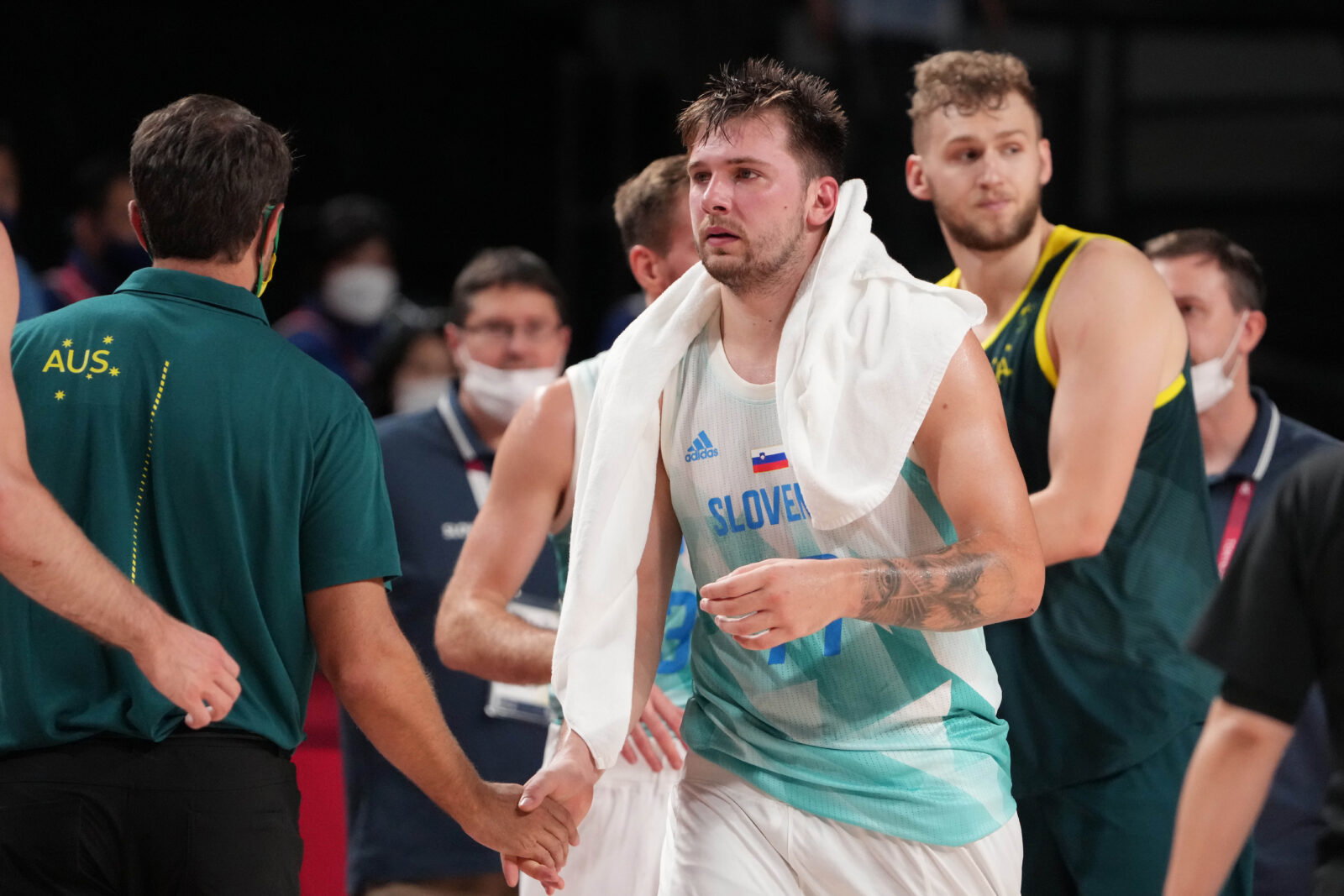
Every nation benefits when a global superstar emerges. Luka Dončić has brought extraordinary visibility to Slovenian basketball and introduced millions of fans to the country’s sporting identity.
But star power alone does not explain sustained success.
Dončić developed from an environment where basketball standards already existed. Coaching, competitive expectations, and public support were already present before worldwide attention arrived.
That is an important lesson for federations hoping for a shortcut. Waiting for one generational player is risky. Building a system first is smarter.
Global stars are often the result of strong cultures, not the cause of them.
What Other Countries Could Copy
Slovenia’s model is realistic because it is built on repeatable habits rather than unlimited budgets.
Countries looking to strengthen basketball ecosystems can focus on practical priorities.
Invest in coach education. Great coaches improve hundreds of players over time.
Protect community clubs. They are often the first point of contact between young athletes and the sport.
Create clear development pathways. Talented players progress faster when the next step is obvious.
Keep fans informed and involved. Today’s supporters want data, stories, and smarter ways to follow the game. Many already use tools such as NBA player AI prop projections to better understand matchups, trends, and player performance in fantasy basketball environments.
These ideas are not revolutionary. Their value comes from applying them consistently.
Why Europe Should Pay Attention to Slovenia
European basketball discussions often focus on the biggest leagues and largest markets. That can cause smaller success stories to be overlooked.
Slovenia proves that passion becomes powerful when it is organized. A nation does not need a massive scale to become respected. It needs alignment between clubs, coaching, player development, and supporters.
That is why Slovenia remains one of the most useful examples in European basketball.










Leave a comment