

In the high-stakes world of professional sports, athletes are often seen as invincible icons of strength, discipline, and mental toughness. While their physical ability is celebrated, their mental well-being is often overlooked.
For decades, the NFL has embraced a culture built around toughness and sacrifice. Players are expected to embody the image of the “indestructible man“— someone who plays through pain, hides emotion, and never lets personal struggles interfere with performance.
This mindset dehumanizes athletes by reducing them to their production on the field instead of recognizing them as people with emotional and psychological needs. As a result, many players have been reluctant to seek help because they fear criticism from coaches, teammates, fans and the media.
Although the league has historically fallen short in supporting players’ mental health, recent initiatives and growing player advocacy suggest the NFL is moving in the right direction.
The NFL’s Toughness Culture Discouraged Players From Seeking Help
Historically, professional athletes have been expected to display physical and mental toughness 100% of the time. That expectation has shaped not only how athletes perform but also how they are allowed to express emotion.
As a result, many athletes suffer in silence because they fear being labeled fragile or “not man enough.” The sports industry has reinforced that culture through years of systemic neglect. Many teams lacked comprehensive mental health resources or treated them as optional rather than essential parts of athlete care.
In many cases, athletes were expected to push through emotional struggles just as they would physical injuries. Consequently, this created a dangerous double standard and discouraged players from asking for help.
Ignoring Mental Health Has Had Real Consequences
The consequences of that culture extend far beyond the playing field.
Recent large-scale studies involving former NFL players have found a strong correlation between CTE and depression. In 2024, Harvard University studied 2,000 former NFL players. Of those surveyed, 34% reported believing they had CTE.
CTE, or chronic traumatic encephalopathy, is a progressive brain disease caused by repeated head injuries. It affects cognitive, emotional, behavioral, and motor function.
One of the clearest examples is Hall of Fame linebacker Junior Seau. Seau perfectly fit the mold of the “indestructible athlete” throughout his career. A six-time first-team All-Pro, he played with relentless intensity and rarely left the field.
After he tragically passed away in 2012, doctors discovered he had advanced CTE. His diagnosis became a turning point in the conversation surrounding repeated head trauma. It also highlighted the lasting physical and mental consequences football can have on its players.
Ultimately, Seau’s story serves as a reminder that even the toughest athletes are human—not indestructible.
The NFL Has Started Taking Meaningful Steps
The NFL has started taking meaningful steps to address these concerns.
In 2023, the league launched its Comprehensive Mental Health and Wellness Program. The program provides educational resources for players, coaches, owners and executives while encouraging organizations to prioritize player well-being. Since then, the league has continued redefining what it means to be “tough.”
Another major step came in 2026 when every NFL team was required to employ at least one full-time mental health clinician.
Some organizations have gone even further. For example, the Buffalo Bills expanded their wellness department under Dr. Desaree Festa, better known as “Dr. Dez,” by introducing family workshops and mindfulness programs that support players on and off the field.
Meanwhile, the Chicago Bears incorporated mental performance into preseason evaluations, recognizing that an athlete’s mindset is just as important as physical preparation.
Players Have Been Just as Influential in Changing the Conversation
League initiatives and policies have helped drive change, but players have been just as influential in changing the conversation.
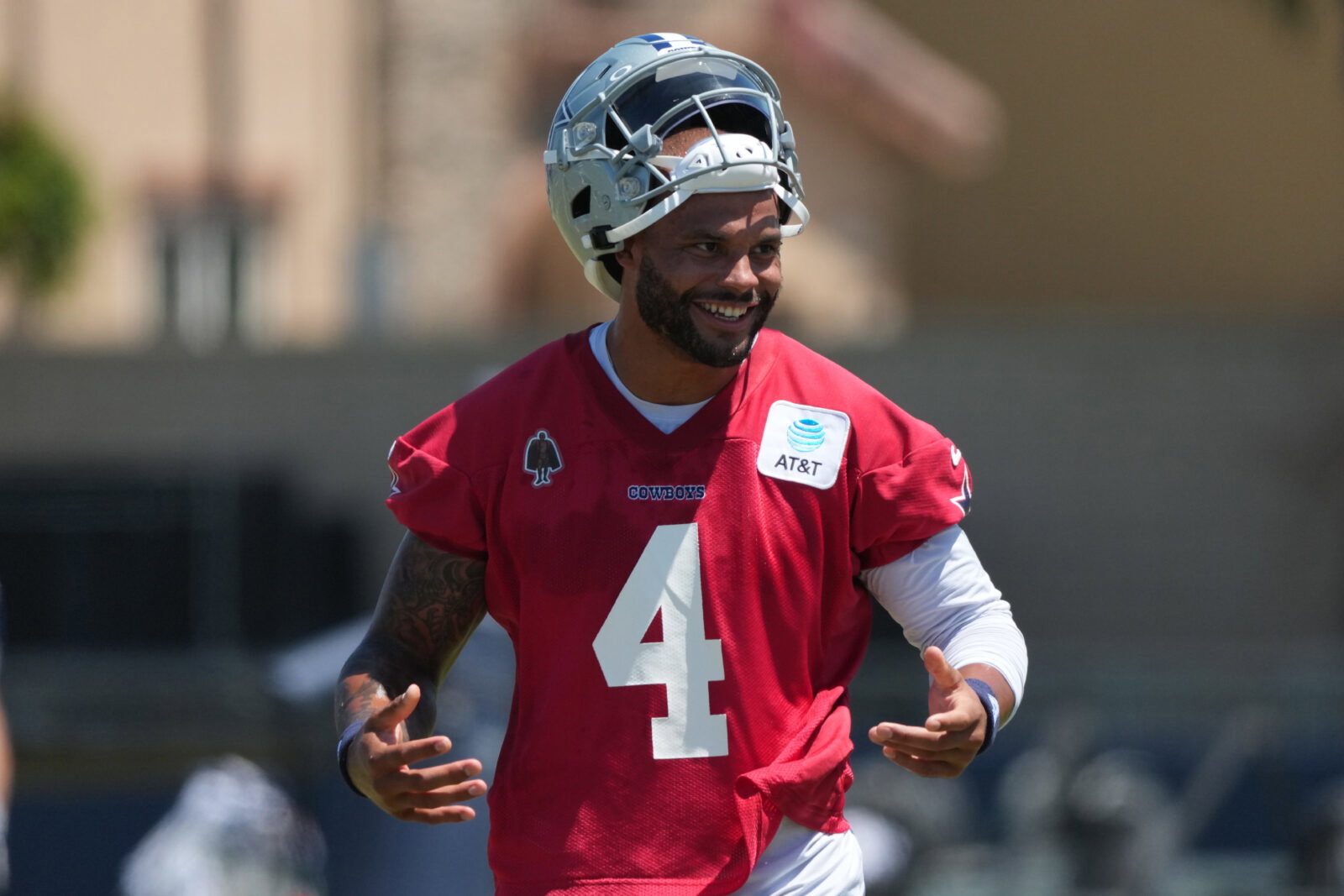
Cowboys quarterback Dak Prescott has become one of the NFL’s most recognizable mental health advocates. After losing his brother, Jace, to suicide in 2020, Prescott publicly discussed his own struggles with grief and depression. His openness helped normalize conversations that many players once avoided.
Since Prescott spoke publicly, more players have shared their own experiences, including Russell Wilson, Bobby Wagner, Solomon Thomas and Carl Nassib. Each has contributed to changing the conversation surrounding mental health differently while helping reduce the stigma around asking for help.
- Dak Prescott: Opened up about depression following the loss of his brother, Jace.
- Russell Wilson: Has consistently emphasized the importance of mental wellness, faith and seeking support.
- Bobby Wagner: Has encouraged athletes to prioritize therapy and self-care.
- Solomon Thomas: Turned personal tragedy into advocacy after losing his sister to suicide.
- Carl Nassib: Has promoted authenticity and the importance of creating environments where athletes feel comfortable being themselves.
Although each player’s story is unique, they all demonstrate that vulnerability and strength can exist together. Their willingness to speak openly has helped reshape the conversation surrounding mental health throughout the league.
The NFL Is Moving in the Right Direction, but Work Remains
The NFL still has work to do before mental health receives the same attention as physical health. However, compared with just a few years ago, the league has made meaningful progress.
League-wide initiatives, increased access to mental health professionals and players willing to share their own experiences have all helped change the culture. As a result, the image of the “indestructible athlete” is slowly being replaced by one that recognizes athletes as people first.
So, is the NFL moving in the right direction when it comes to mental health? The answer is yes—but with room for improvement. The league has invested more resources into mental health, and players have become increasingly willing to share their experiences and advocate for change.
Even so, lasting progress will depend on continuing to challenge the culture that has long discouraged vulnerability. Mental health must remain a priority for players, coaches, executives, and organizations alike if the NFL hopes to create meaningful and lasting change.










Leave a comment