

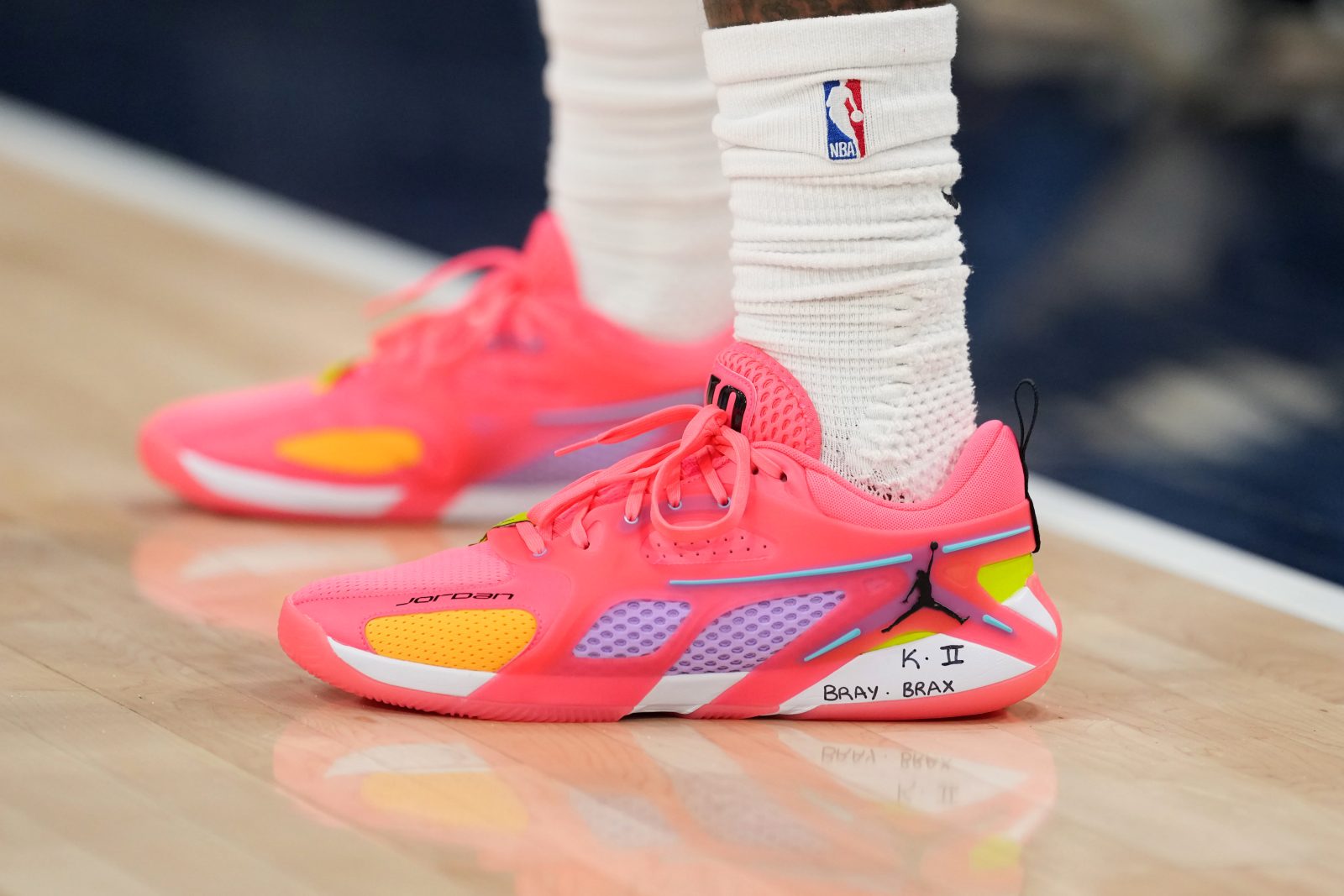
NBA sneakers no longer belong only to basketball courts. They live in cities, music scenes, and daily outfits. Many people wear them without knowing the NBA standings.
That fact alone explains their cultural power. These shoes became symbols of ambition, identity, and social belonging.
Their influence formed slowly. It grew through players, moments, and visibility. Cameras followed athletes closely. Fans copied what they saw. Over time, sneakers became a cultural language rather than just sports equipment.
How Basketball Shoes Moved Beyond Sport
Basketball shoes started with one clear job. They had to protect their feet and support fast movement. Early models focused on grip and stability. Style mattered far less during that period. Function ruled everything.
Television changed that balance. Players appeared larger than life on screens. Shoes became visible during games, warmups, and interviews. Fans noticed details quickly. Colorways and silhouettes caught attention, turning simple gear into part of leisure culture, similar to how online entertainment, such as casino platforms or offers like the Stay Casino promo code, became a casual way for many people to relax after a long day.
Urban environments accelerated this shift. Basketball thrived in cities and outdoor courts. Sneakers felt authentic and reachable. Wearing them connected fans to the sport emotionally, just as familiar leisure habits help people disconnect and recharge.
NBA Players as Cultural Influencers
NBA players shaped sneaker culture through visibility and personality. Each star carried a distinct image. Shoes became reflections of that image. Fans followed players closely and copied their choices.
Michael Jordan changed sneakers permanently. His shoes symbolized confidence and dominance. People bought them to feel closer to that mindset. Later stars followed similar paths. Sneakers became part of public identity.
- Michael Jordan — turned sneakers into symbols of confidence and status
- Kobe Bryant — linked footwear with discipline and precision
- LeBron James — represented strength, leadership, and longevity
- Allen Iverson — brought raw street attitude into sneaker culture
This player-driven influence allowed sneakers to express personality, not just style.
Why Signature Sneakers Matter More Than Regular Models
Signature sneakers differ from standard releases. They tell stories rather than follow trends. Designers embed meaning into every detail. Fans notice and appreciate that depth.
Key elements often included in signature sneakers:
- Career milestones shown through colors
- Personal symbols or logos
- References to teams or cities
- Design changes reflecting playing style
These details turn shoes into narratives. Wearing them feels personal. That emotional bond keeps demand strong.
Sneakers As Storytelling Tools
Sneakers work like visual biographies. Each release reflects a chapter. Wins, losses, and comebacks all leave marks. Fans remember moments through shoes.
This storytelling builds long-term relevance. Shoes stay meaningful even after retirement. They become time capsules of basketball history. That lasting meaning explains their collectible status.
The Link Between Music and NBA Sneakers
Basketball and hip-hop grew side by side. Both emerged from urban culture. Artists and players shared similar backgrounds. Sneakers became a shared symbol.
Rappers referenced basketball shoes in lyrics. Album art featured iconic pairs. Performers wore them on stage. This exposure pushed sneakers into wider culture.
Music listeners adopted basketball sneakers naturally. Shoes became markers of confidence and success. This crossover expanded sneaker influence beyond sports fans.
Streetwear Changed How Sneakers Are Worn
Streetwear reshaped everyday fashion. Comfort replaced formality. Sneakers became acceptable almost everywhere. Basketball shoes fit this shift perfectly.
Loose silhouettes matched bold sneaker designs. Shoes became outfit centers. People styled clothes around them. That visibility reinforced their importance daily.
Over time, owning multiple pairs became normal. Rotation replaced preservation. Sneakers stayed visible, not stored away.
Scarcity And Why It Increases Value
Limited releases changed sneaker perception. Not everyone could buy every pair. Scarcity created urgency. Release dates became social events.
Scarcity affected behavior in several ways:
- Long waiting lines formed – Physical releases drew crowds early in the morning. Waiting became part of the ritual.
- Online releases sold out quickly – Seconds mattered during digital drops. Speed replaced choice.
- Missed drops created frustration – Failure increased desire rather than reducing it. People wanted the shoes even more.
- Ownership signaled access – Having the pair suggested insider knowledge, timing, or luck.
This system changed how sneakers felt. They no longer seemed casually bought. They felt earned through effort or patience. That emotional investment raised perceived value. Scarcity turned sneakers into symbols of achievement, not just style.
The Sneaker Resale Market Explained
Resale markets turned sneakers into assets. Prices reflected demand and meaning. Some pairs gained value rapidly. Others faded.
Here is a simplified view of resale factors:
| Factor | Effect on Price |
| Limited quantity | Higher demand |
| Player popularity | Strong interest |
| Cultural moment | Increased relevance |
| Condition | Major price impact |
Resale markets reinforced sneaker culture. Shoes became conversation pieces and investments.
Media And Social Visibility
Social media amplified sneaker culture. Photos spread instantly. Influencers showcased new releases. Discussions followed every drop.
Visibility changed buying habits. People wanted recognition as much as comfort. Sneakers became digital status symbols. Online presence increased real-world demand.
This constant exposure kept NBA sneakers relevant. They stayed part of the cultural conversation.
Why NBA Sneakers Represent Identity
People choose sneakers to express themselves. Some prefer classic designs. Others choose bold statements. NBA sneakers offer both.
They signal taste, background, and influences. Wearing them communicates belonging. For many, sneakers speak louder than words.
This identity aspect explains long-term appeal. Shoes adapt across generations while retaining their meaning.
Global Reach Of NBA Sneakers
NBA influence extends far beyond the United States. International fans follow players through highlights, interviews, and social media clips. Sneakers often become the first physical link to the league. Buying a pair feels like joining a global basketball conversation.
Local street cultures adopt NBA sneakers in their own ways. Styles change slightly from city to city. Meanings stay recognizable everywhere. A classic pair sends the same signal in Tokyo, Paris, or Warsaw. That shared recognition builds cultural unity.
Global visibility strengthens icon status over time. Sneakers act as visual shortcuts for basketball culture. They connect fans across borders without language barriers. This worldwide acceptance keeps demand strong in many markets at once.
Why NBA Sneakers Remain Relevant
Fashion trends shift quickly, but NBA sneakers adjust without losing identity. Designers refresh shapes and materials while keeping familiar elements. Logos, silhouettes, and color stories preserve continuity. This balance allows evolution without disconnection.
New generations discover older models through re-releases. Retro drops reintroduce history in updated form. Younger fans adopt them as fresh, not outdated. Older fans reconnect through nostalgia.
This repeating cycle fuels long-term interest. Past and present exist together. Sneakers move forward while carrying memory. That blend keeps them culturally active year after year.
The Most Popular NBA Sneaker Models
Some NBA sneakers crossed sports borders and became cultural references. These models stayed visible for years, not seasons. People recognize them instantly. Their shapes, stories, and associations turned them into classics.
Popularity here is not about sales alone. It comes from visibility, longevity, and emotional connection. These models appeared in key moments and stayed relevant afterward.
| Sneaker Model | Associated Player | Why It Became Iconic |
| Air Jordan 1 | Michael Jordan | Simple design tied to early NBA rebellion |
| Air Jordan 11 | Michael Jordan | Combined elegance with performance appeal |
| Nike Kobe 4 | Kobe Bryant | Changed perception of low-cut basketball shoes |
| Nike LeBron 9 | LeBron James | Represented power and physical dominance |
| Reebok Question | Allen Iverson | Reflected raw street identity and attitude |
These models remain visible through re-releases and cultural references. New generations adopt them without needing context. That timeless recognition confirms their iconic status.
Final Thoughts
NBA sneakers earned iconic status through consistent visibility and emotional connection. They traveled naturally from courts to streets without forced shifts. Players shaped meaning through careers and personality. Music and fashion expanded reach beyond sports. Scarcity and storytelling deepened value over time.
Today, NBA sneakers function as symbols of identity and ambition. They represent belonging, memory, and aspiration. Their cultural role keeps evolving, yet their core message stays familiar. That is why they remain icons rather than trends.









Leave a comment