

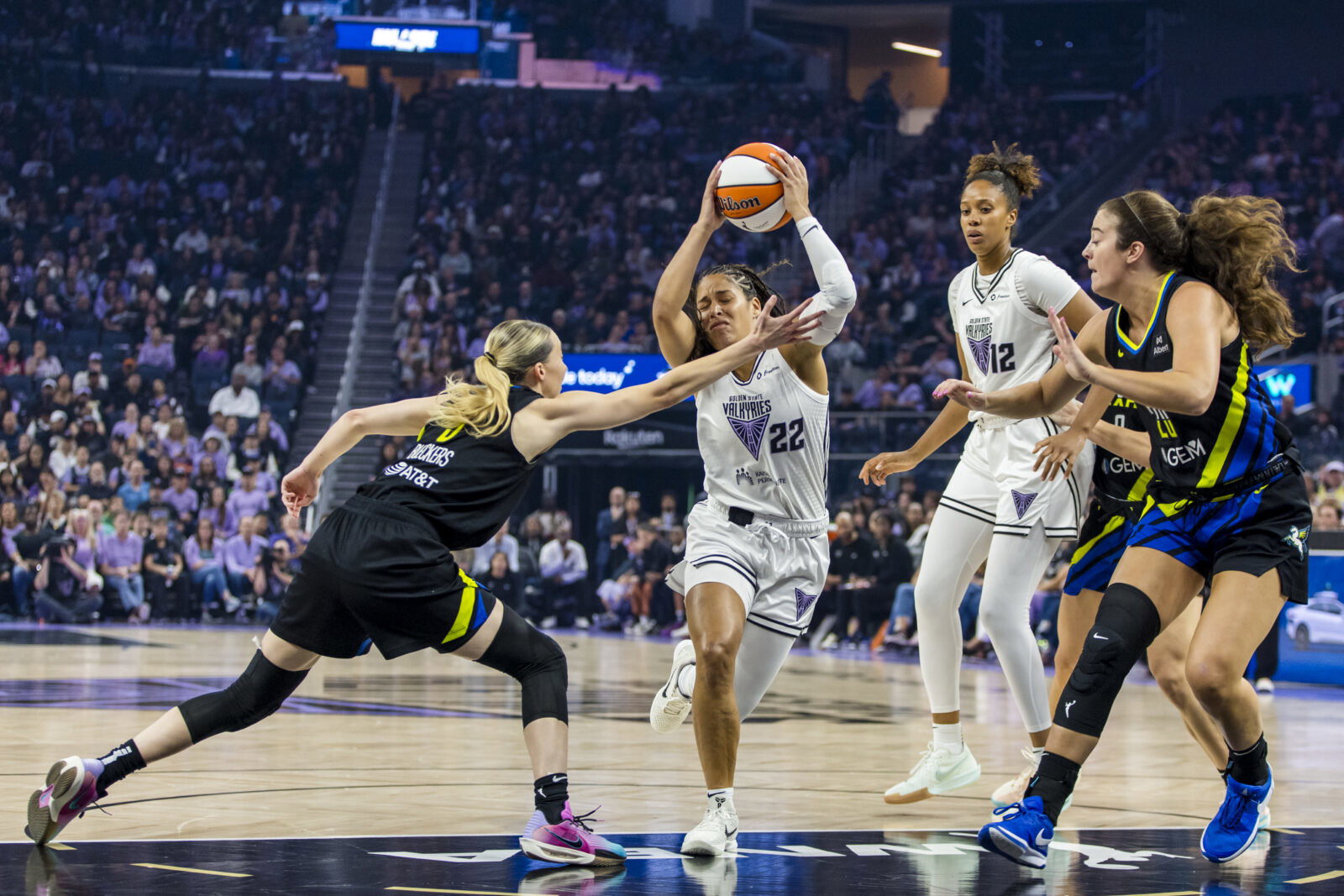
A May 2025 survey revealed that approximately three in ten US adults watch women’s professional or college sports at least occasionally. That still trails the more than four in ten adults who follow men’s sports, but it’s an increase from recent years, nonetheless.
And with interest in women’s sports growing, so does betting on leagues like the WNBA, NWSL, and PWHL. Sportsbooks and gambling platforms are expanding their coverage of these leagues, and many users are discovering them not through sports media alone, but through the broader online gambling ecosystem.
Many users choose to stay and bet on women’s sports, casino games, or other products. With that in mind, it’s important to consider the ethical implications of rising betting activity in women’s sports. We examine both how sportsbooks can help protect bettors and how individuals can stick to responsible practices.
Women’s Sports Market Growth
While women’s sports are gaining more fans, that doesn’t always look like the strong team loyalty often seen in men’s leagues. Many viewers come to women’s sports through a casual entry point — a streamed game, a social media clip, or an event tied to a broader platform they already use.
That perfectly fits the survey data, which shows that women’s sports fans are generally more casual than men’s sports fans. They are more likely to watch games occasionally than to watch them frequently, and less likely to attend events. It’s also rarely the case that one specific team is the main reason they follow the sport.
But which women’s leagues have the largest fan bases in the US? Let’s take a look:
| League | Latest audience data | Betting interest |
| WNBA | More than 54M TV viewers in 2024 | Two major betting sites (ESPN BET and BetMGM) reported 150%+ and 108% growth in betting on the league in 2024 |
| NWSL | Over 2M regular-season fans in 2024 | More betting markets and coverage are appearing around it |
| PWHL | Surpassing 1M fans TODAY (4/17/26)! | FanDuel became the official sportsbook and streaming partner in late 2024 |
Why Ethical Gambling Matters Here?
As betting is becoming a bigger part of women’s sports, the conversation doesn’t stop at market size or fan growth. Instead, it moves toward responsibility. It raises important questions, such as how betting should be promoted and how it affects fans.
This is where ethical gambling comes in. It means market growth should not come at the expense of fairness, trust, or the sport’s future.
Key Risks for Bettors
There have always been concerns about the harmful effects that gambling can have. That’s not helped by mobile apps, frequent ads, and promotions, all of which make sports betting not only easy to access but also seem normal.
There are many stories of people getting caught up in it, chasing losses and spending more than they planned. Meanwhile, casual bettors may encounter issues with understanding odds, bet types, or bonus terms. Platforms often attract new users with low-friction entry points — someone might see the bonus catalog with $10 no-deposit casino offers, try a few games, and gradually move toward placing real wagers. That path from a free bonus to active betting is precisely where consumer protections matter most.
That’s why gambling companies are expected to provide clear information, effective controls, and robust consumer protection if they are going to promote their products.
Regulation and Consumer Protection
If gambling companies want to grow with women’s sports, they also need to follow clear rules and put real protections in place:
- Fair odds so people know what they are really betting on
- Transparent rules with no confusing terms or hidden conditions
- Age checks to help keep underage users off betting platforms
- Placing limits on deposits, bets, and losses should be encouraged
- Time reminders can also help users notice how long they have been betting
- Bonus offers should explain all conditions clearly instead of hiding them in small print
- To keep trust in the game, sports integrity also needs to be protected
- And if someone needs help, support services should be easy to find
- Ads shouldn’t present betting like a necessary part of being a sports fan
Ethical Advertising Practices
Advertising can shape betting habits more than people realize. Many users do not place a bet out of nowhere. It’s often after they see a sports betting advertisement, a limited offer, or an ad that feels relevant to them that they place a wager. In fact, over 50% of respondents in one survey confirmed that. Moreover, sites make this easier since they use browsing data and past activity to show offers that match a person’s interests.
However, a more responsible approach would be to create balanced messages. In other words, instead of just focusing on winnings, operators should remind players of risks. They shouldn’t present gambling like easy money without making it clear that odds never guarantee an outcome and that wagering should be treated as entertainment.
Sponsorships Not Exclusive to Men’s Sports
Betting sponsorships are not exclusive to men’s sports, and those who closely follow leagues like the WTA already know this. Indeed, these partnerships are not as frequent as in men’s sports, but that doesn’t mean they don’t affect fans. When a sports league signs a deal with a gambling brand, betting becomes more visible and associated with the game.
That doesn’t necessarily make the partnership a bad thing, but a few questions naturally come to mind. The most important question is: at what point does sports betting sponsorship go beyond simple advertising and start to influence how fans interact with the sport? This matters even more in women’s sports than in men’s competitions because they’re still building trust and a dedicated fan base.












Leave a comment