

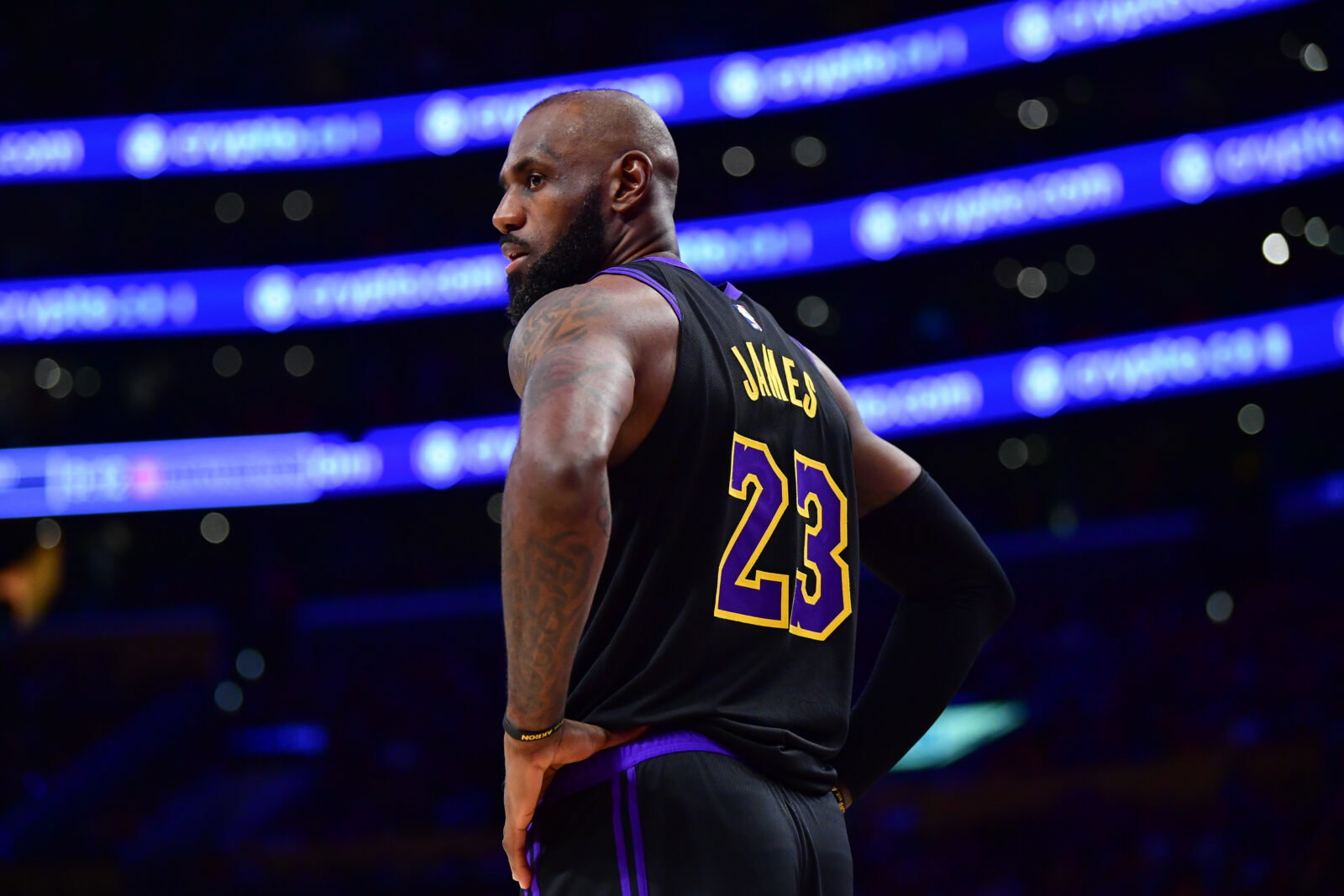
When people think of big-name athletes like LeBron James, Tom Brady, Cristiano Ronaldo, Tiger Woods, and many others, they usually think first of their athletic ability.
For example, former Miami Hurricanes football player and WWE legend Dwayne “The Rock” Johnson completely turned around his career. He became a full-time, Golden Globe-nominated Hollywood actor.
In the 2020s, the old model of “play sports first, act later” is dead. Now, elite talent agencies sign athletes not only for their athletic ability. Agencies are also focused on their potential as multi-platform celebrities.
Athletes are now making more money and achieving more fame than ever before. They’re doing this while risking their bodies less and less. Here’s how today’s biggest athletes are doing it.
Travis Kelce: The Multimedia Blueprint
Kansas City Chiefs star tight end Travis Kelce is one of the best examples of an athlete-built empire. At the same time, he is still putting up superstar numbers in the NFL.
In March of 2023, Kelce signed with the agency CAA for more off-field representation. This decision came after he hosted an episode of the highly popular NBC show ‘Saturday Night Live’.
That decision transformed him from an NFL superstar to a global icon. He went on to create one of the most popular sports/lifestyle podcasts with his brother, former NFL player Jason Kelce. Additionally, he has also taken on roles in Hollywood films and shows like Happy Gilmore 2 and Grotesquerie.
So, when Travis Kelce lands a hosting job, acting role, or large commercial campaigns such as Subway and State Farm, his agency CAA is often the bridge between Kelce and the entertainment industry, advertisers, and media outlets.
Kelce’s celebrity status matters, but behind it is an infrastructure most people never see. CAA, podcast networks, producers, lawyers, and marketing teams turning fame into a durable business.
However, he’s backed it up. Balancing a Hall of Fame-caliber NFL career with a Hollywood presence is something almost no active athlete has pulled off.
LeBron James: The Ultimate Business Mogul
With guidance from his agent, Rich Paul, who was ranked third among sports agents in 2025, James built one of the most impressive business portfolios in sports.
“I’m thankful for the opportunity that LeBron gave me,” Paul said. “But the ultimate respect for the opportunity he gave me and for him is the position I stand in now, because I am no longer dependent on him.”
From massive endorsement deals such as a lifetime agreement with Nike, to deals with Beats by Dre, KIA, and GMC, James has earned an estimated $80 million alone just from endorsements in 2024.
James also has one of the deepest business portfolios of any athlete. For example, he owns equity in Blaze Pizza. In addition, he has a stake in the popular English Premier League club Liverpool FC.
Along with that, James created his own media company called ‘SpringHill Entertainment’. This company helped produce “Space Jam: A New Legacy,” which James starred in.
SpringHill was created by merging three businesses: SpringHill Entertainment, Uninterrupted Media, and The Robot Company.
The company combines things like content production, brand consulting and marketing, athlete storytelling, and product and entertainment development. For example, Space Jam turned out to be a big success for James and SpringHill Entertainment.
In the end, LeBron’s business empire is built on ownership across the sports-entertainment landscape. Nike broadens his global audience, Liverpool FC and Blaze Pizza turn influence into equity, and SpringHill serves as the storytelling frame that connects it all.
Looking Into the Future
Now looking forward to 2026 and beyond, today’s athletes are no longer just collecting endorsement checks. Instead, they’re acquiring equity. This includes starting production companies, investing in media ventures, and generating revenue long after retirement.
Especially now, considering most high-tier collegiate athletes are well into the NIL era and can experience pro-level endorsements and major money deals that can set them and future generations up for life.
The difference between professionals today and college athletes is timing: LeBron and Kelce spent years turning their professional careers into what you see today, while NIL allows college athletes to begin building audiences, partnerships, and revenue streams before they even go pro.
As a result, the blueprint for athlete entrepreneurship is no longer reserved for established pro stars but is becoming part of an athlete’s career from the jump.
In the end, thinking about things like Hollywood careers, important business decisions and practices, and surrounding themselves with the right people to build an entertainment empire may ultimately be just as important as their athletic legacies.












Leave a comment