

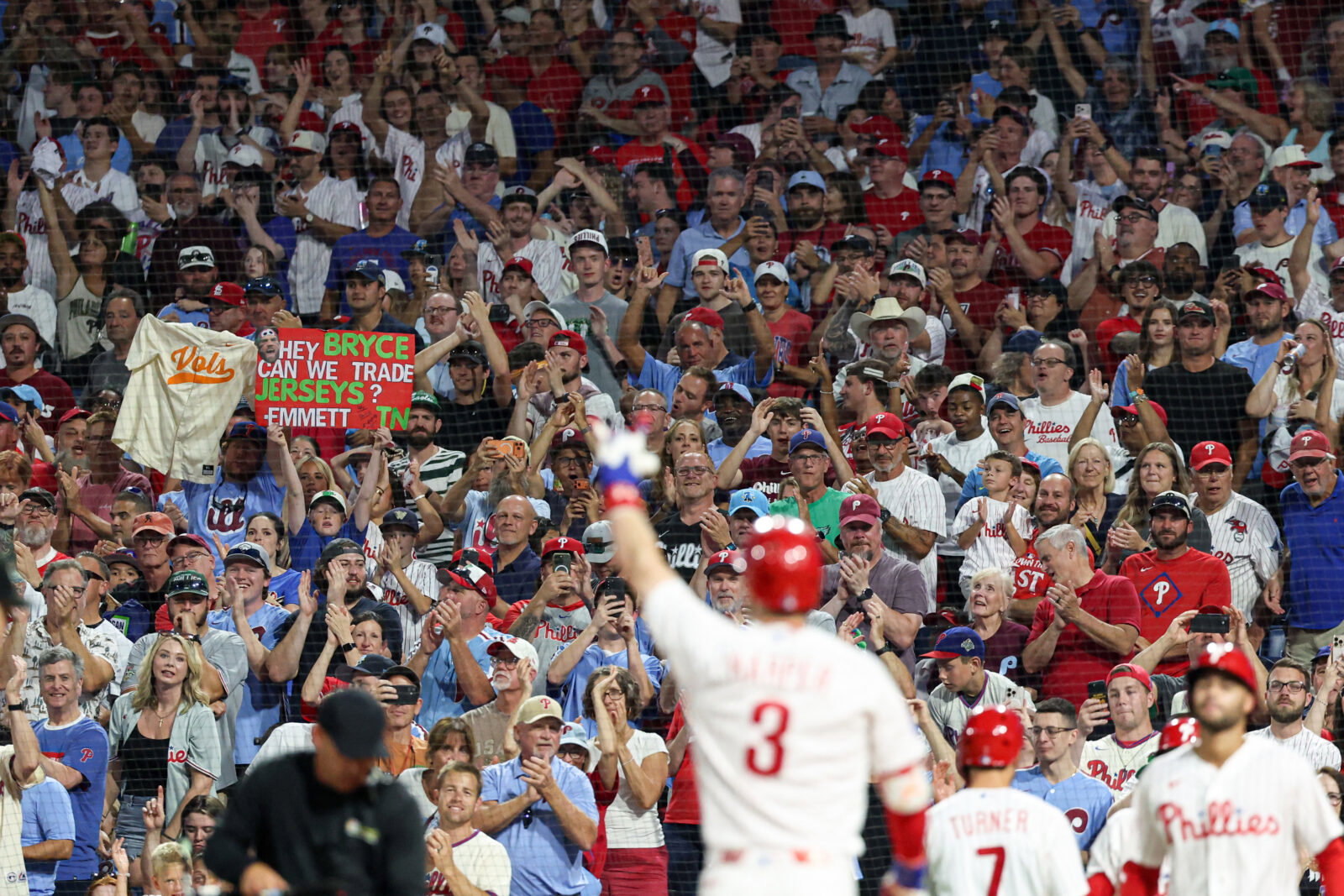
Three games can share the same TV screen and still teach people to cheer in totally different ways.
Baseball asks for patience, little rituals, and a feel for failure. Basketball pulls fans into noise, pace, and player personality. Football turns a week into one public appointment. A slow Tuesday in July does not feel like a packed arena in March, and neither feels like a cold playoff lot in Green Bay.
The habits are learned early, almost by accident. Even sports betting reflects that split; a casino guide like Vox for Hungary may sit beside odds pages, yet baseball bettors study pitching matchups while football crowds circle one Sunday line. The culture grows out of the clock, the calendar, and the space around the field.
Baseball Fans Live Between Pitches
Baseball culture is built in the gaps. A pitch takes one second, then everyone waits. That pause gives fans room to score a game by hand, argue over a bunt, check a radio call, or remember a box score from last year. Another comparison fits oddly well: searches for new online casinos place online casinos lists near 2026 predictions, while baseball fans do the same kind of sorting with prospects, platoon splits, and bullpen fatigue.
Because 162 regular-season games grind across six months, no single loss has to ruin a household. People drift in late, leave the broadcast on during dinner, and treat the sport like weather. Local speech matters too. A Yankees fan talks about pinstripes and pressure. A Cubs fan knows day games and brick walls. A Dodgers fan expects traffic before the first inning.
The ballpark helps. It is open, slow, and full of side conversations.
Basketball Culture Follows the Run
Basketball fans react in bursts because the sport keeps giving them small explosions. A steal becomes a dunk in three seconds. A shooter hits two threes, and the whole arena smells a comeback before the scoreboard agrees.
The court is tiny compared with a baseball field or football stadium. Faces are visible. Shoes squeak. A fan can see a player glare at the bench, laugh with a referee, or wave off a screen. That closeness feeds arguments about stars. Michael Jordan, Allen Iverson, LeBron James, Steph Curry, and Caitlin Clark changed fashion, slang, and youth drills as much as scorelines.
Arena culture also lives indoors. Music hits during play. The crowd is lit, prompted, and recorded. Students behind the basket become part of free throws. A playoff game feels like a nightclub with tactics.
Football Turns Scarcity Into Ceremony
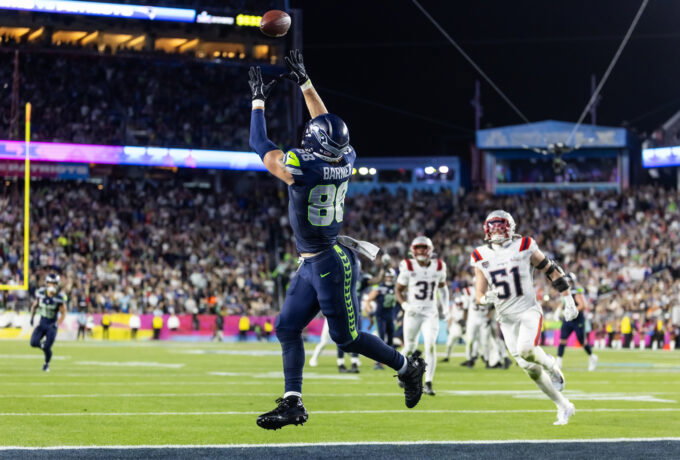
Football fandom begins before kickoff because the schedule is stingy. Seventeen regular-season games make each Sunday feel heavier than a Tuesday baseball loss or a January basketball game. Fans plan food, clothes, travel and television spots around it.
Tailgating changes the mood. A parking lot in Kansas City or Buffalo becomes a village of smoke, folding chairs, flags, and old grudges. The game itself rewards collective noise. Defenses ask crowds to shake the snap count. Offenses make everyone hold their breath before one deep throw.
Violence shapes the culture too. Hits are loud. Careers are short. Supporters talk about toughness, pain, and loyalty in ways that would sound strange at a midweek baseball game. College football pushes this even further, tying bands, mascots, alumni money, and state identity into Saturday routines.
Time Changes How Fans Remember
Memory works differently in baseball. A fan remembers a summer by injuries, call-ups, rain delays, and a closer who stopped throwing strikes in August. The diary is long.
Basketball memory is cleaner and sharper. A season becomes a handful of runs, rival matchups, and playoff possessions, plus one photo of a star hanging in the air. The NBA also sells arguments well: greatest player, best duo, smartest trade, worst contract.
Football memory is almost civic. Ask a Philadelphia fan about the Philly Special or a New Orleans fan about Steve Gleason’s blocked punt, and the answer carries place, family, and grief. The limited schedule turns moments into monuments.
Media Turns Each Sport Into a Different Room
Broadcast style seals the split. Baseball radio still matters because the game tolerates description; a good announcer can fill dead air with weather, history, and a joke about a backup catcher. Basketball belongs to clips. One crossover travels faster than a box score, and a sideline outfit can become the day’s loudest post.
Football owns the pregame table. Panels, fantasy projections, injury reports, and red-zone alerts make fans feel like managers before they become spectators. None of these cultures is purer than the others. They train attention differently.
The next test is simple: watch one inning, one quarter, and one drive, then notice what the crowd does between plays. The gaps say plenty about belonging.






Leave a comment