

Every NFL offseason produces headline-grabbing moves, but the biggest developments are often those that reveal a team’s long-term direction.
Coaching changes, calculated trades, contract decisions and draft selections all shape expectations before meaningful football begins.
Some teams have embraced significant change, while others have focused on building on their existing foundations. As training camp progresses, the Eagles, Chargers, Lions and Commanders each present a different blueprint for preparing for the challenges of the 2026 regular season.
Eagles Reshape Roster Through Trade Value
Philadelphia once again demonstrated that roster building extends beyond retaining established talent. General manager Howie Roseman has consistently embraced calculated turnover, using trades to strengthen long-term flexibility while ensuring the team remains competitive.
Rather than avoiding difficult decisions, the Eagles have repeatedly shown a willingness to exchange proven contributors for future opportunities.
That philosophy became especially clear with the decision to move AJ Brown to the Patriots. Although parting with a player of his stature attracted widespread discussion, the trade returned valuable assets that could benefit Philadelphia over multiple seasons. Like analysts evaluating NFL moneyline odds, the front office weighed immediate expectations against future possibilities before making its move.
The Eagles moved quickly to reinforce the receiving group. Dontayvion Wicks was acquired from the Packers, bringing another young target capable of expanding the passing attack. The front office then selected Makai Lemon in the draft, adding another promising receiver whose athletic profile fits Philadelphia’s offense.
Neither addition is expected to replicate Brown’s production immediately. Instead, both players represent longer-term investments with room to develop into significant contributors. Wicks has already displayed encouraging flashes when opportunities have arisen, while Lemon enters the league with considerable upside after an impressive collegiate career.
Taken together, these moves reflect Roseman’s broader philosophy. Rather than chasing short-term continuity at every position, Philadelphia continues balancing present competitiveness with future roster sustainability. That willingness to refresh key areas without abandoning long-term planning remains one of the defining characteristics of the Eagles entering the 2026 season.
Chargers Prioritize Coaching Over Roster Turnover
The LA Chargers approached the offseason differently from many of their rivals. Rather than pursuing sweeping personnel changes, Los Angeles focused on strengthening its coaching staff, appointing Mike McDaniel as offensive coordinator.
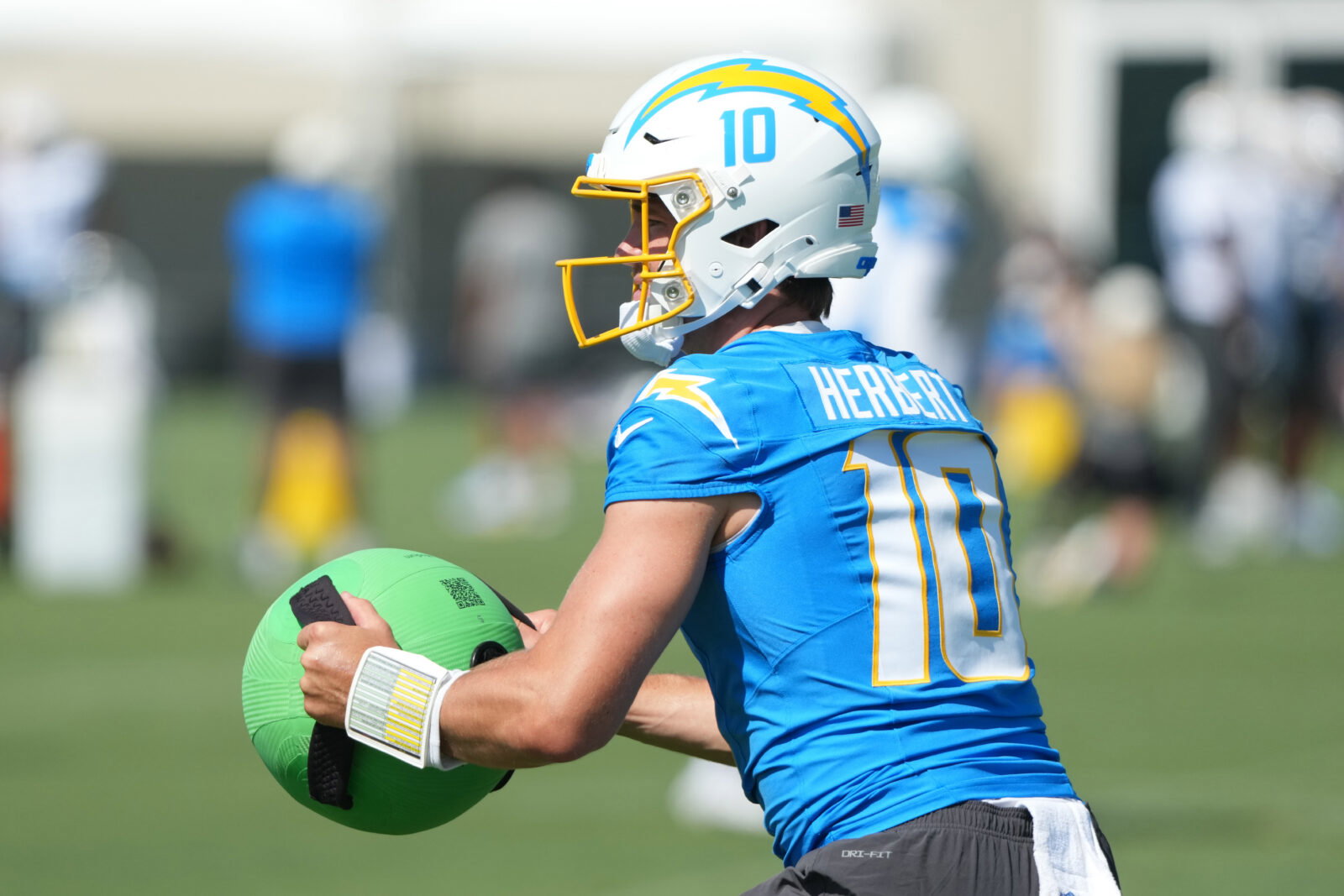
McDaniel arrives with one of the league’s strongest offensive reputations after designing creative, adaptable schemes throughout his coaching career. His arrival immediately raises expectations surrounding how efficiently the Chargers can utilize Justin Herbert’s skill set across a full season.
Strong offensive line play should provide an ideal platform. Joe Alt continues developing into one of the league’s premier young tackles, while Rashawn Slater remains among the NFL’s most dependable pass protectors. Their presence gives Los Angeles a stable foundation capable of supporting both the passing and running games.
The Chargers also reinforced leadership on the defensive side by committing to Derwin James Jr. through a significant contract extension. Retaining one of the team’s most influential defensive leaders demonstrated confidence in continuity rather than pursuing wholesale roster change.
Collectively, these decisions suggest LA believes improvement can come through maximizing existing talent instead of replacing large portions of the roster. Coaching expertise, O-Line stability and defensive leadership now form the foundation of the Chargers’ preparations as they seek greater consistency throughout the upcoming campaign.
Lions Focus on Structural Continuity and Change
Detroit entered the offseason determined to respond constructively after a disappointing campaign. Rather than introducing sweeping changes throughout the roster, head coach Dan Campbell oversaw a measured process that combined continuity in key areas with targeted adjustments where improvement was considered essential.
One of the most significant developments came on the coaching staff. Drew Petzing replaced John Morton as offensive coordinator, bringing fresh ideas while focusing on maintaining the physical identity that has defined Detroit’s offense in recent seasons. The appointment reflects an effort to evolve the scheme without abandoning established principles.
Significant change also arrived along the offensive line following Taylor Decker’s departure. His exit created one of the offseason’s biggest personnel questions and required Detroit to reconsider how best to align one of its strongest position groups before Week 1.
The solution involved shifting Penei Sewell from right tackle to left tackle, placing one of the league’s premier linemen in a position traditionally responsible for protecting the quarterback’s blind side. That adjustment inevitably created another vacancy elsewhere along the line.
Detroit addressed the resultant need during the draft by selecting Miller, providing additional depth and developmental potential. Together, the coaching adjustment and offensive line restructuring illustrate a balanced approach that preserves the Lions’ identity while adapting to important offseason departures.
Commanders Undergo Major Coaching Staff Changes
Few teams experienced more significant leadership changes than Washington. The dismissals of offensive coordinator Kliff Kingsbury and defensive coordinator Joe Whitt Jr. became the defining storyline of the offseason, shifting attention toward the coaching staff rather than player acquisitions.
Kingsbury’s departure surprised many observers because Washington ran the ball effectively despite injuries and inconsistent overall offensive results. While injuries contributed to uneven production, the decision reflected broader concerns about restoring the offense after a 5-12 season.
Greater scrutiny surrounded the defense. Under Joe Whitt Jr., Washington struggled to deliver the consistency required to compete against the league’s better offenses. Those defensive shortcomings frequently placed additional pressure on the team and became a central factor behind the coaching changes.
Quarterback Jayden Daniels added another layer of complexity. Daniels’ limited and inconsistent availability complicated evaluations of both the offensive system and the coaching staff’s effectiveness throughout the campaign.
Those circumstances naturally prompted broader discussion regarding head coach Dan Quinn’s level of accountability. While the coordinator changes represented decisive action, some questioned whether responsibility should have extended beyond the assistants. How Washington responds under its revised coaching structure will become one of the league’s more closely followed storylines entering the 2026 regular season.
Four Different Paths Forward
The Eagles, Chargers, Lions and Commanders each approached the offseason with distinct priorities shaped by their recent experiences. Philadelphia emphasized long-term roster flexibility, Los Angeles invested in offensive coaching change and veteran continuity, Detroit balanced structural adjustments with stability, while Washington reshaped its leadership group.
These contrasting strategies illustrate that there’s no single blueprint for building a competitive team. The effectiveness of each approach will become clearer as the 2026 regular season begins and early performances provide meaningful answers.











Leave a comment