

The WNBA is riding a wave of unprecedented popularity, strengthened by a $2.2 billion media deal over the next 11 years. It’s a significant increase from its previous ESPN contract.
But here’s the cold, hard truth:
The league and its players aren’t ready for this moment.
The WNBA and its supporters have misread the reasons for their surge in relevance. They are ill-equipped to handle the flood of money, and more importantly, attention coming their way.
From NBA subsidies to a disconnect with its fan base, the WNBA finds itself stumbling into the spotlight. And the cracks are already showing.
Subsidized by the NBA: A Crutch, Not a Crown
Let’s first acknowledge the elephant in the room.
The WNBA depends largely on the NBA, which owns roughly 60% of the league.
The WNBA’s story is not one of organic growth. It’s a tale of financial life support. The NBA’s deep pockets have kept the WNBA afloat since its inception in 1996. The league survived despite historically low revenue.
The WNBA’s new media deal, negotiated by the NBA, is a massive leap. But their newfound visibility isn’t entirely on their own doing. They are riding the coattails of the NBA’s negotiating power and the broader interests in women’s sports. But they haven’t cracked the code to stardom and attention on their own.
Social Justice vs. Entertainment
The WNBA has long branded itself as a beacon of social justice, prioritizing activism over entertainment. The proof is in the league’s own mission statement.
Players have championed causes from racial equity to gender issues. These are noble causes, but fans are ultimately tuning in for entertainment.
The league’s viewership spiked in 2024, as seen by the 2.45 million people who watched the draft. But this was driven by electrifying and polarizing talents like Caitlin Clark and Angel Reese.
https://twitter.com/ESPNPR/status/1780382183661666757
And the fan base, which is largely male and basketball-obsessed, craves highlight reel plays, not political talking points. The players’ failure to emphasize entertainment risks alienating the very audience fueling this surge.
The All-Star Flop: A Missed Opportunity
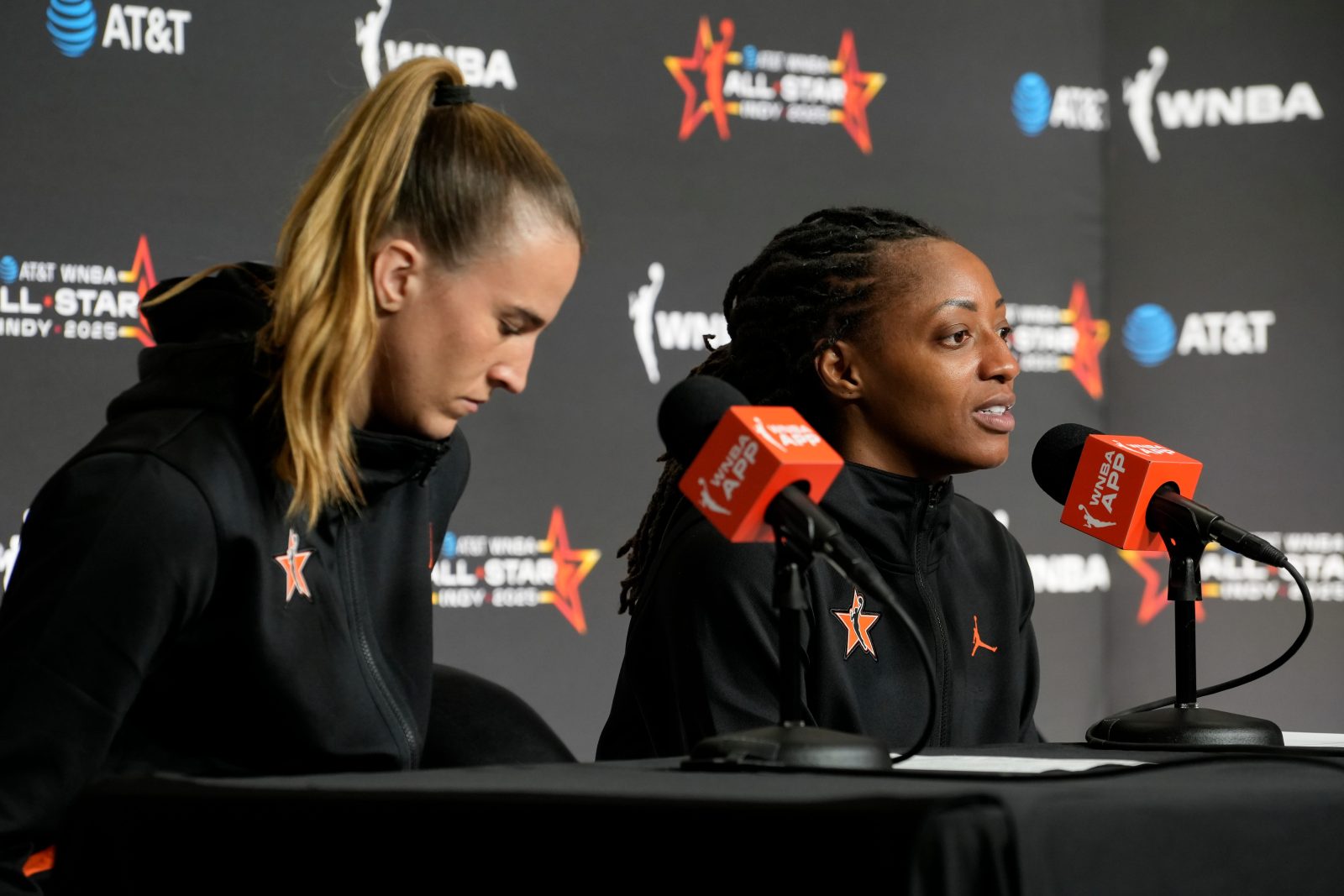
The 2025 WNBA All-Star game was a golden opportunity to capitalize on the league’s momentum. But it flopped hard. Yes, it was the second-most-watched All-Star game in league history. But it was down 36% from last year’s viewing.
Caitlin Clark’s absence contributed to the drop in viewership. But with her absence, the players and league missed a tremendous chance to showcase other players’ talents on other teams.
Candace Parker tried explaining this to Aliyah Boston on a recent podcast. The league needed to prioritize entertainment to keep fans engaged. But the lackluster and embarrassing effort by the players failed to capitalize on increased fan interest.
And it could be foreshadowing that the league as a whole isn’t ready to sustain the hype without its brightest star.
Jealousy and Readiness Exposed
Caitlin Clark’s rookie season highlighted deeper issues. Players showed visible frustration with her spotlight, and the league wasn’t prepared for the scrutiny Clark’s fame brought.
https://twitter.com/Wankstablook/status/1948369066617434125
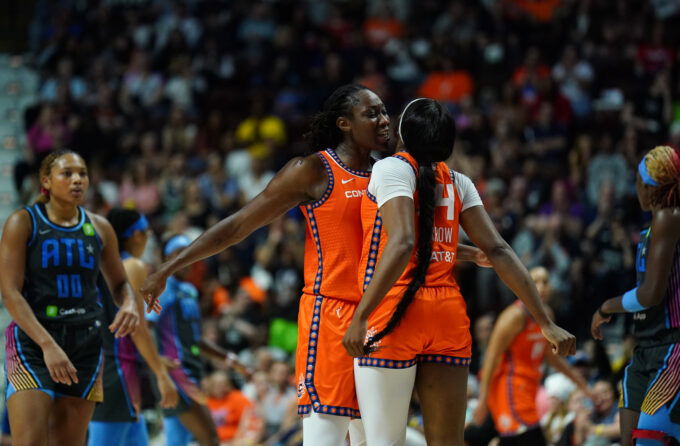
This point was hammered home when USA Today’s Christine Brennan questioned Connecticut Sun’s DiJonai Carrington about swatting Clark during a playoff game.
There was significant backlash, including a player’s union demand to revoke Brennan’s credentials.
But this isn’t just about one incident. It’s a symptom of a league ill-prepared for the scrutiny that comes with mainstream attention and reporting.
Berating officials and dodging reporters further alienates fans and media, who are critical to the league’s growth.
Players are used to operating in a bubble where tough questions are rare. Clark’s fame has burst that bubble, and they’re not handling it well.
DeWanna Bonner‘s Quiet Exit: A Missed Story
DeWanna Bonner’s absence from the Indiana Fever, which started on June 12, for “personal reasons,” was an underreported storyline.
The six-time All-Star was signed to a $200,000 deal to bolster the Fever’s defense.
But she played in just nine games, averaging 7.1 points, 3.8 rebounds, 1.6 assists, and 1.1 steals.
She was benched for Lexie Hull after a rough start and didn’t return before being waived on June 25th.
The media barely touched the story, despite Bonner’s stature and the Fever’s high-profile roster with Clark and Boston.
Her return on July 30 with the Phoenix Mercury drew boos from Fever fans. And this prompted Kahlea Cooper to slam their “distasteful” behavior, citing Bonner’s legendary status and “sweet soul.”
Money Pitfalls: Fame’s Double-Edged Sword
With the union likely to opt out of the CBA, salaries could increase significantly. But incidents like Angel Reese’s “racial sounds” claim — based on hearsay, sparking a league investigation — show even high-profile players aren’t ready for fame’s pressure.
A recent incident saw a fan ejected for mocking Dearica Hamby‘s wig coming off during play.
The fan’s taunt was tasteless, but met with swift overreaction, signaling players’ discomfort with the uglier side of fandom. It highlighted the league’s lack of thick skin.
Players must embrace their new role as entertainers and take themselves less seriously to connect with the audience, driving ratings.
Sudden wealth brings attention, off-court drama, and risks like financial mismanagement. The WNBA’s sheltered culture hasn’t prepared its stars adequately to deal with this like their NBA counterparts.
Seize or Squander
The WNBA’s moment is here with a blockbuster deal, and stars like Clark, Reese, and Paige Buekers, who can pull in even more fans. But the league is currently not ready for the increased exposure.
https://twitter.com/WomensHoops_USA/status/1933011426324414832
The NBA’s subsidies won’t last forever, and neither will fans’ patience.
The WNBA must embrace its new role in entertainment and handle the spotlight with better professionalism.
Otherwise, this golden moment will slip away like another missed shot.









Leave a comment