

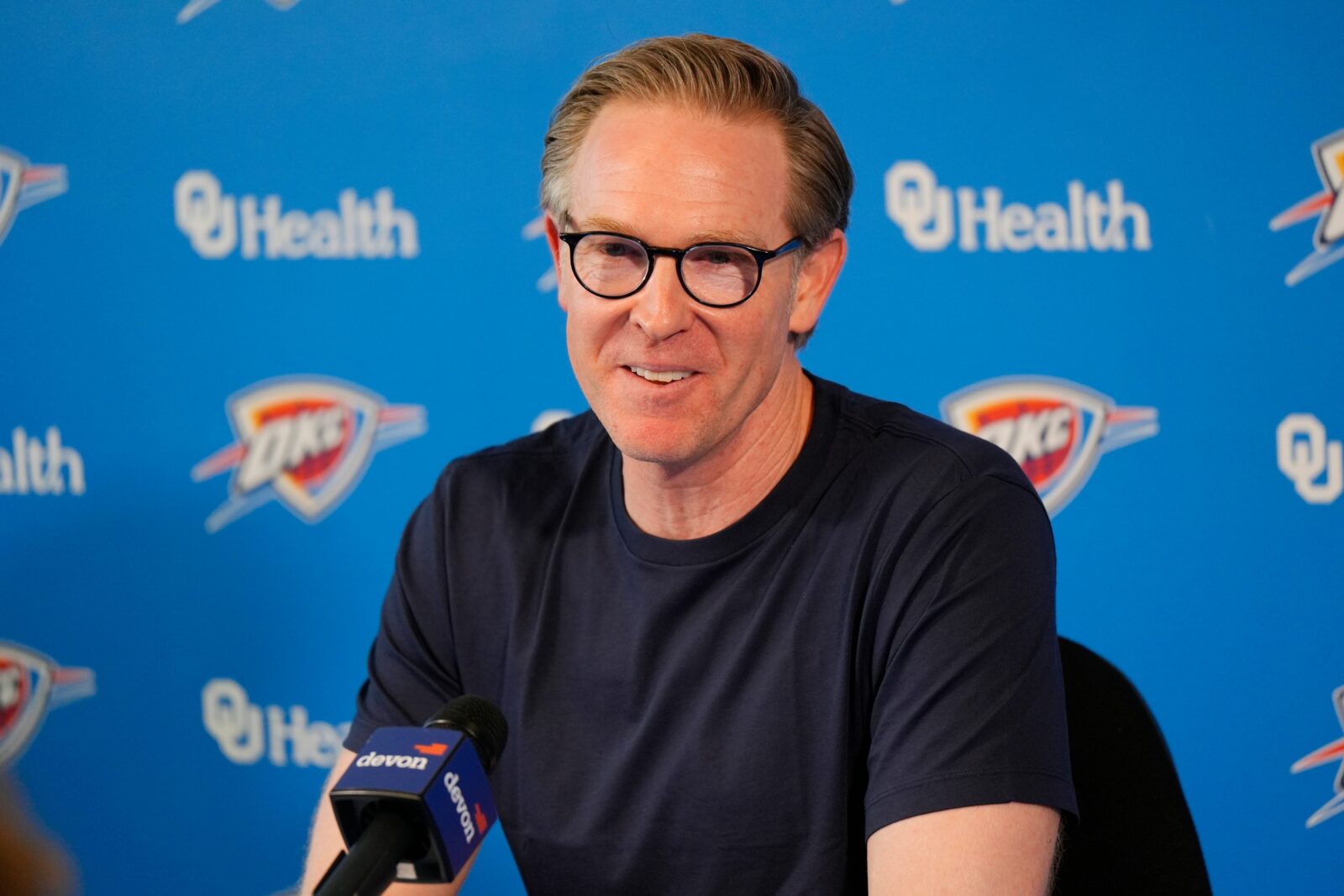
In the modern NBA, championships are often won not just on the hardwood during the grueling months of the regular season and playoffs, but in the corporate, air-conditioned front offices during the summer.
The NBA offseason has evolved into a highly dramatic spectacle of its own, generating almost as much media coverage, social media hysteria — like the endless Giannis rumors — and fan engagement as the actual NBA Finals. Through a highly complex web of salary cap gymnastics, blockbuster trades and strategic draft-day maneuvers, general managers attempt to construct rosters capable of toppling established dynasties.
The balance of power in pro basketball is fragile and heavily dependent on a very small pool of elite, superstar talent. One star player deciding to change zip codes in free agency can instantly elevate a struggling team into a legitimate title contender overnight.
What Are NBA Fans and Analysts Alike Looking Forward To This Offseason?
When evaluating the impact of offseason moves, sports analysts, media members, scouts, executives and some diehard fans closely monitor several avenues:
- Superstar Free Agency: The rarest and most impactful moves. When franchise cornerstones test the open market, it instantly alters the league’s competitive gravity and dictates the immediate future of multiple organizations.
- The Blockbuster Trade: High-risk, high-reward gambles where desperate front offices trade a massive haul of future draft picks and promising young talent for an established, aging veteran in a bid to win a championship immediately.
- Salary Cap Surgery: Subtle but vital administrative moves involving offloading bloated contracts to clear financial space. This provides teams with the flexibility to acquire essential depth pieces and role players.
- The Draft Night Steal: Identifying and securing transformative rookie talent that fits perfectly into the team’s system without burdening the salary cap.
For the diehard basketball fan, understanding these complex offseason moves is a thrilling exercise. Even casual fans love to forecast how a newly constructed starting five will gel on the court, debating nonstop with other fanbases about whether their team can go the distance.
To test these predictions against the market, sports enthusiasts frequently look for valuable free bets offers provided by premier platforms. Using these promotions allows fans to back their offseason theories without risking their bankroll. It effectively transforms casual sports fans into diehards.
The New CBA and the Terror of the ‘Second Apron’
The NBA offseason has been altered by the league’s new Collective Bargaining Agreement (CBA). It imposes severe financial penalties on high-spending teams. In 2026, front offices can no longer attempt to buy a championship by outspending their rivals and absorbing luxury tax penalties. The introduction of the first and second “tax aprons” has turned roster building into an incredibly restrictive financial puzzle.
Teams that cross the second apron face crippling penalties: they lose access to mid-level exceptions, their first-round draft picks can be frozen and pushed to the end of the draft, and they are severely restricted in trades they can execute.
This financial reality has forced a significant shift. Front offices must now value cheap, young talent and prioritize long-term roster flexibility over the temptation to acquire high-priced superstars, making general managers’ work more challenging than ever.
The Fragility of Roster Chemistry and Spatial Fit
While compiling a roster of perennial All-Stars looks spectacular on paper and generates massive social media hype, the defining test of any offseason move is on-court chemistry. Basketball is a game of spacing, split-second timing and delicate ego management. A general manager must ensure that a newly acquired superstar’s playing style meshes seamlessly with the existing system.
Bringing in a ball-dominant, isolation-heavy guard to a team that thrives on rapid ball movement and perimeter passing can disrupt the entire offensive flow. The most successful offseason moves in NBA history are those that not only acquire elite individual talent but also perfectly solve a deficiency within the squad— like adding an elite rim protector or a reliable corner three-point shooter.
Let’s Get Ready to Rumble
The NBA offseason has become the ultimate chess match of professional sports. It is an environment where data science, contract law, human psychology and athletic talent intersect. As the league continues to enforce stricter financial parameters, the teams that consistently compete for championships will not be those with the deepest pockets, but those with the smartest front offices.
For the fans, this year-round drama ensures that the excitement of the NBA never truly stops, making every trade rumor and draft selection a potentially league-altering event.











Leave a comment