

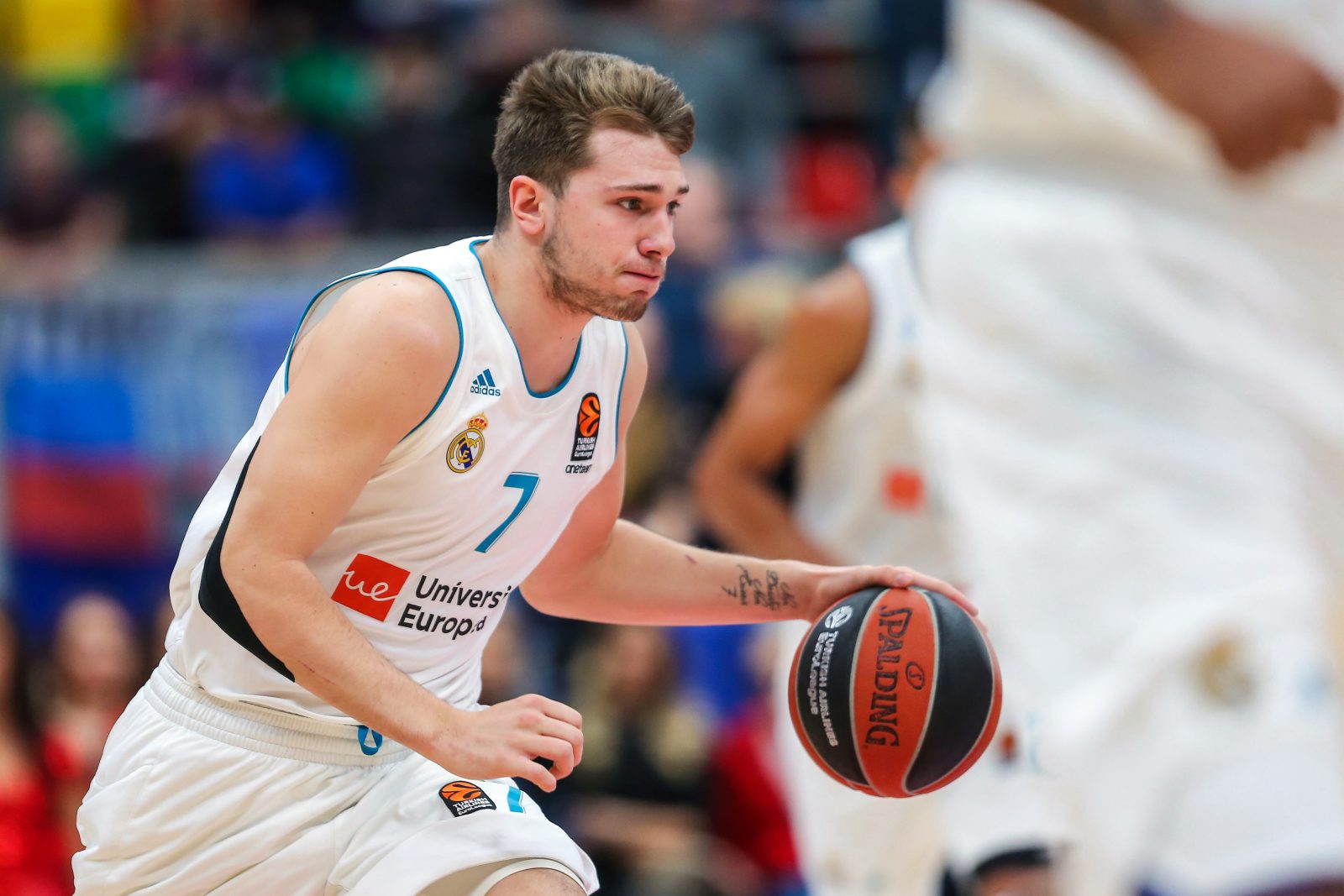
Basketball is the same sport at its core, but the way it is played in the NBA and the EuroLeague demonstrates how context, rules, and culture shape the game.
Both leagues demand skill, athleticism, and teamwork, yet the differences are significant enough that players, coaches, and fans experience the sport in fundamentally distinct ways. Understanding these differences helps both casual fans and enthusiasts appreciate the nuances beyond the scoreboard.
Playing Styles: Individual Talent vs. Team Discipline
The NBA is widely recognized for its emphasis on individual athleticism and star-driven performances. Many games are shaped around one-on-one situations, isolations, and players exploiting their physical advantages. The style encourages players to create scoring opportunities independently and rely on sheer speed, agility, and power to dominate the court. Just as NBA fans enjoy the thrill of watching standout performances, online casino players can experience similar excitement by claiming a Stay Casino app download, which allows them to try new games without initial financial risk.
In contrast, EuroLeague basketball prioritizes teamwork, coordinated movement, and tactical discipline. Players often set screens, move without the ball, and execute intricate plays designed to maximize team efficiency. Defensive rotations and strategic positioning are critical, and coaches expect players to adhere to detailed game plans. While athleticism is important, intelligence, timing, and collaboration are equally valued.
This distinction does not imply that one system is superior. Instead, it reflects how league structures, game rules, and cultural approaches to basketball shape player behaviour. NBA games may appear more “open” and highlight individual feats, while EuroLeague games emphasize collective strategy and technical execution.
Rule Differences and Their Influence
Rules in each league reinforce these styles. Even seemingly small variations significantly affect pacing, spacing, and strategy:
| Aspect | NBA | EuroLeague (FIBA) |
| Quarter Length | 12 minutes | 10 minutes |
| 3-Point Line Distance | 23’9″ (7.24 meters) | 22’1.75″ (6.75 meters) |
| Fouls for Ejection | 6 | 5 |
| Defensive 3-Second Rule | Yes | No |
| Game Clock Management | More flexible w/ timeouts, stoppages | Stricter timing, faster resets |
The NBA’s longer quarters and slightly wider court encourage faster transitions, increased scoring opportunities, and more space for isolation plays. By contrast, EuroLeague rules support structured offensive sets, defensive discipline, and tactical spacing. The NBA’s defensive three-second rule, for example, creates space near the basket for attackers, while EuroLeague teams operate under tighter paint restrictions, emphasizing zone coverage and teamwork.
Coaching Philosophy and Tactical Impact
Coaches are central to defining a team’s style, and their roles differ markedly between the two leagues. European coaches are highly regarded for their tactical expertise, particularly in defence. Teams such as FC Barcelona, Real Madrid, Anadolu Efes, and Olympiacos have long demonstrated disciplined systems prioritizing rotations, strategic fouls, and coordinated play. Coaches in Europe often develop their players within club systems over years, refining decision-making, positioning, and defensive awareness.
In the NBA, coaches must balance strategy with managing star players, frequent games, and extensive travel schedules. Teams may play multiple games per week, leaving less time for in-depth tactical training. Here, a coach’s role extends to player management, rotations, and handling media scrutiny. As a result, NBA coaches often operate more like team managers, making critical decisions on player usage and workload while adjusting strategies on the fly during the season.
Historical examples highlight these contrasts. David Blatt, who won the EuroLeague with Maccabi Tel Aviv in 2013-14, faced the challenge of adapting his European coaching philosophy when he became the Cleveland Cavaliers’ head coach. It was evident that Blatt couldn’t balance the NBA’s packed schedule, star-centric rosters, and shorter practice windows.
Meanwhile, coaches like Quin Snyder, who spent time in European leagues before returning to the NBA, demonstrate how exposure to multiple basketball cultures can enhance tactical versatility.
Player Development Pathways
The path to professional basketball also differs significantly. Many European players rise through structured club academies, receiving years of technical training and tactical education before reaching professional leagues or being recruited to the NBA. This system emphasizes long-term development, technical skills, and game intelligence.
In contrast, NBA players often enter the league through college basketball programs or directly from international leagues, frequently joining at a younger age and before fully maturing as players. While this accelerates exposure to high-level competition, it also means players may need to adapt quickly to professional demands, both physically and mentally.
The increasing migration of European talent to the NBA has created hybrid players who combine the technical fundamentals of European basketball with the athleticism and individual playstyle of the NBA. Stars like Luka Dončić and Giannis Antetokounmpo illustrate how these blended skill sets can thrive on both continents, bridging the stylistic gap between the leagues.
Luka was even the youngest player ever on Real Madrid.
Cultural and Structural Differences
Beyond tactics, league culture, finances, and organizational models play a role. The NBA functions like a franchise-based commercial system, with media rights, sponsorships, and shareholder expectations exerting substantial influence over team decisions. Coaches and management are accountable to owners, media scrutiny, and fans in a highly competitive commercial environment.
In Europe, clubs often operate under different pressures. National league obligations, multi-year development plans, and community-oriented goals shape decision-making. While sponsorships and media coverage are growing, European clubs often prioritize long-term stability and player development over immediate financial returns.
Game Intelligence and Strategic Nuance
European basketball places a premium on situational intelligence, including clock management, offensive spacing, and defensive positioning. NBA basketball often favours physicality, improvisation, and high-tempo plays. However, both leagues have evolved. Modern NBA teams increasingly emphasize ball movement and collective defence, while EuroLeague teams adopt faster transition strategies and focus on perimeter shooting.
Even the refereeing style contributes. European officials often strictly enforce rules on positioning and fouls, while NBA referees allow a degree of discretion, leading to subtle differences in gameplay and team strategies.
Key Takeaways
- NBA style prioritizes individual skill, high tempo, and athletic dominance.
- EuroLeague style emphasizes teamwork, tactical discipline, and technical precision.
- Rules: differences in game duration, foul limits, and spacing influence style.
- Coaching: European coaches focus on tactics; NBA coaches balance strategy with roster and media











Leave a comment