

It’s one of those ideas that gets repeated so often in betting circles it starts to sound like settled fact: casual money floods primetime games, drags the line away from where sharp money thinks it belongs, and leaves value on the side the public isn’t backing. Before checking the latest NFL betting odds for this week’s Sunday Night Football slate, it’s worth actually testing whether that theory holds up, rather than just repeating it.
What “Primetime Bias” Actually Claims
The theory runs like this: casual, recreational bettors watch more football on Sunday night than at 1pm on a Sunday afternoon, because it’s the one true standalone game of the week with nothing else competing for attention.
That extra eyeball count is assumed to translate into extra public betting volume, which sportsbooks then have to balance by moving the line further than the pure football case would justify — creating value on the side the public is ignoring.
Line Movement on Sunday Night Football
In practice, SNF lines do move, sometimes sharply, across the week. Openers shifting by a full point or more by kickoff is routine rather than rare. The harder question is whether that movement is bigger, on average, than a comparable Sunday afternoon game.
Books do talk about “public” sides drawing heavier one-way tickets — often teams with the biggest national following, regardless of the time slot they’re playing in.
The Control: a 1pm Slate the Same Week
Run the same exercise on an early Sunday afternoon game featuring two mid-market teams, and line movement tends to be driven by the same handful of factors as primetime: injury news, weather, and a genuine shift in market opinion, rather than time-slot-driven public volume on its own. That’s the tell.
If primetime bias were a standalone effect, SNF lines should move further than 1pm lines even after controlling for injury news and the quality of the matchup. The evidence for that extra, slot-specific push is thinner than the folk theory suggests.
The Public-Team Confound
This is the part that matters most. Teams like the Cowboys, Chiefs and Steelers show up on Sunday night more often than most. It’s not because primetime creates public betting on its own, but because national broadcasters deliberately schedule big-following teams into the primetime slot.
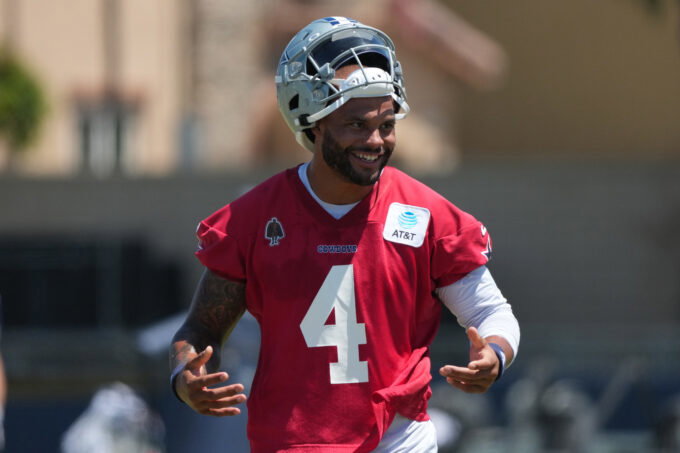
Historically, the Dallas Cowboys have the most SNF appearances of any franchise with 68 and are the most-bet SNF team of all time. Separate those two things out and a lot of what looks like “primetime bias” is really “popular team bias” that happens to cluster in the primetime slot, rather than being caused by it.
The 2025 NFL season remains a very good lesson of what not to do. Bettors backing Dallas in primetime did not do great. They had three SNF primetime games and lost all of them. Will they do better in 2026? They might, especially given that their SNF fixture list looks good, especially the Week 1 game against the NY Giants. But it all comes to whether the Cowboys fixed their defensive issues. Otherwise, the Giants’ second-year QB Jaxson Dart could run riot on them.
What Sharps Reportedly Do
Professional bettors are widely said to bet primetime lines earlier in the week than they would a 1pm game, precisely because they expect the public side to shorten as kickoff nears. Whether that’s a reaction to genuine primetime bias, or just sharps getting ahead of popular-team money that would cluster on those sides in any time slot, is exactly the distinction the theory usually skips over.
The Verdict
Primetime bias, as a standalone effect separate from popular-team bias, is weaker than the folk wisdom suggests. The bigger, more reliable driver of lopsided line movement is which teams are involved, not what time they kick off.
Sunday night amplifies the effect because it disproportionately features the league’s most popular sides — but the mechanism is the team, not the clock. Bet the popular-team angle, not the time slot.









Leave a comment