

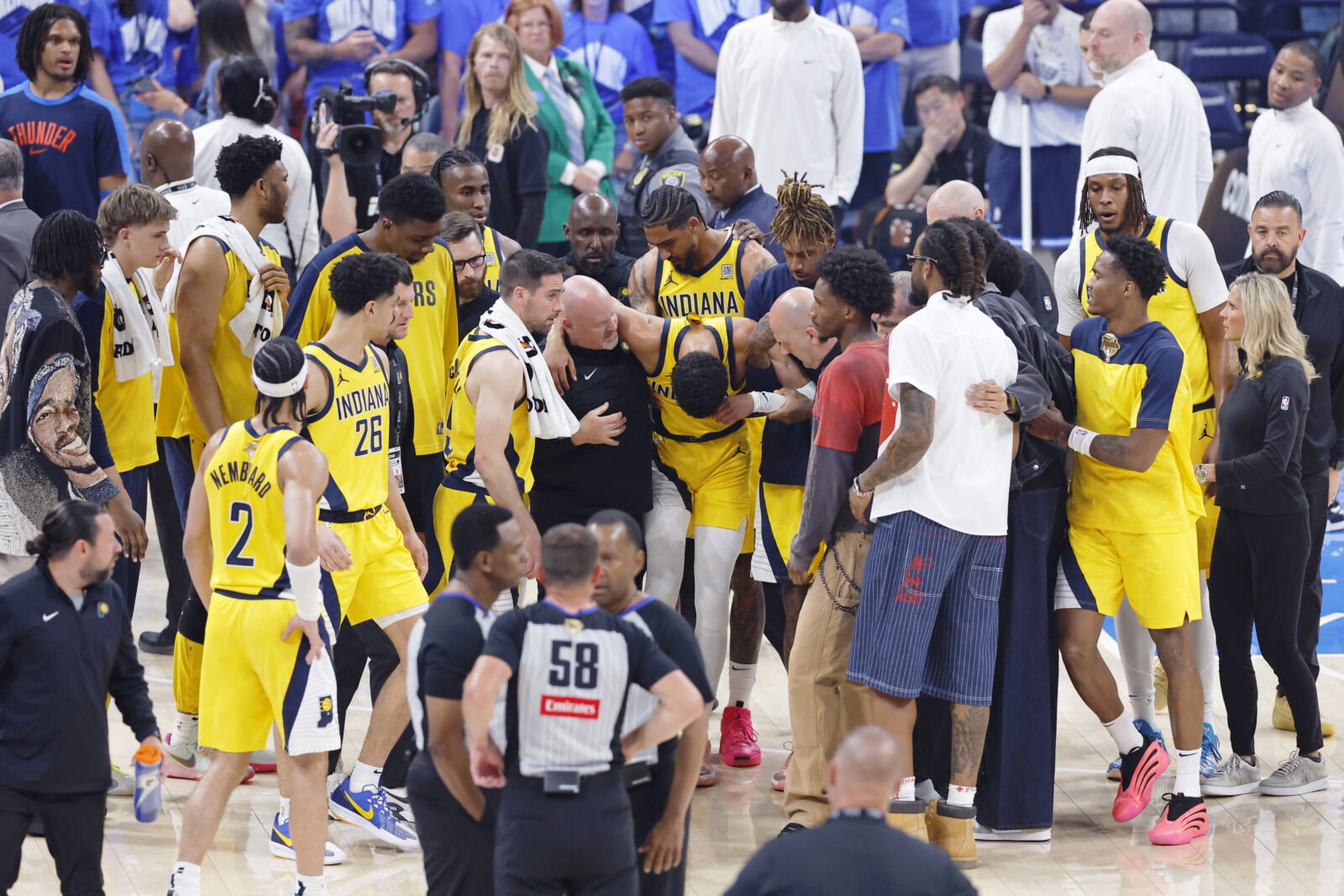
It’s a club no athlete wishes to be in. One moment, chasing a childhood dream in front of 20,000 fans. The next moment, watching those dreams flash before one’s eyes, vanishing into an air of uncertainty.
Season-ending injuries are an inherent part of sports; the journey back to play can be an isolating one.
The NBA’s community of current players who have experienced a season-ending injury has grown into a support system. While they can’t magically heal one another, they can be a guiding light in the dim tunnel back to NBA basketball.
Forming a Support System
In the Achilles-injury club, several players have offered themselves up for support. Ever since Pelicans guard Dejounte Murray tore his Achilles last January, he has been a leading figure for those who endured the same injury.
Murray is no stranger to difficult injuries, as he previously battled a torn ACL and broken hand. When Jayson Tatum tore his Achilles in May 2025, Murray was an ally in his corner.
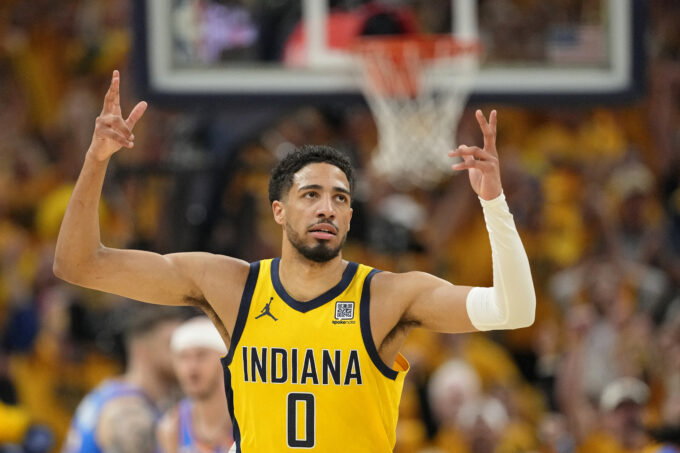
The support and guidance from Murray carried over to Damian Lillard and Tyrese Haliburton. Along with Tatum, Lillard and Haliburton both tore their Achilles last playoffs. Though each player got injured at different times, that didn’t stop them from staying in touch.
“We’ve all been in communication,” Tatum said in September. “Dejounte Murray is somebody – Dame, Tyrese – that I’ve talked to throughout. It all happened this season and we’re all at different points of our rehab and recovery… I text Dame and Dejounte all the time because they’re ahead of me (rehabbing).”
https://twitter.com/ClutchPoints/status/1970530532506345510
Tatum’s injury occurred most closely to Haliburton’s, who relied on him for encouragement and positivity. Tatum also provided a heads up on what to expect next in rehab because he was one month ahead.
“Me and Jayson talk pretty often, probably once every week, once every couple weeks,” Haliburton revealed. “I think he’s kind of helped me stay upbeat, especially early, you know. He was a great person for me to talk to, kind of lean on…”
The two already had a bit of a relationship prior to getting injured. They both share the same trainer, Drew Hanlen, and were teammates at the 2024 Olympics.
“He’s been showing me what he’s been doing; I’m showing him what I’m doing. Kind of looking out for each other, cheering each other on from afar.”
Relationships for Life
The group’s connectivity has not only provided comfort in difficult times, but it has also fostered deeper relationships. While Haliburton previously had a relationship with Tatum and fellow Achilles club alumni Kevin Durant, he didn’t know Dejounte Murray personally. Going through his rehab journey created a bond between the two.
“Dejounte has been great for me,” Haliburton said. “We didn’t really have that cool of a relationship, it was just an NBA relationship, but Dejounte has checked on me so much since I’ve gotten hurt. Dejounte’s just a solid dude and I appreciate him very much.”
One player that all of the recently injured look up to in Achilles rehab is Durant. Durant is the prototypical example of an NBA athlete playing at an elite level following a torn Achilles. Seven years removed, he has served as the point of reference since his injury back in 2019. The 37-year-old even stopped by Haliburton’s house to check in on him last summer following his injury.
As each member graduates out of the club, the others continue to cheer them on.
Dejounte Murray was the first member who got injured last year to return to the court. On Murray’s Instagram post commemorating his first game back, Tatum and Haliburton expressed their joy in watching him take the floor again. Murray dished the love back, voicing his eagerness to see them follow suit.
Tatum’s comeback has been particularly inspiring, as he returned just 10 months post-surgery. His fast turnaround has Haliburton, two years younger, optimistic about his own basketball outlook. With Murray and Tatum making their way back to NBA basketball already, Haliburton is next in line.
Being There for Each Other
One difficult truth about the Achilles clique is that it is ongoing. Just as players exit out, new ones are forced in. Donte DiVincenzo is the latest player to find himself a part of that group. The Timberwolves announced DiVincenzo tore his Achilles in Game 4 of the first round of the playoffs against the Nuggets.
Tatum, Haliburton, and Durant’s injuries all came at untimely moments — just as their teams were deep into a race for a championship. Durant’s and Tatum’s came at the worst times, in Game 5 and Game 7 of the NBA Finals.
DiVincenzo’s Timberwolves had high expectations of winning the NBA title this season, exacerbating the loss of the prolific sharpshooter. He was one of 18 players to play all 82 games this season, making his sudden injury a shock. Regardless of the uphill battle he has to climb, he won’t be going through this process alone.
Tatum was “sick to my stomach” after watching DiVincenzo go down, fully aware of the long journey he has ahead of him. Despite not knowing him well, the Celtics star has already stated he will make it a point to be there for him.
“I only know him from competing against him and things like that, but I know for a fact I’ma reach out to him at some point,” he said. “He has me in his corner — whether he going to like it or not.”
https://twitter.com/NBAonPrime/status/2048817028799107363
The gesture meant a lot to Timberwolves’ Head Coach Chris Finch, who called Tatum’s words classy and compassionate. He also mentioned the Celtics star as a great example of what’s possible, and confirmed to reporters that DiVincenzo had heard Tatum’s comments.
Sense of Unity
The mental and emotional toll that a season-ending injury has on players is just as significant as the physical. Daily routines are snatched away; independence is compromised. The wave of doubts that crashes over can seem never-ending.
“I think this Achilles thing,” Haliburton said, “it brings people together, and I think that’s important.”
“And in the NBA, there’s a few of us going through the same thing, and us being able to check on each other is important.”
No one understands the devastation and heartache like those who have firsthand experienced the setback. This selective NBA fraternity creates a unique kind of empathy that few people in the world can grasp.
There’s no denying that DiVincenzo has a long road ahead of him. But one thing is for certain: He won’t be alone.











Leave a comment