

The NBA has always had stars. That part is nothing new.
What has changed is how fans attach themselves to the league. The logo on the jersey still matters, but for a growing number of viewers, the player wearing it matters more. Fans follow storylines, clips, podcasts, fantasy teams, player props, trade rumors, and social feeds as much as they follow the standings.
That shift has changed how people engage with basketball around the edges, too. The modern fan experience now stretches from highlight culture to fantasy, odds discussion, and more personalized platforms, including a custom limit sportsbook built around tailored betting experiences. The game is no longer just watched. It is tracked, clipped, debated, predicted, and repackaged in real time.
The Player Has Become the Main Product
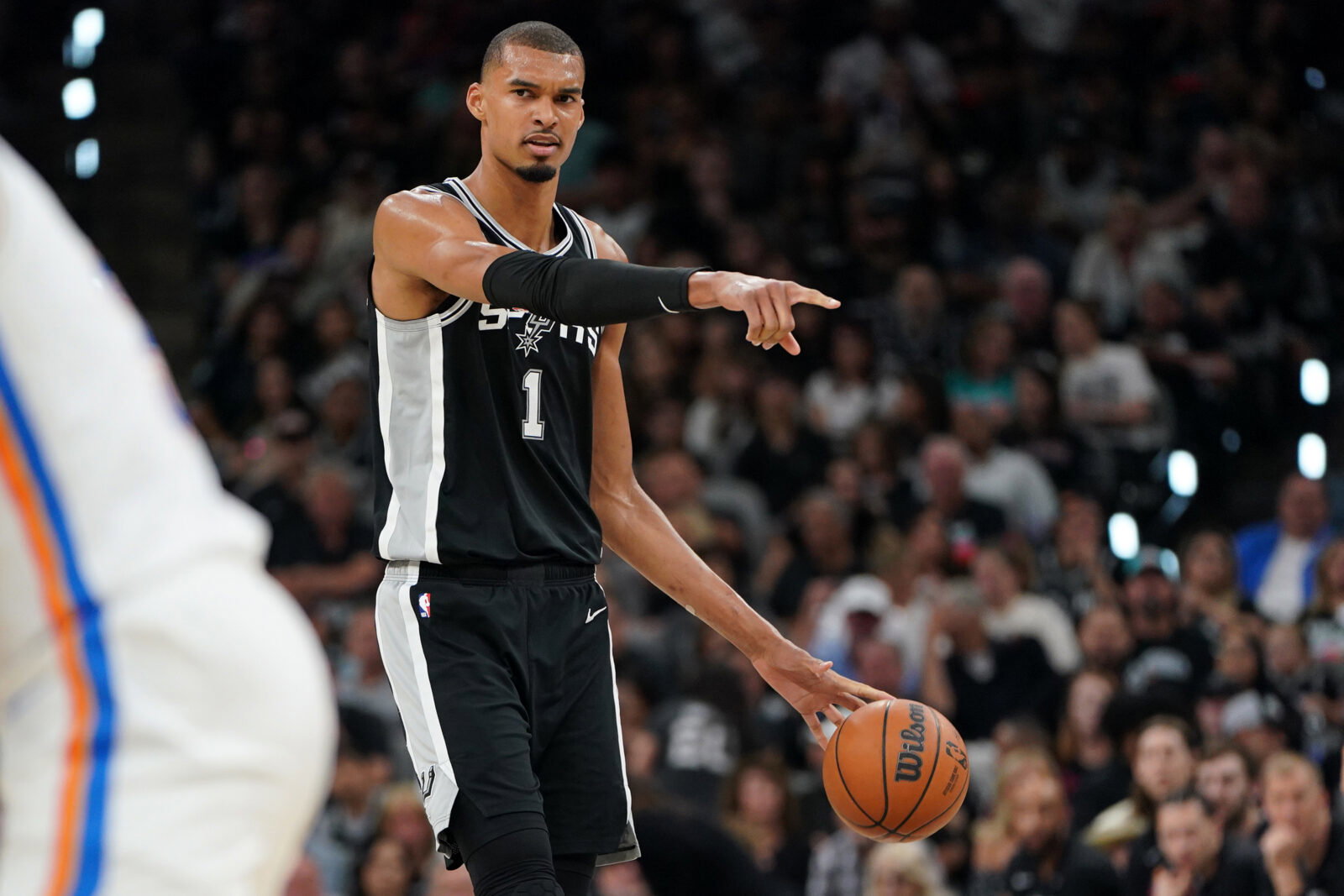
The NBA is easier to market through people than institutions. LeBron James is not just a Laker. Stephen Curry is not just a Warrior. Luka Dončić, Giannis Antetokounmpo, Nikola Jokić, Victor Wembanyama, and Anthony Edwards all bring their own gravitational pull.
A fan may tune in because Wembanyama is doing something weirdly impossible, because Ant said something hilarious, or because Jokić is quietly dismantling another defense like he is solving a puzzle at breakfast. The team creates the setting, but the personality often drives the attention.
That is not necessarily a bad thing. In many ways, it is why the NBA remains so culturally strong. The league has always understood that stars sell. The difference now is that stars do not need the league’s full media machine to reach fans. They are the media machine.
Social Media Made Every Star Their Own Franchise
Social media changed the hierarchy. A player’s tunnel fit can travel faster than a box score. A workout video can start a week-long debate. One podcast quote can reshape the way fans talk about an entire locker room.
Instagram, TikTok, YouTube, and player-led podcasts have made NBA players feel more accessible than ever. Fans do not only see them between the lines. They see their jokes, clothes, training habits, friendships, brand deals, frustrations, and off-court interests.
That creates a different kind of loyalty. A 16-year-old fan in London, Atlanta, or Manila does not need to inherit a team from their father or local TV market. They can discover Ja Morant highlights, follow Anthony Edwards interviews, or watch Wembanyama clips and build their NBA identity from there.
Player Movement Trained Fans to Follow Individuals
Free agency and trade culture pushed this even further. When stars move, fans often move with them. LeBron going from Cleveland to Miami to Cleveland to Los Angeles changed how a generation understood loyalty. Kevin Durant’s career became a running debate about rings, legacy and team choice. If Stephen Curry or Giannis ever don different threads, how many fans will follow them wherever they might go?
The transaction cycle never stops. Every offseason becomes a drama. Every trade deadline becomes a content factory. Every unhappy star becomes a possible future headline.
That trains fans to think less like locals and more like followers of individual careers. The question is no longer only, “Can my team win?” It is also, “Where does this player’s story go next?”
The NBA Is Winning Culturally, But Teams Face a Challenge
The league benefits from this. Star-driven fandom keeps the NBA relevant even when certain teams are bad. If the Spurs are rebuilding, Wembanyama still gives people a reason to watch. If the Grizzlies struggle, Ja Morant still moves the conversation. If the Timberwolves are suddenly dangerous, Anthony Edwards can turn them into must-see television.
But there is a challenge here for franchises. Teams cannot become interchangeable backdrops. Local identity still matters. History still matters. Arenas, rivalries, jerseys, fans, and city culture are still what turn attention into belonging.
The smartest franchises will not fight the personality era. They will use it. They will build around stars in a way that makes the team feel bigger, not smaller. The Warriors did that with Curry. The Nuggets are doing it with Jokić. The Knicks, when they are good, still remind everyone that market identity can be its own superstar.
What This Means for the Next Generation of Fans
Younger fans often enter the NBA through fragments before full games. They see a dunk on TikTok, a stat graphic on X, a debate clip on YouTube, or a fantasy alert on their phone. Only later do they develop stronger opinions about coaches, rotations, cap sheets, and second-round picks.
That does not make them less serious. It just means the path to becoming a diehard looks different. The casual fan becomes invested through personality, then learns the team context later.
For the NBA, that is powerful. Personalities are the hook. Franchises are the home. The league’s challenge is making sure both still matter.
The Betting Era Adds Another Layer to Player-First Fandom
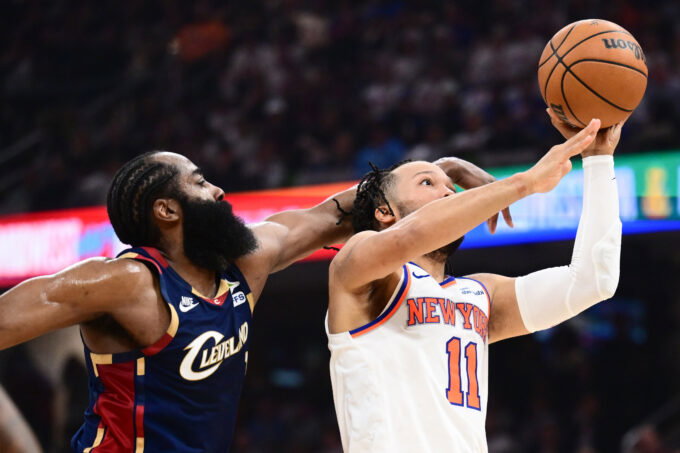
Player props and fantasy lines have made individual performance even more central to the viewing experience. A fan might care about Jalen Brunson’s points, Jokić’s assists, Tyrese Haliburton’s threes, or Wembanyama’s blocks as much as the final score.
That can make regular-season games more engaging, especially for neutral viewers. But it also changes how people watch. Every possession becomes attached to a number, a projection, or a market. As player-based betting becomes more common, the conversation around responsible gambling should stay part of the same ecosystem, not treated as an afterthought.
Final Thoughts
The NBA’s personality era is not going away. The league is too global, too online and too star-driven for that. Fans will keep following players across teams, timelines, brands and platforms.
The future belongs to franchises that understand how to build around stars without disappearing behind them. The league is no longer just Lakers vs. Celtics, Knicks vs. Heat or Warriors vs. everyone.
It is also LeBron’s timeline, Steph’s gravity, Wembanyama’s rise, Ant’s swagger, and whatever story catches fire next.











Leave a comment