

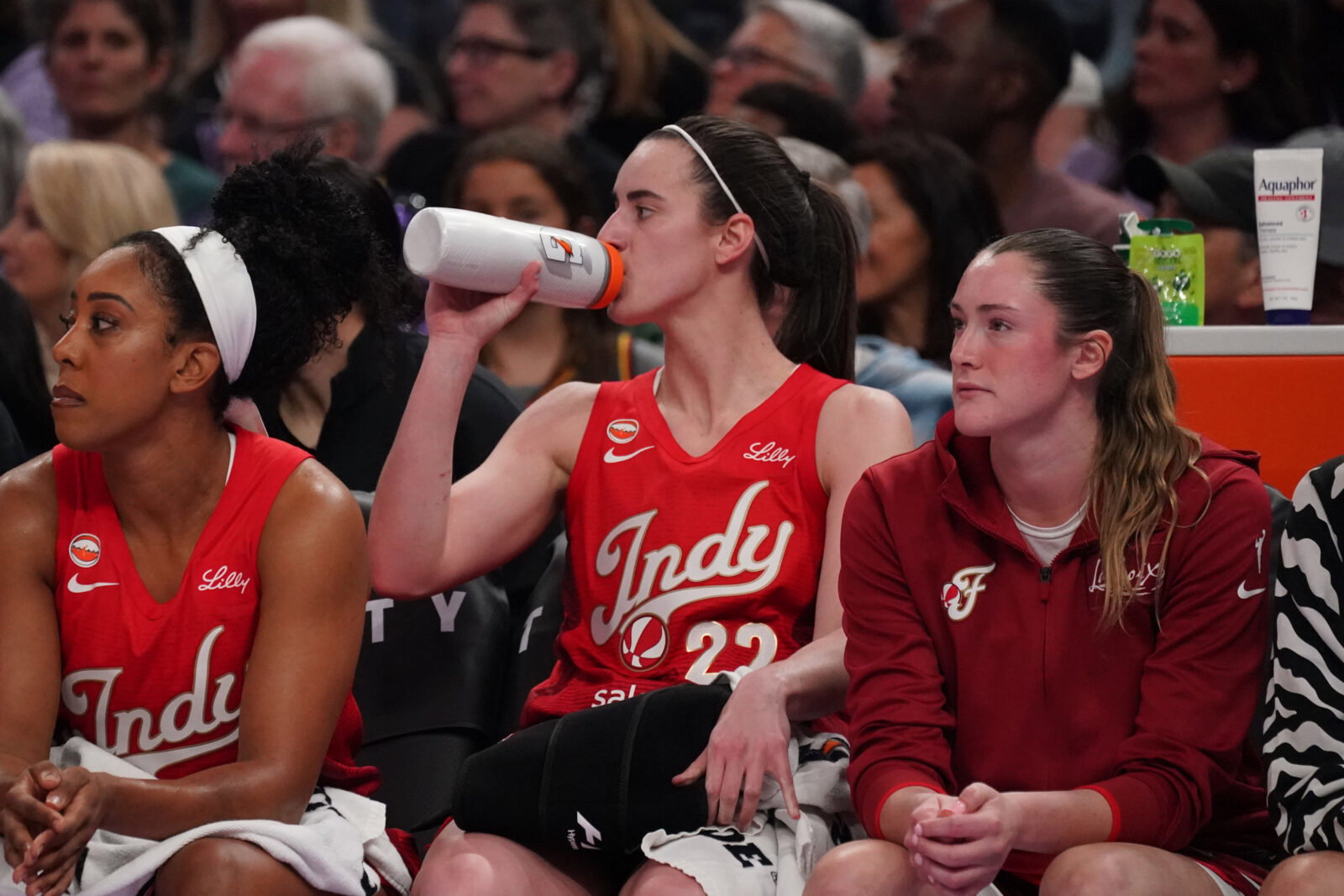
The record viewership numbers are real. The sold-out arenas are real.
The cultural moment that has been building around the WNBA over the past two seasons is real, and anyone who was skeptical about the league’s trajectory has had to reconsider their position.
What has not kept pace with the visibility is what WNBA athletes actually put their bodies through to deliver the product that is drawing those numbers, and what the infrastructure around their performance requires to sustain it.
When WNBA players talk about asking for basic respect, the conversation usually lands on salaries and travel conditions, both legitimate grievances that deserve the attention they receive. But there is a layer beneath those conversations that gets far less coverage: the physical demands these athletes endure across a schedule that asks them to perform at an elite level while operating with recovery resources that have historically lagged far behind what their male counterparts receive as standard.
Understanding what those demands actually are is the starting point for understanding why the investment in recovery infrastructure is not a luxury for WNBA athletes. It is the floor.
What Does a WNBA Season Actually Do to the Players?
The WNBA regular season has grown from 40 to 44, to soon-to-be 50 regular-season games across roughly four months, a schedule that sounds manageable until you account for what surrounds it.
A significant number of players in the league compete elsewhere during the WNBA offseason, logging additional competitive months in European leagues before returning stateside for the domestic season. The elite players at the center of the current cultural moment are not taking true offseasons. They are transitioning between competitive environments with limited genuine recovery time.
The physical profile of a WNBA game places specific demands on the female athlete’s body that differ from the male game in ways that nutritional and recovery science is increasingly able to quantify. Hormonal fluctuations across the menstrual cycle affect muscle protein synthesis rates, injury risk patterns, and recovery timelines in ways that standard male-athlete recovery protocols were not designed to address.
Knee and ACL injury rates that have historically been higher in female athletes than male athletes at comparable playing levels are not random. They reflect biomechanical and hormonal factors that deliberate preparation and recovery practices can meaningfully influence.
The schedule compression that comes with the WNBA’s four-month window means that back-to-back games and short rest periods are built into the calendar, requiring active recovery management rather than passive rest. A player who finishes a game on Friday and plays again on Sunday has roughly 44 hours to eat, sleep, travel, prepare and physically restore enough to perform at the level the sport now requires of its elite competitors. Whether that window produces genuine recovery or partial recovery is determined by what happens in those 44 hours, and the inputs that shape that outcome are specific, evidence-based and increasingly well-understood.
The Nutritional Gap Nobody Talks About
Female athletes have been systematically under-researched in sports nutrition science. The majority of foundational studies on protein intake, energy availability and recovery that inform current recommendations were conducted on male subjects. The extrapolation of those findings to female athletes is imperfect in ways that research published over the past decade has begun to address, but the practical guidance available to female athletes remains less robust than it should be given the performance demands now being placed on WNBA players.
The research consistently supports the conclusion that adequate protein intake is at least as important for female athletes as for male athletes, and in some respects more critical, given the interaction between protein availability and the hormonal environment that governs muscle protein synthesis across the menstrual cycle.
High-quality, clean whey protein consumed consistently within the post-game window provides a leucine-rich amino acid profile that supports muscle protein synthesis regardless of where an athlete is in her cycle, helping maintain the recovery process even during the luteal phase, when anabolic hormone levels are lower and recovery timelines can extend. For players managing the compressed schedule of a WNBA season, consistently missing this window across the 44-game calendar produces cumulative effects that show up in physical output and injury susceptibility before they show up in the box score.
Energy availability is the broader nutritional concern that underlies everything else. Research on female athlete health has documented the consequences of chronic low energy availability, a condition that occurs when caloric intake is insufficient to support both the energy demands of training and competition and the baseline physiological functions the body requires. The consequences include hormonal disruption, bone density reduction, impaired immune function, and compromised recovery from training and competition.
The WNBA athletes performing at the highest level at this moment of the league’s visibility are doing so while managing these risks in an environment that has not always provided the nutritional support infrastructure needed to mitigate them.
What the Research Shows About Female Athletes and Recovery
A study published in the American Journal of Clinical Nutrition examining protein intake and muscle preservation in women across different training and competition demands found that female athletes consuming protein above 1.6 grams per kilogram of body weight daily showed significantly better maintenance of lean mass and functional strength across high-demand training periods compared to those at lower intake levels.
The researchers specifically noted that the interaction between dietary protein and estrogen’s role in muscle protein metabolism meant that protein timing, particularly the presence of an adequate post-exercise dose, was an independent predictor of recovery quality beyond total daily quantity. For WNBA players managing the combination of travel, scheduling pressure, and competitive performance demands, the practical implication is that a deliberate post-game protein protocol is one of the most accessible and high-return interventions available.
Separate research on female athlete injury risk has found that hamstring and ACL injury rates are influenced by both biomechanical factors and by fatigue accumulation across competition periods. Athletes in the second half of congested schedules show elevated injury risk compared to early-season baselines, with the increase most pronounced in those who have been accumulating sleep deficits and recovery deficits across the preceding weeks. This is not a fixed biological reality for female athletes. It is a consequence of insufficient recovery support that adequate infrastructure can meaningfully reduce.
What Investment in Recovery Actually Looks Like
The gap between what WNBA athletes need for genuine recovery and what has historically been available to them is closing, partly through organizational investment and partly through what individual athletes are building into their personal recovery infrastructure outside of team provision.
The players who have built personal recovery systems that they maintain across the season, whether at home during the WNBA calendar or overseas during the international months, are the ones whose physical output holds up deepest into competition periods.
Heat therapy has a well-documented place in the recovery practices of elite female athletes specifically. The combination of increased circulation to worked muscle tissue, heat shock protein activation, and the parasympathetic nervous system response that deliberate sauna use produces addresses multiple recovery mechanisms simultaneously in a time-efficient manner relative to the benefits it provides.
For players managing the schedule demands of the WNBA calendar, two to three sessions per week on lower-intensity days provide meaningful between-game recovery support. The best barrel saunas for the backyard bring this capability into the personal environment in a format that does not depend on facility access, which matters for athletes whose team recovery infrastructure has not always been reliable.
The WNBA’s current visibility is an opportunity to reset the standard for how investment in these athletes should look. The salary conversation is the most visible part of that reset. The recovery infrastructure conversation is the most practically consequential one because it determines which players are physically capable of delivering over a season and a career. The evidence on the effects of adequate recovery support is unambiguous. What has been ambiguous, for too long, is the commitment to providing it.
The Bigger Picture
What the WNBA’s moment demands is not just recognition of how good the basketball has become.
It is recognition of what it costs the athletes to produce it, and a serious institutional commitment to supporting those athletes with recovery resources that match the performance expectations now being placed on them. The record viewership numbers create leverage for exactly this conversation, and the players who have been asking for basic respect deserve to have that leverage used.
The science of what female athletes need to perform and recover at the highest level is increasingly available. The tools that support those needs are increasingly accessible. The gap that remains is between what the research supports and what the infrastructure around these athletes actually provides. Closing that gap is not a question of resources, at the level the WNBA now occupies in American sports culture.
It is a question of priority. And the athletes who are delivering the product driving the league’s current moment have earned the right to be treated as such.










Leave a comment