

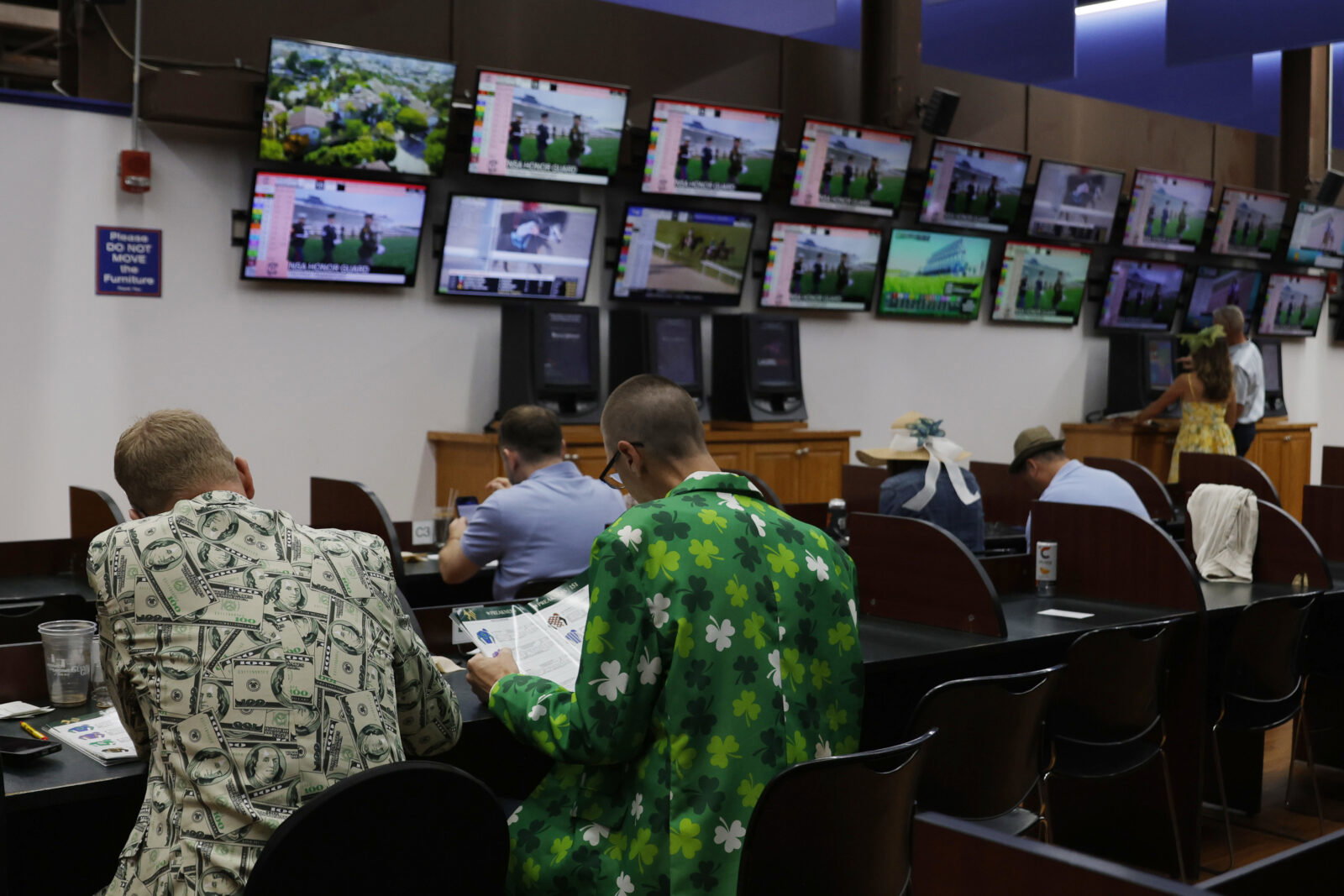
When you look at a race card and see a horse listed at 5/1 or 11/4, it’s easy to treat those numbers as a rough guide to who might win. Checking the support for runners at today’s meetings can sharpen that picture further, but understanding what the odds actually mean gives you the clearest starting point. Odds tell you far more than likely winners, and knowing how they work changes the way you read a race before the gates open.
What Do The Odds Actually Represent?
Odds in horse racing are a reflection of probability, filtered through the bookmaker’s need to make a profit. A horse priced at 4/1 is not simply “likely to win.” It means the bookmaker has assessed that horse’s chance of winning at roughly 20%, then built a margin into the price.
That margin is called the overround. In a perfectly fair market, all the implied probabilities in a race would add up to 100%. In practice, they add up to more, often 110% to 120% on a busy race. That gap is where bookmakers make their money.
How Are Odds Set?
The process starts long before race day. Bookmakers and trading teams assess every runner using a combination of form, fitness, course record, going preference, draw position, jockey bookings and stable confidence. Each horse is assigned an opening price.
Once those prices go live, the market does a lot of the heavy lifting. When punters back a horse heavily, bookmakers shorten its price to manage their liability. When a horse is ignored, its price drifts out. The odds you see in the minutes before a race are shaped by thousands of individual betting decisions, not just one person’s opinion.
Major players also influence the market. Professional gamblers, syndicates and betting exchanges all move prices. A significant bet placed through a betting exchange can push the starting price on course before bookmakers have adjusted their boards.
Fractional vs. Decimal Odds
You’ll see both formats in British racing. Fractional odds (5/1, 9/4, 7/2) show profit relative to stake. A winning £10 bet at 5/1 returns £60: your £50 profit plus your £10 stake back.
Decimal odds (6.0, 3.25, 4.5) show your total return per pound staked, including the stake itself. A £10 bet at 6.0 returns £60 total. The math is identical. Decimal odds are often easier to compare at a glance, which is why they’ve become standard on most online platforms.
Odds-On Favorites
When a horse is odds-on, the fraction flips.
A price of 1/2 means you stake £2 to win £1 profit. Bookmakers express this as 1.5 in decimal format. Odds-on horses are not a guaranteed outcome. They are simply horses the market believes have a better than 50% chance of winning, which in a sport as unpredictable as racing still leaves plenty of room for surprises.
Starting Price vs. Early Prices
The starting price (SP) is the official odds returned for a horse at the moment the race begins.
It’s calculated from returns across on-course bookmakers. If you take an early price before the race and your horse shortens significantly, you’ve done well. If it drifts, you may wish you’d waited. Both strategies carry their own logic depending on how confident you are in the market information you have.
Reading the Market
A horse that shortens steadily in the days before a race suggests money is coming in from informed sources. A horse that drifts may have question marks behind the scenes, whether that’s a minor setback, a change in going, or simply a lack of confidence from connections.
The odds don’t tell you who will win. They tell you what the collective weight of opinion and money thinks right now. In a sport where margins are tiny, and upsets are constant, that context is genuinely useful.











Leave a comment