

On a summer night, you can flip through channels and travel the planet without moving: a Champions League tie in Madrid, a T20 match in Bengaluru, a judo final in Paris, an eSports arena in Seoul. The question that hides behind these images is simple but loaded: who really dominates world sport today, Europe or Asia?
The answer depends on which scoreboard you choose and how far into the future you are willing to look.
Old Powers and Familiar Tables
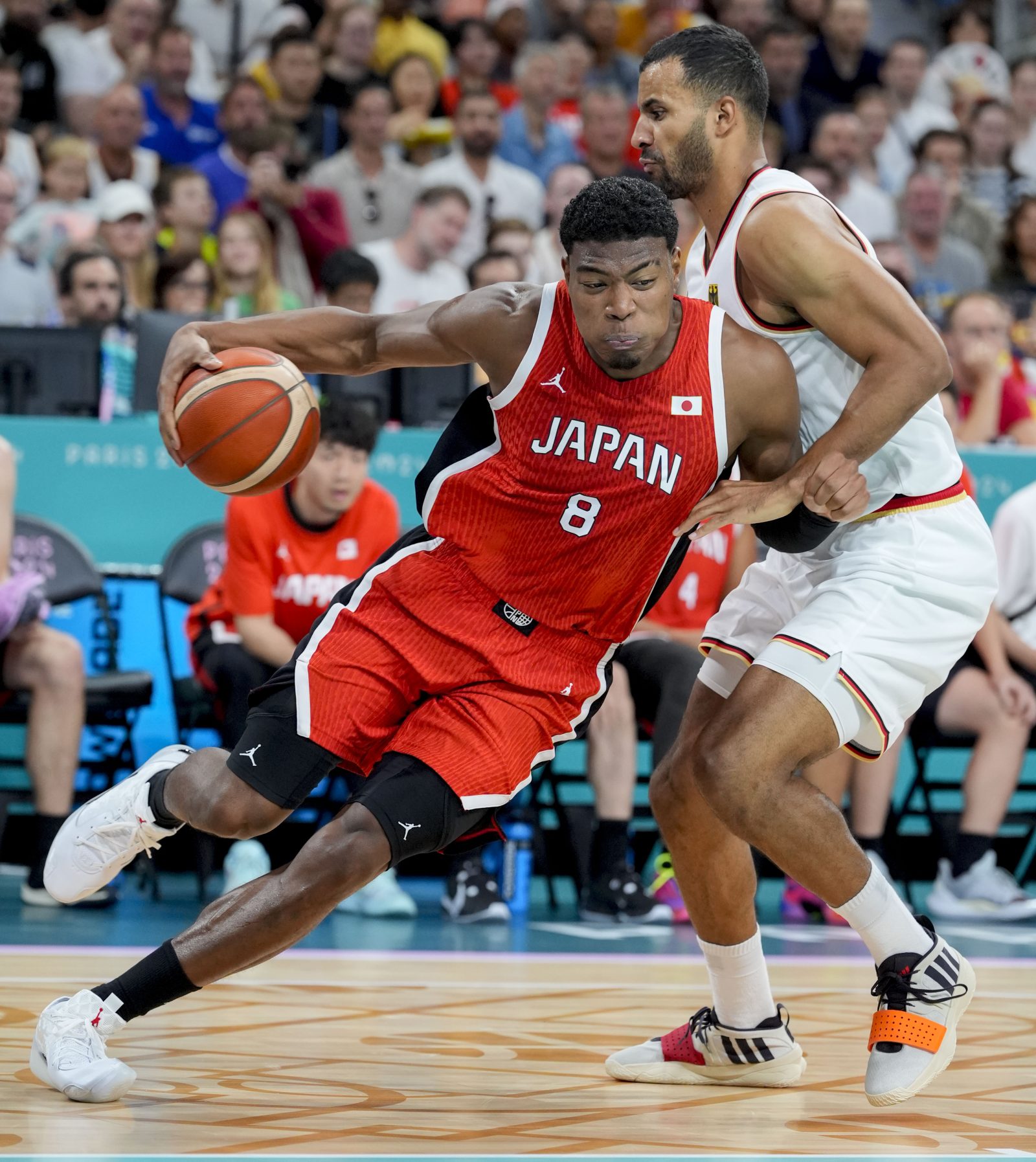
By the classic symbols of global dominance, Europe still holds the higher ground. At the Paris 2024 Olympics, European nations together collected the largest haul of medals, with countries such as France, Great Britain, Italy, the Netherlands, and Germany piling up podiums across swimming, cycling, rowing, and athletics. Asia answered through giants like China, Japan, and the Republic of Korea, yet the overall balance of Olympic hardware still tilts toward Europe.
Football tells a similar story of long-established control. Every single men’s FIFA World Cup final has featured only European or South American teams, and all 22 titles so far belong to those two continents. Europe’s major leagues in England, Spain, Germany, and Italy remain the most-watched domestic competitions on earth, feeding talent and money into clubs that have become global brands. For now, this is where the traditional heart of professional sport beats loudest.
Asia’s New Muscle
Change, however, rarely announces itself politely. In cricket, Asia has already moved from challenger to central power. India’s triumphs at the 2024 ICC Men’s T20 World Cup and the 2025 ICC Women’s World Cup confirmed that the game’s largest market also has the trophies to match its audience. Crowds in Ahmedabad, Karachi, Dhaka, and Colombo turn bilateral series into festivals, and Asian boards now negotiate media deals that rival anything in Europe’s football economy.
https://twitter.com/BCCI/status/1887485100709060731
Beyond cricket, Asia’s athletes are rising in sports once dominated by others. Japanese and Chinese swimmers take medals from American and European favorites. Korean archers and shooters treat Olympic finals as familiar territory. Mixed martial arts promotions in Singapore and Abu Dhabi, as well as boxing nights in Riyadh, pull in viewers from every continent. The centre of gravity is not shifting overnight, but you can already feel it move.
Fans, Phones, and the Betting Boom in Asia
For millions of young fans across South and Southeast Asia, sport now lives inside the phone almost as much as in the stadium.
They stream matches, scroll advanced stats, and study line-ups before arguing about tactics in group chats. Many Bangladeshi supporters, for instance, explore guides built around bd bet app download to understand how to join licensed sportsbooks, manage deposits, and keep wagers small enough to stay in the fun zone. Inside those apps, they study odds across cricket, football, and kabaddi, test their intuition with live bets, and, in the quieter moments between games, wander into casino lobbies filled with slots and live tables that extend the feeling of match night without replacing it.
Europe’s Club Temples and Steady Advantage
Europe, of course, is not giving up its crown.
The continent’s network of professional clubs, academies, and cross-border competitions still sets the structural standard for the rest of the world. Youth systems at clubs like Barcelona, Bayern Munich, or Ajax keep producing players who later dominate with their national teams. The UEFA Champions League remains the most prestigious annual team tournament in any sport, drawing global audiences that few events can match. In basketball, the EuroLeague and domestic leagues in Spain and Turkey bridge the gap between the NBA and local competitions, while handball, rugby, and cycling all revolve around European calendars.
https://twitter.com/EuroLeague/status/1999106951259546047
Where Betting and Entertainment Meet
The more global sport becomes, the more its business models start to look similar between continents.
Broadcasters sell multi-sport packages, streaming platforms chase rights from both hemispheres, and betting companies tie everything together. Fans can check pre-match lines and in-play odds that update with every attack on Melbet, where football, cricket, and tennis markets sit next to online casino games, live dealers, and quick arcade titles, so that a user can move from serious analysis of a derby to a few relaxed spins in the same account. When combined with clear licensing, spending limits, and responsible-gaming tools, that blend of prediction and play strengthens rather than threatens the bond between fans and their favourite sports.
Who Really Leads: The Scoreboards or the Trends?
So, who dominates world sport: Asia or Europe?
On the traditional scoreboards, Europe still holds the lead, commanding football history, Olympic depth, and a dense map of professional clubs that few regions can copy. Yet Asia is catching up fast in the places that define the future: audience size, digital engagement, women’s sport, combat leagues, and fast-growing spectator markets. One continent owns more of yesterday’s trophies, the other is building more of tomorrow’s arenas. In the end, domination may not belong permanently to either side, but to whoever manages to connect stadium, screen, and imagination in a way that keeps the whole planet watching.












Leave a comment