

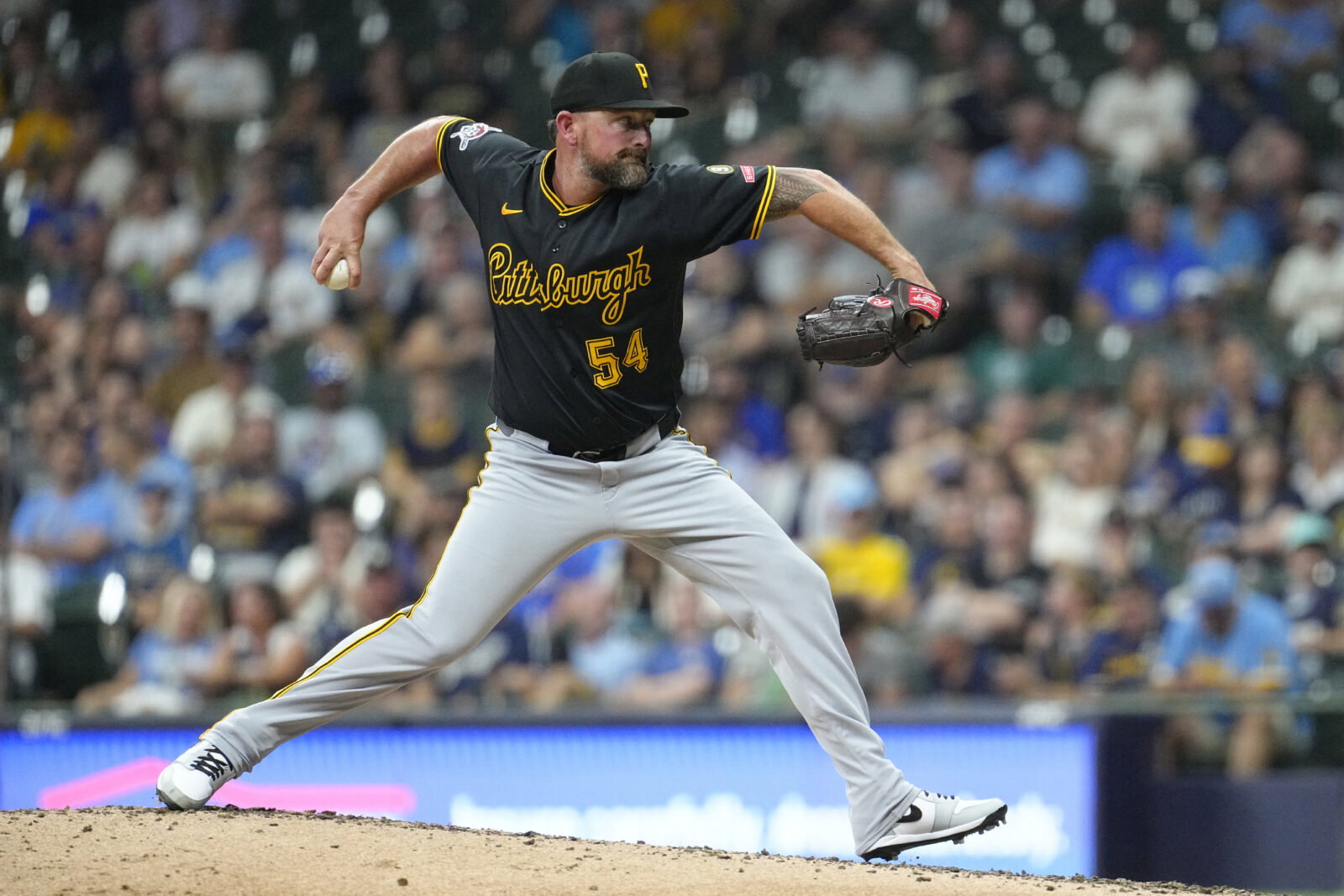
Despite losing five of their last six and nine of their last 13 ahead of August 3, the Pittsburgh Pirates bought big at the deadline. The Bucs’ buying may be bizarre to some, given that they were 56-57 and sixth in the wildcard race.
Yet, with all considered, it was the most logical move. Even more, the economic concept of Game Theory can demonstrate why deadline action played out favorably for the Bucs.
The Pirates Revamped Their Bullpen
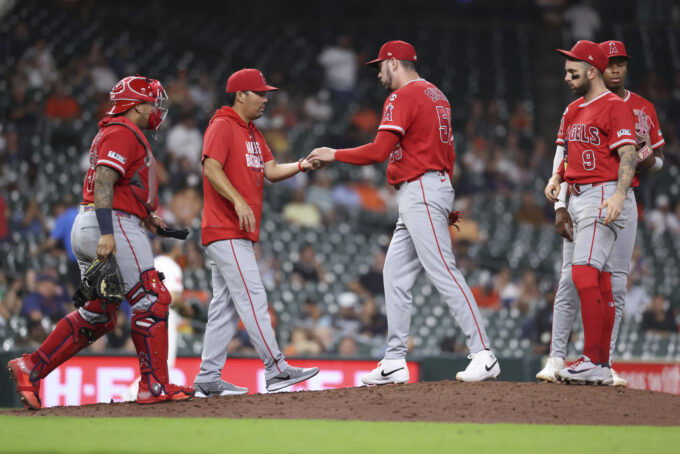
The Pirates traded for right-handed reliever Camilo Doval of the Yankees on August 1. On August 3, the MLB trade deadline, Pittsburgh added four more right-handed relievers. The first of the day was the most significant as the Pirates obtained Luke Weaver from the New York Mets, a top reliever in the league. Pittsburgh then added Lake Bachar (Marlins), Kirby Yates (Angels), and Andrew Moore (Padres).
The Bucs’ deadline moves resulted in a complete overhaul of their bullpen, especially on the right side. The move was much needed, as the bullpen’s woes had plagued the Pirates all year — to the tune of 20 blown saves. The new additions should greatly help bolster the pen.
Weaver boasts a 1.84 ERA on the year. Doval has recorded a 2.11 ERA when not pitching inside Yankee Stadium. Bachar and Yates are nothing to write home about, but both have posted sub-4.00 ERAs this year, a big improvement over the bottom of the Bucs’ bullpen. Moore is a prospect whom the Pirates hope to develop in AAA.
But Why Buy at All?
Still, one may ask, why did the Pirates not sell if they are out of the wildcard with two other out-teams ahead of them? For a few reasons:
For one, while the Pirates were 56-57 and sixth in the wildcard race, it is a tight race. Pittsburgh is only three and a half games out of a wildcard spot. Making up that ground with 47 games remaining is very doable.
Secondly, the Pirates have been down some key players recently and for much of the year. However, some of them have recently returned while others’ return is imminent. First baseman Spencer Horwitz and catcher Endy Rodriguez recently returned to the lineup. Center fielder Oneil Cruz and left-handed reliever Evan Sisk are set to return soon. Rookie shortstop Konnor Griffin should return around the beginning of September as well.
With all these guys healthy, the understanding is that the Pirates are much better than a .500 team. Thus, the front office figured this season was worth investing in rather than quitting on, and they acquired key pieces to back that faith up.
There is also likely some air of desperation. The Pirates have not made the playoffs since 2015. This is general manager Ben Cherington’s seventh season in Pittsburgh, and the club has not posted a winning record in his time there. Failure to produce eventually results in getting fired, and Cherington likely does not care to stockpile prospects for the next guy. This year is the Pirates’ best opportunity to produce a winning season and make the playoffs so far in his tenure, and Cherington intends to capitalize on it.
To be clear, Cherington’s desperation is not a knock on the move. Pirates fans, including myself, are also desperate to see a winning season and to see Buctober. It’s good there is a sense of urgency from the front office that matches that of the fans.
The Game Theory of the MLB Deadline
Anyone who has taken Economics in university is likely familiar with Game Theory. The optimal decision of the involved parties is contingent on what the other parties do.
Yet, not every outcome is equal. One party may make decision A, which makes your best-move decision B. However, it may have been more advantageous for you to make decision A yourself and make the other party make decision B.
Let’s make the safe assumption that making the playoffs is better than not making the playoffs. Let’s make the additional safe assumption that having promising prospects is better than not having promising prospects. Which one carries more weight is particular to each team, contingent on how urgent success is. For the Pirates, for the reason discussed above, making the playoffs carries more weight.
Every team has three decisions — buy, sell, or do nothing. Each team wants to operate at a Nash equilibrium, which is the best action, contingent on what the other teams do. Doing nothing is very likely never a Nash equilibrium, as you could improve your standing one way or the other by buying or selling. It is a ‘dominated strategy‘ and thus would never be rationally chosen by teams.
So, there are two true decisions — buy or sell. Buying obviously leans more toward making the playoffs and less toward having promising prospects, while selling leans more toward having promising prospects and less toward making the playoffs. Given the Pirates are desperate for current success, they want to buy.
However, what the Pirates don’t want is to buy and for the majority of the other wild card contending teams to also buy, especially given that they are a few games behind the last wildcard spot. That would likely lead to losing promising prospects and missing the playoffs.
Rather, the ideal (realistic) outcome for the Pirates is for them to buy and for (most) other contenders to sell. The best course of action to influence this outcome is for them to buy early and subsequently make selling the best action for other contenders.
Most of the Other Contenders Sold
Fortunately for the Pirates, this outcome is exactly what happened. The Pirates bought early by trading for Camilo Doval on August 1. More importantly, they signaled to other teams that they intended to be buyers in general with this move. The Nationals then sold Luis Garcia. The Marlins then sold Liam Hicks.
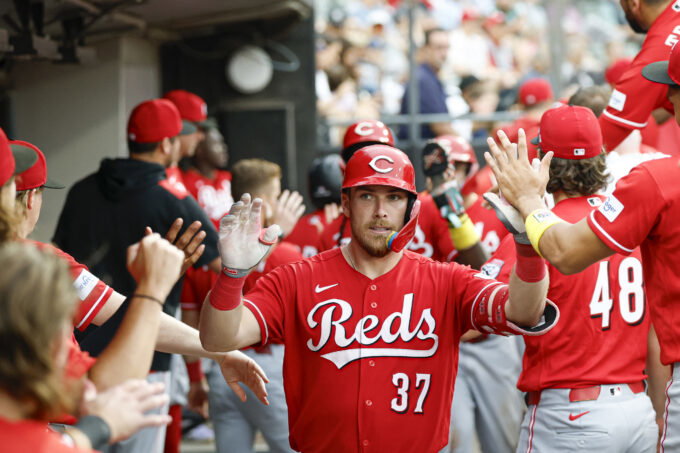
Then, the Pirates traded for Luke Weaver — their biggest trade. The Marlins then traded away Braxton Garrett and Lake Bachar, and the Cardinals traded away Dustin May, JoJo Romero, and Lars Nootbar. The Reds sold Caleb Ferguson and Nathaniel Lowe. The Nationals sold Foster Griffin. Meanwhile, the Pirates only bought more.
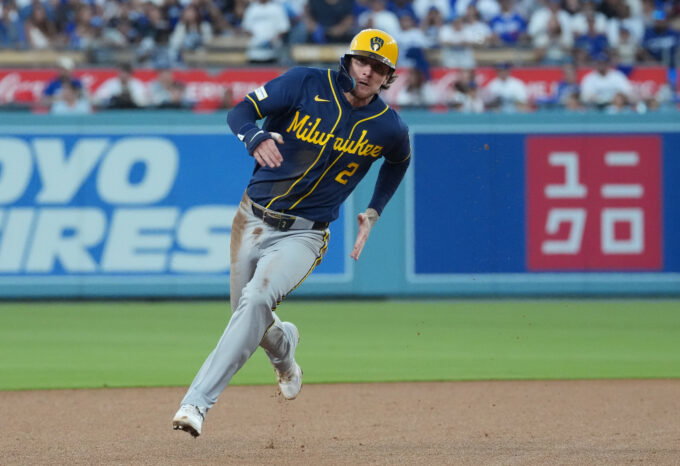
It proved to be an ideal outcome for the Bucs as they bought more than or just as heavily as any of the other teams competing for the last two wildcard spots. Most of them sold. Only the Phillies and Padres truly bought, while the Diamondbacks bought very lightly. The Pirates got their preferred Nash Equilibrium.
What seemed to be an eight-team race for the last two wildcard spots is now down to four — the Phillies, the Diamondbacks, the Padres, and the Pirates. With key guys returning from injury and their biggest weakness addressed, the Pirates have good chances.
https://twitter.com/NorthShoreNine/status/2084683598532084219?s=20
There May Be Buctober
It’s been over ten years since the Pirates last made the playoffs. Every Bucs fan is desperate to see meaningful baseball in September. More than that — every Pirates fan wants to see their team play baseball in October.
Pirates fans can take solace then in that Pittsburgh added at the deadline to increase their postseason chances. They can rest a little easier when watching the bullpen come out to save the game. They can be more confident in the Pirates gaining ground in the pennant race, given that the Pirates got better while other contenders got worse.
The teams now are what they are for the rest of the season. All that’s left is to watch it play out. As the season plays out, Pirates fans should be more hopeful of Buctober than they were a couple of days ago.











Leave a comment