

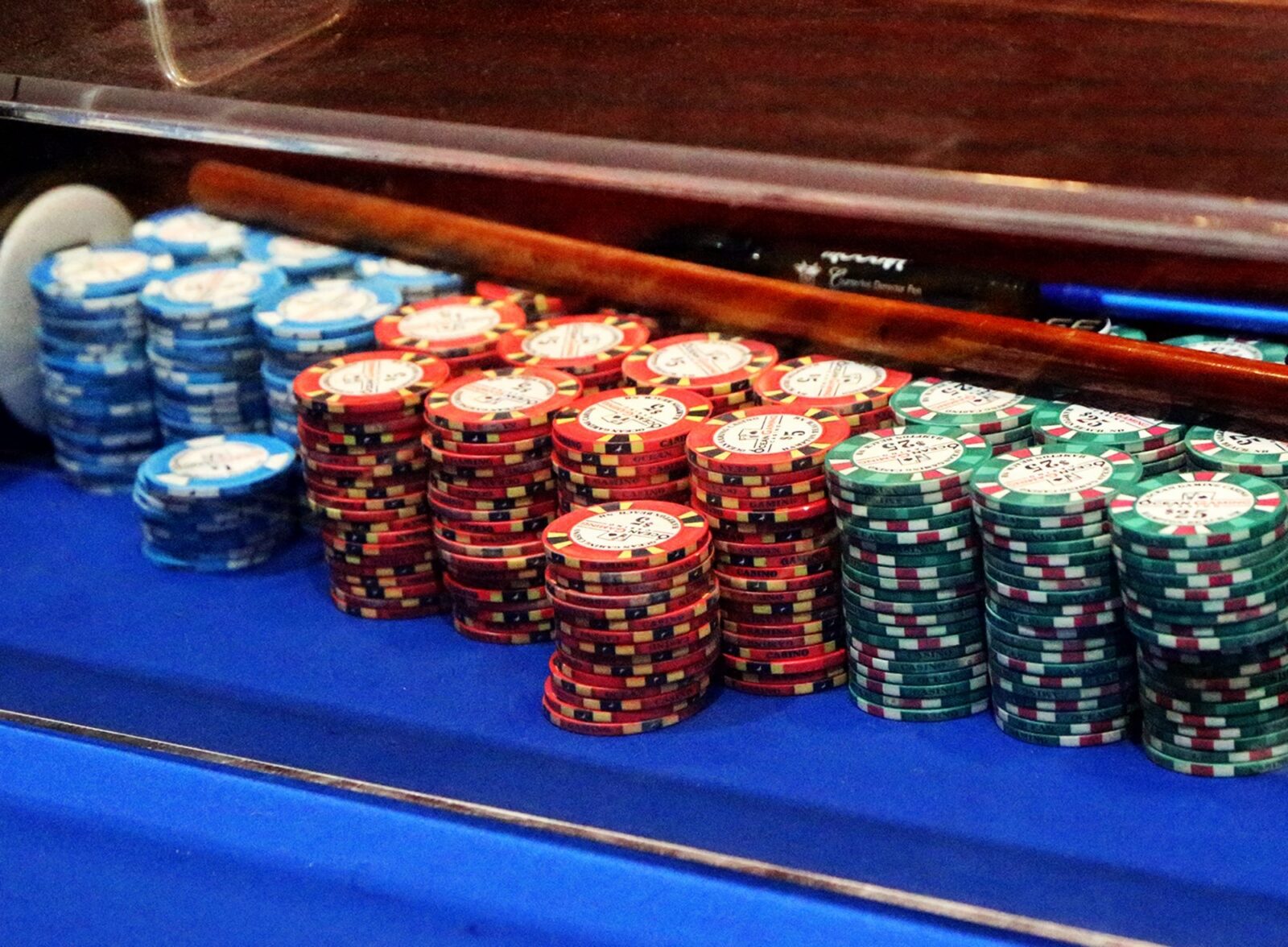
Greg Moore did some counting this summer. The chair of the British Columbia Lottery Corporation went through the 32 operator groups registered in Alberta’s new online gambling market and wrote on social media that only 16% were clearly Canadian-owned. By his tally, more than 80% were foreign-owned or foreign joint ventures, and he warned that the profits could follow them out of Canada.
Dale Nally, the Alberta minister behind the new market, called that criticism disingenuous. Strip out the heat, and a plain business question remains. British Columbia runs online gambling as an owner-operator, with BCLC’s PlayNow as the only legal site. Alberta took the franchise route on July 13, licensing private operators to compete beside the government’s PlayAlberta.
Moore picked where the money lands as his test, and it is a fair one for both provinces. Applying it means following the money to provincial treasuries, First Nations, suppliers and amateur sport clubs, then checking what the person placing the bet gets from each system.
BCLC Keeps The Margin On Half The Market
BCLC added casino games to PlayNow.com in 2010, and the Crown corporation still owns the whole operation. Its 2025-26 annual service plan report shows what that position earns. Online gaming brought in $494 million, up 9% on the previous year, and $293 million of that revenue stayed as net income.
Online is the growth line, not yet the core. BCLC’s total net income slipped 2.5% to $1.373 billion, and casinos and community gaming still produced $1.818 billion of its $2.837 billion in revenue. Lottery revenue barely moved, so the online arm carried what growth the corporation found.
Market share is the problem. Finance Minister Brenda Bailey told the legislature in late May that BCLC held an estimated 51% of online gambling in British Columbia. Rob Shaw’s column on those figures put illegal online play at about $441 million a year against roughly $454 million through PlayNow.
Offshore sites take in nearly as much as the Crown site, and none of that money reaches the province. Opposition finance critic Peter Milobar laid out the two ways out during that exchange: license private sites or build a better PlayNow. Bailey said a replacement platform with a new sports betting product would arrive this fall. British Columbia has taken the second route and kept all of the execution risk.
Alberta Accepted A Thinner Cut To Bring Play Onshore
Alberta began from a similar spot. AGLC had run PlayAlberta as the only legal site since 2020, and Nally told CBC News that the black market handled an estimated 65% of online gaming in the province. Rebuilding PlayAlberta to fight for that share was one option. Alberta licensed the competition instead.
Licensing moved the cost of competing onto private companies. Operators pay for their own technology, marketing and staff, and AGLC’s Standards and Requirements for Internet Gaming, issued on Jan. 14, spell out the responsible gambling policies each one must run. The province collects a share of what they win under a published formula instead of keeping the whole margin.
That is a thinner slice of each dollar than BCLC keeps, traded for the chance at more dollars in a regulated channel. Alberta’s older gaming business, from casinos and lottery to video lottery terminals, still earns most of the province’s gaming income, and the licensed online market sits on top of that base rather than replacing it.
First Nations Revenue Runs On Separate Formulas
First Nations appear in both provinces’ revenue plans, on very different terms. In British Columbia, the BC First Nations Gaming Revenue Sharing Limited Partnership receives 7% of BCLC’s net income. The provincial government described the 25-year agreement in 2020 as worth close to $100 million a year and about $3 billion over its life.
That share comes off the whole Crown business, so PlayNow’s growth feeds it along with the casinos. Nations that host a casino or smaller gaming hall also typically receive 10% of the net gaming income those sites generate, according to BCLC.
Some Nations are now buying the casinos outright. G3 Newswire reported in March that Great Canadian Entertainment agreed to sell Elements Casino Surrey to the Semiahmoo First Nation’s development corporation, which the company described as its eighth deal to sell B.C. operations to First Nations.
Alberta’s arrangement starts on the reserve casino floor. The Standing Senate Committee on Indigenous Peoples tabled a report on May 27 that quoted a witness saying host First Nations in Alberta give 30% of their slot revenue to the province and 10% to Nations without casinos. Alberta’s 2026 budget set aside more than $179 million in First Nations Development Fund grants for 2026-27.
Nally described the 2% of gross online revenue set aside for First Nations as part of economic reconciliation. Treaty 8 Grand Chief Trevor Mercredi told CBC News that consultation had been limited and the share might not offset shrinking casino revenue. Nally said Alberta would not raise it even if First Nations called it too small.
University of Alberta economist Laurel Wheeler told CBC that even a small hit to a casino can spread into local jobs and community programs. Six First Nations already host casinos on reserve land in Alberta, the kind of business several B.C. Nations have started buying, and those hosts would be first in line if licensed sites pull play away from their floors.
An Alberta Account Comes With A Menu
For the person placing the bet, the models differ less than their revenue charts do. A British Columbian gets one site, and during 2025-26 BCLC added a separate PlayNow Slots App.
Protection is where the provinces overlap most. BCLC created GameSense in 2009, and GGB Magazine reported that MGM Resorts became the first commercial gambling company in North America to adopt it in 2017.
AGLC runs its own GameSense program and expects licensed operators to keep its resources in front of players. An Albertan betting on a U.S.-owned brand still meets a player health program that BCLC built.
Neither model has solved the harder problem. BCLC tracks its players’ scores on the Problem Gambling Severity Index, and CBC News reported that the corporation has seen those scores rise gradually as it updates its products to compete with illegal operators.
Choice is the real difference. An Albertan can open an account with PlayAlberta or any of the private brands licensed beside it, each with its own game library, account terms and payment options.
| What The Player Sees | British Columbia | Alberta |
| Legal Online Sites | PlayNow.com, run by BCLC | PlayAlberta plus licensed private brands |
| Minimum Age | 19 | 18 |
| Product Mix | Lottery, sports betting, slots, table games and bingo in one account | Casino games and sports betting spread across brands, with lottery on PlayAlberta |
| Support Line | BC Gambling Support Line, 1-888-795-6111 | Alberta Health Services Addiction Helpline, 1-866-332-2322 |
A menu also means homework. Before depositing anywhere, an Alberta player has to confirm that a brand is registered for the province, then weigh its games, limits and withdrawal terms against the rest.
The registered list runs to 32 operator groups, so that is a lot to work through. Bonus.com pulls the job into one place on its best online casino in alberta page, which reviews the operators licensed for the province and sets out their bonus terms and payment methods. British Columbia has no equivalent list to compile, because a player there has a single legal site to judge.
Moore’s Ownership Test Cuts Both Ways
Moore’s count assumed that a Crown monopoly keeps gambling money at home. British Columbia’s supply chain also runs through foreign owners. Great Canadian Entertainment, the company now selling casinos to First Nations, has operated gaming sites in the province under contract with BCLC, and the G3 Newswire report noted that New York-based Apollo Global Management bought it for $3.3B in 2021.
The online side also buys its technology abroad. In April, BCLC and Atlantic Lottery picked Kambi, a Swedish sportsbook supplier, to power a shared sports betting product covering British Columbia, Manitoba and Saskatchewan along with the four Atlantic provinces.
So both provinces pay foreign companies. The difference sits in the contract. A casino operator or technology supplier in British Columbia earns fees under an agreement with the Crown, which keeps the rest. A licensed operator in Alberta keeps its share of what it wins. One model hires vendors, and the other grants franchises.
Each structure sets its own incentives. A vendor model caps what outside firms can earn, but the Crown corporation pays for every upgrade, including the PlayNow rebuild now under way. A franchise model spreads that spending across competing operators, who recover it through the larger share of revenue they keep.
Alberta’s Clubs Raise Their Share At Casino Events
Amateur sport collects gaming money in both provinces, through very different doors. British Columbia hands it out as Community Gaming Grants, which the province said would provide up to $139 million in 2025-26. A June provincial release put the sport sector’s share at $30 million a year.
That pot depends on BCLC’s results. Milobar warned that illegal online play can threaten the revenue communities receive through programs such as gaming grants.
Alberta’s charities earn theirs by working licensed gaming events. AGLC says charitable licensees raised $422.8 million in 2024-25, and 67.6% of it came from casino events, a fundraising method the regulator calls uniquely Albertan. Sports clubs are among the groups that raise money this way.
The two systems put control in different hands. A B.C. sports club applies for a grant and waits for a provincial decision, while an Alberta club earns a share of casino proceeds by staffing an event. Alberta’s online revenue formula adds nothing to that charity pool, since its carve-outs go to First Nations and social responsibility programs.
The 2026-27 Books Will Test Both Arguments
Both provinces close their fiscal years on March 31, so the first real scorecard for the two models covers 2026-27. The province expects BCLC to earn about $1.4 billion that year, according to Shaw’s column, and the next round of figures should show whether a rebuilt PlayNow can win back share with a licensed market operating next door.
Alberta’s first full year should show how much play the licensed sites actually drew, and how the First Nations allocation gets distributed. Nally said the money would flow through a program under the Ministry of Indigenous Relations, with First Nations asked how they want it managed.
British Columbia changed its referee this year, not its market. The Gaming Control Act that took effect on April 13, 2026 put BCLC under the new Independent Gambling Control Office, and Shaw noted that the province had shown no interest in allowing private online sports betting.
Those results will arrive months apart and in different formats, which makes the comparison easy to lose between releases. Bonus.com posts market updates on X, one way to keep Alberta news in view while the official numbers catch up.
Until those books close, each side is arguing from forecasts and estimates. The first audited numbers from both provinces will carry more weight than any post from either side of the Rockies.









Leave a comment