

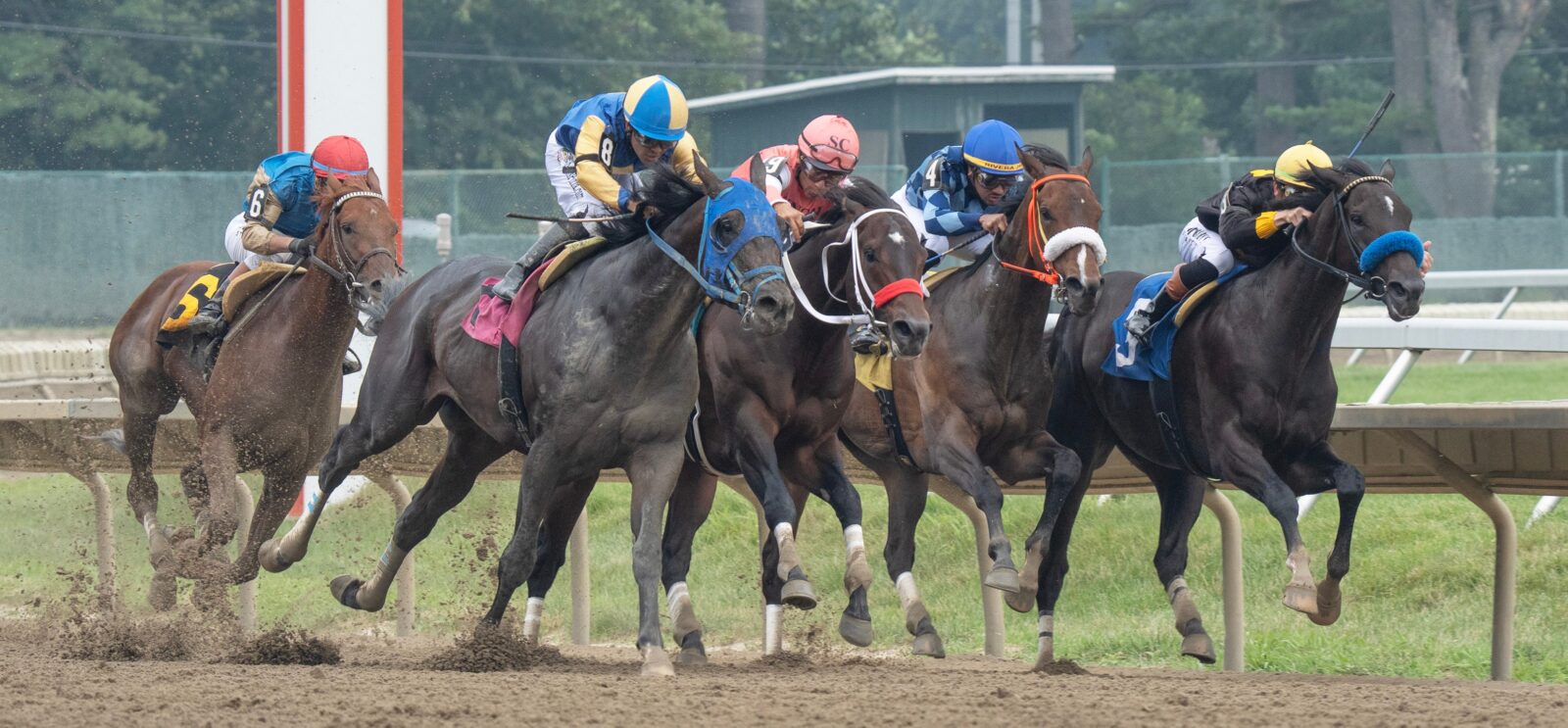
Ireland’s contribution to racing is wildly out of proportion to the size of the country. From Ballydoyle’s Flat champions to the jumpers who made Cheltenham their own, Irish-bred and Irish-trained horses have set the standard for the best part of a century.
Arguing about which of them was truly the greatest is a national pastime, one that carries on in the parade ring, the pub and the betting shop, where punters still study the form before weighing up the prices set out across the racing card. Here are the names that dominate the conversation.
Arkle: The Yardstick for Everything Else
No horse has stretched a handicapper’s imagination like Arkle. Trained by Tom Dreaper at Kilsallaghan in County Dublin and ridden almost exclusively by Pat Taaffe, he won three consecutive Cheltenham Gold Cups from 1964 to 1966, along with the Irish Grand National, the King George VI Chase and two Hennessy Gold Cups under crushing weight.
Irish handicappers eventually published two sets of weights, one for races Arkle contested and one for races he did not. Sixty years on, Timeform’s rating of 212 remains the highest ever awarded to a steeplechaser.
Dawn Run: The Double Nobody Has Repeated
Dawn Run is the only horse to complete the Champion Hurdle–Cheltenham Gold Cup double, taking the hurdling crown in 1984 and the Gold Cup two years later. Trained by Paddy Mullins for owner Charmian Hill, she was usually partnered by Tony Mullins, though Jonjo O’Neill was in the saddle for both of those Cheltenham wins.
Her 1986 Gold Cup finish, hauling herself back into a race that looked lost, produced one of the most famous roars in Cheltenham history.
Istabraq: Three Champion Hurdles in a Row
Bought by J.P. McManus and switched from the Flat to hurdles, Istabraq became Aidan O’Brien’s defining jumps horse. With Charlie Swan aboard, he won the Champion Hurdle in 1998, 1999 and 2000, and stacked up Irish Champion Hurdles at Leopardstown along the way. The foot-and-mouth outbreak cost him a likely fourth Cheltenham crown in 2001, the great what-if of Irish jump racing.
The Flat Greats: Sea The Stars, Galileo and Nijinsky
On the level, Sea The Stars set the modern benchmark. Trained by John Oxx and ridden by Michael Kinane, he won six Group 1s in six months in 2009: the 2,000 Guineas, Epsom Derby, Eclipse, Juddmonte International, Irish Champion Stakes and Prix de l’Arc de Triomphe.
Kinane also partnered Galileo, whose 2001 Derby, Irish Derby and King George treble for Aidan O’Brien was only the beginning, as he went on to become the most influential stallion of the century, crowned champion sire in Britain and Ireland a record 12 times.
Before both came Nijinsky, Canadian-bred but Vincent O’Brien-trained, the last horse to land the English Triple Crown, in 1970, with Lester Piggott up.
The Modern Era: Hurricane Fly, Honeysuckle and Tiger Roll
Hurricane Fly, trained by Willie Mullins and ridden by Ruby Walsh, retired with a record 22 Grade 1 wins, including two Champion Hurdles and five straight Irish Champion Hurdles. Honeysuckle went 16 races unbeaten under rules for Henry de Bromhead and Rachael Blackmore, winning Champion Hurdles in 2021 and 2022 before a fairytale farewell in the 2023 Mares’ Hurdle at Cheltenham.
And Tiger Roll, Gordon Elliott’s pocket-sized favorite, landed back-to-back Grand Nationals in 2018 and 2019 with Davy Russell aboard, on top of five Cheltenham Festival victories.
Honorable Mentions
Vintage Crop won the 1993 Melbourne Cup for Dermot Weld and Kinane, the first northern-hemisphere-trained horse to do it. L’Escargot took two Gold Cups for Dan Moore and Tommy Carberry before beating Red Rum in the 1975 Grand National.
Moscow Flyer won two Queen Mother Champion Chases for Jessica Harrington and Barry Geraghty. And Golden Miller, foaled in County Meath, won five Gold Cups and the 1934 Grand National.
So Who Tops the List?
Ask a jumps fan and the answer is Arkle; ask a Flat follower and it is Sea The Stars or Galileo. What links them all is that each raised the bar for everyone who came after. Some, like Arkle, were so dominant that the horse racing odds barely told a story; others, like Dawn Run, won races that looked lost. Either way, they changed what the sport believed was possible, and that, in the end, is the truest measure of greatness.







Leave a comment