

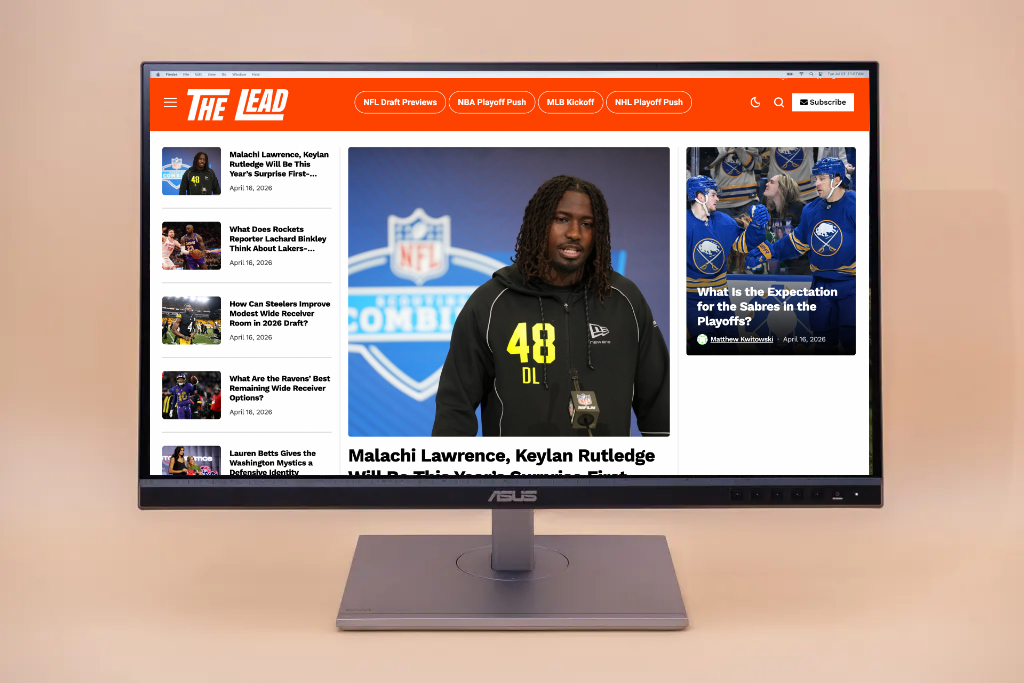
Every sports fan knows the routine. You’re checking injury updates, trade rumors, or figuring out whether last night’s loss actually matters long term. You click a link. You skim. Most of the time, you’re gone in seconds.
That’s the reality most sports websites never overcome. Traffic is easy. Loyalty is the real win.
The fan sites that succeed long-term don’t just chase pageviews. They turn visits into habits and habits into trust— often with help from experienced strategists and digital planning providers reviewed by DesignRush, who understand how to convert raw traffic into a loyal audience.
Why Do Sports Websites Play by Different Rules?
Sports websites operate in a different emotional climate than almost any other type of media. Fans don’t show up calm and curious— they show up wired, frustrated, hopeful, or fired up.
They’re also rarely browsing. They’re searching. Is the quarterback hurt? Why did that trade happen? What does this loss actually mean? That emotional urgency is what makes sports traffic so volatile— and so valuable.
When a sports site gets the experience right, it doesn’t just satisfy curiosity. It becomes a place fans trust when emotions are high. That’s what turns one-time clicks into long-term loyalty, and it’s what the following tips build toward.
Tip #1: Win the First 10 Seconds or Lose the Fan
Sports fans decide fast, especially during live games.
Many visits happen mid-game, during timeouts, or seconds after a controversial call. Pages need to load instantly, headlines need to answer the obvious question, and layouts need to prioritize what fans care about right now.
Live blogs, quick-hit updates, and fast post-play reactions keep fans refreshing instead of bouncing. If your site can’t keep up with the pace of the game, fans will find one that can.
Tip #2: Talk Like a Fan, Not a Press Release
Voice is what separates forgettable sports sites from essential ones.
Fans don’t want coach-speak or carefully neutral language. They want perspective. They want someone willing to say, “Here’s the problem,” or “Here’s why this actually matters.”
This matters even more during losing stretches. Sites that acknowledge reality during rebuilds build far more trust than those pretending progress is always around the corner.
Tip #3: Give Them a Reason to Come Back Tomorrow
Game-day traffic brings fans in. Off-day content keeps them loyal.
Strong sports sites understand that fans don’t stop caring when the final whistle blows. They want explanations, context, and direction. Draft projections, cap breakdowns, player development pieces— content that helps fans understand the bigger picture.
This is also where SEO quietly does its work. Fans aren’t searching for “great sports content.” They’re searching for specific questions. Sites that answer those clearly earn repeat visits without chasing clicks.
Tip #4: Turn Readers Into Participants
Loyalty accelerates the moment fans engage.
Comment sections, polls, and fan submissions turn a site from a destination into a meeting place. Fans come back not just to read— but to see who replied, who disagreed, and what the argument turned into overnight.
Social media plays a key role here, too. The best fan sites don’t treat social platforms as megaphones. They treat them as conversation starters that pull fans back into deeper discussions on the site.
Tip #5: Monetize Without Killing the Experience
Monetization only works when it respects the fan experience.
Sports fans understand revenue— but they hate disruption. Ads that slow pages during live games or memberships with hollow perks break trust fast. The most effective monetization aligns naturally with fandom: timely merch, meaningful memberships, and partnerships that actually fit sports culture.
When fans feel respected, they don’t just tolerate monetization— they support it.
Tip #6: Use Data, But Don’t Lose the Soul
Every successful sports site uses data. The good ones don’t let it dictate their personality.
Understanding which content performs best, how fans navigate the site, and when engagement spikes helps platforms grow intelligently. Data should sharpen instincts, not replace them.
Why Loyalty Always Beats Viral Traffic
Viral traffic is loud and temporary. Loyalty is quiet and compounding.
The sports fan sites that last focus on consistency, honesty, and respect for how fans actually behave— during wins, losses, and long rebuilds. They show up every day, not just when the team is hot.
Clicks get attention. Loyalty builds legacy. And the sports sites that understand that don’t just cover the teams— they earn their place in the fandom.










Leave a comment