

The Western Conference power brokers were a familiar cast for decades.
The Lakers and Warriors built championship-level teams through appeal, location and free agency. Smaller markets had to find stars through the draft, nurture them for years and hope they would stay.
Things are different now. Scouting, development and financial planning are making a difference in the modern NBA, as disciplined organizations are changing the way the game is played. Shifts in the competitive balance across the NBA have increased uncertainty in games and projections, and therefore the need for data-driven NBA picks.
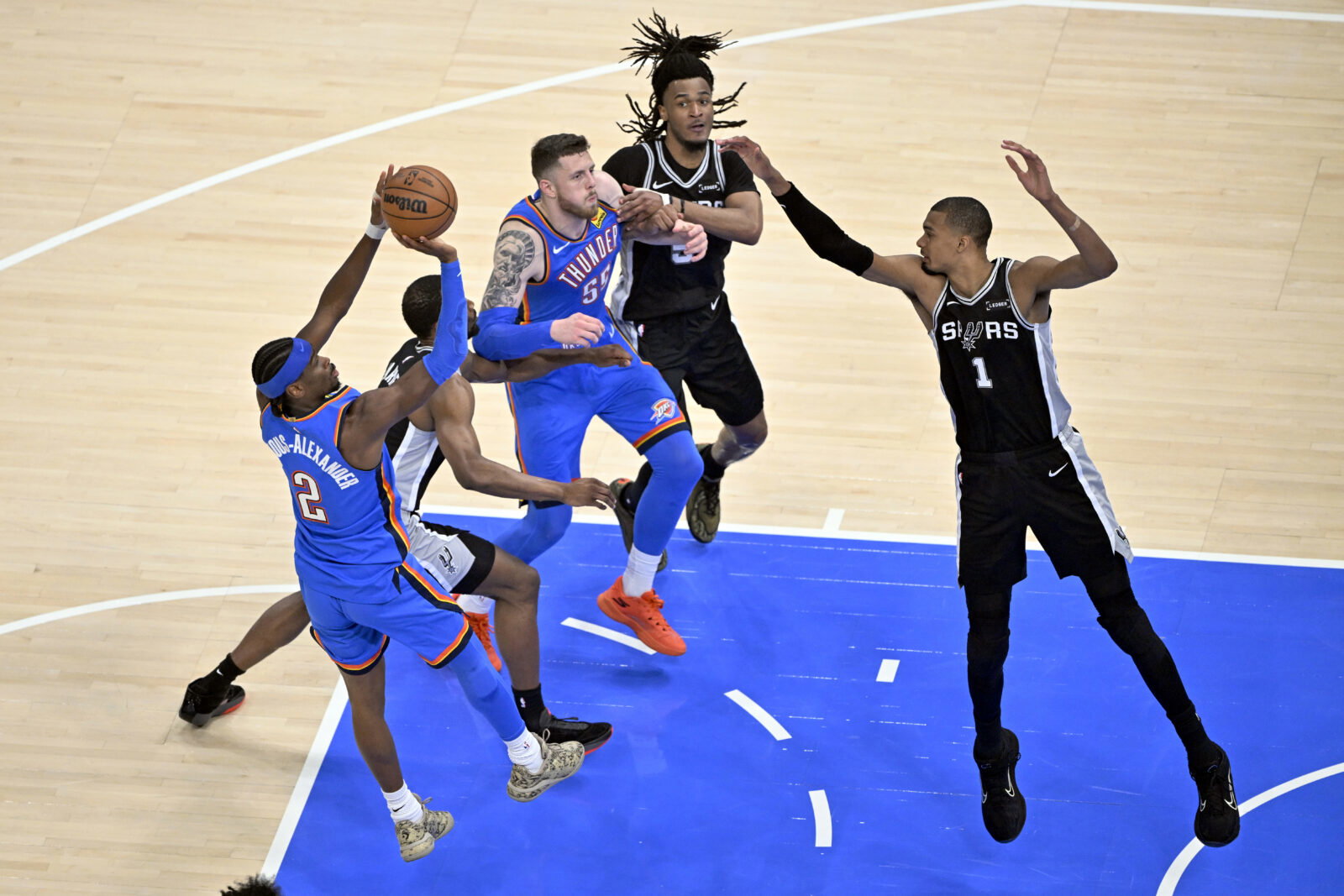
This change was evident during the 2025-26 season. The Oklahoma City Thunder posted a league-best 64 wins, while the San Antonio Spurs finished right behind at 62-20, good enough to reach the NBA Finals for the first time since 2014, though they would ultimately fall short there. Denver stayed a threat around Nikola Jokić, and Minnesota has become a strong defensive team. These teams demonstrate what a team can achieve when it’s managed at the highest level despite the disadvantages of playing in a smaller market.
The New Power Paradigm: What Makes a Small-Market Team a Contender?
Typically, a small-market NBA team plays in a media market that offers fewer commercial opportunities than cities like Los Angeles, New York or Chicago. These franchises struggle to recruit marquee players, as players may seek endorsement deals, lifestyle opportunities, and global recognition. That provided a competitive advantage in past years.
The old model was based on building salary space and luring superstars to move. Raising undervalued talents, drafting, development and retention are the key factors in the modern blueprint.
This is seen in Oklahoma City, Denver and Minnesota. They were not building their cases for big free agents, but they were building their systems. They’ve proven it on the field as well: Good evaluation and development can beat wealthier teams in the playoffs.
Blueprints for Success: Case Studies From the West
The new order of the Western Conference has been established with a different way of playing, one that’s more based on patience, scouting and stability.
The Oklahoma City Thunder: A Masterclass in Asset Management
The Oklahoma City example is the clearest example of modern team building. After rebuilding the roster, executive vice president Sam Presti snagged seemingly endless draft selections and kept his finances loose. That patience established a platform for a championship-level core.
The Thunder’s success is rooted in homegrown talent. Shai Gilgeous-Alexander matured into a two-time MVP, and Chet Holmgren and Jalen Williams were drafted into draft assets. Oklahoma City built its contender, rather than buying it.
That approach delivered a league-best 64-18 record in 2025-26, but the Thunder’s title defense ended in a seven-game classic against fellow small-market side San Antonio in the Western Conference finals. Even in defeat, the series reinforced the article’s central point: two of the league’s most methodically built organizations, not the traditional big-market powers, fought for a spot in the Finals.
The Denver Nuggets: Building an Empire Around a Generational Talent
Denver’s blueprint starts with one of the greatest scouting successes in NBA history. The Nuggets saw skills in Nikola Jokić that second-round pickers missed, and they chose him. His basketball intelligence, passing and scoring capability eventually made him a generational player.
The organization matched Jokić with some carefully selected pieces. Jamal Murray created the shots, Aaron Gordon was physically versatile, and Michael Porter Jr. scored on the outside. Team president and governor Josh Kroenke’s long-term commitment to drafting well, developing patiently and retaining a rare superstar was emphatically justified by the franchise’s first NBA championship in 2023, a title that validated years of methodical roster building around Jokić.
Culture and Development: The Minnesota and San Antonio Models
Minnesota built its identity around Anthony Edwards to create one of the league’s best defensive units. The Timberwolves’ success demonstrates that it’s possible to build a team around a young superstar and still be tactically disciplined and well-rounded.
San Antonio is another example of the same approach. After drafting and developing Victor Wembanyama, the Spurs have used a blend of coaching and team culture to make the best of his exceptional ability, and it showed: Wembanyama was named the league’s Defensive Player of the Year for 2025-26, becoming the first unanimous winner in NBA history and, at 22, the youngest ever to claim the award, beating out Chet Holmgren and Ausar Thompson for the honor.
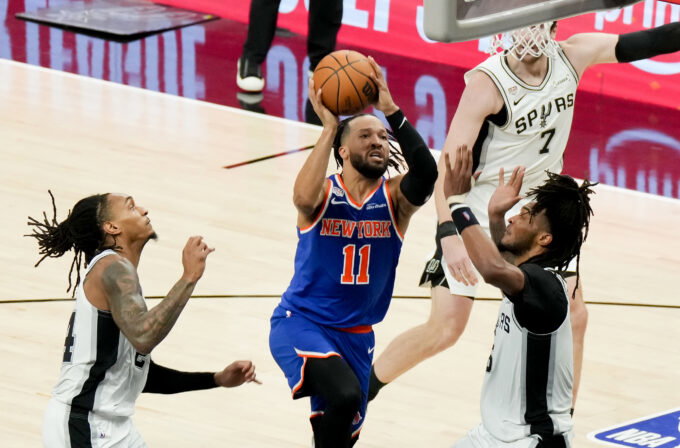
That defensive identity powered an unlikely run to the 2026 NBA Finals, where the Spurs ultimately fell to the Knicks in five games, but the run showed how quickly disciplined management can turn a rebuild into a genuine contender.
The “Why” Behind the Rise: League-wide Changes Leveling the Field
Contention’s economic footing has shifted in the NBA’s Collective Bargaining Agreement. Only the top spending teams are severely punished with the second luxury tax apron. If they are above that threshold, then franchises have restrictions on trading, rosters, and how they can add talent to their team. This limits high-profile groups’ ability to afford a way to correct their mistakes.
Meanwhile, analytics and globe-trotting have opened up new opportunities for smaller organizations. Teams without the financial edge can also find value earlier thanks to international evaluations, advanced analytics and better player development programs.
Superstars also continue to opt for level over size. Elite players like Jokić and Gilgeous-Alexander have proved that great talent doesn’t necessarily flourish in the traditional basketball mecca if the right things are done.
The Play-In Tournament is another incentive added to keep more teams playing through the season.
An Unpredictable Future: What This Means for Fans and Bettors
The Western Conference is stronger and more volatile than it has been in many years leading up to the 2026–27 season. The days when the traditional players would take care of the championship race are gone.
This is a league of fans, for whose benefit smart management becomes as important as market size. For bettors and fantasy players, it opens the door to discover teams that aren’t just hyped up but also have strong foundations.
When discussing NBA predictions or NBA power rankings, it helps to understand how rosters are built, coached, developed, and financed. The next opponent won’t necessarily be from a well-known basketball hub. It could be the product of a front office subtly building the league’s next great machine.
The old hierarchy is in disarray, but how do you find out who the next big player in the West is before everyone else?









Leave a comment