

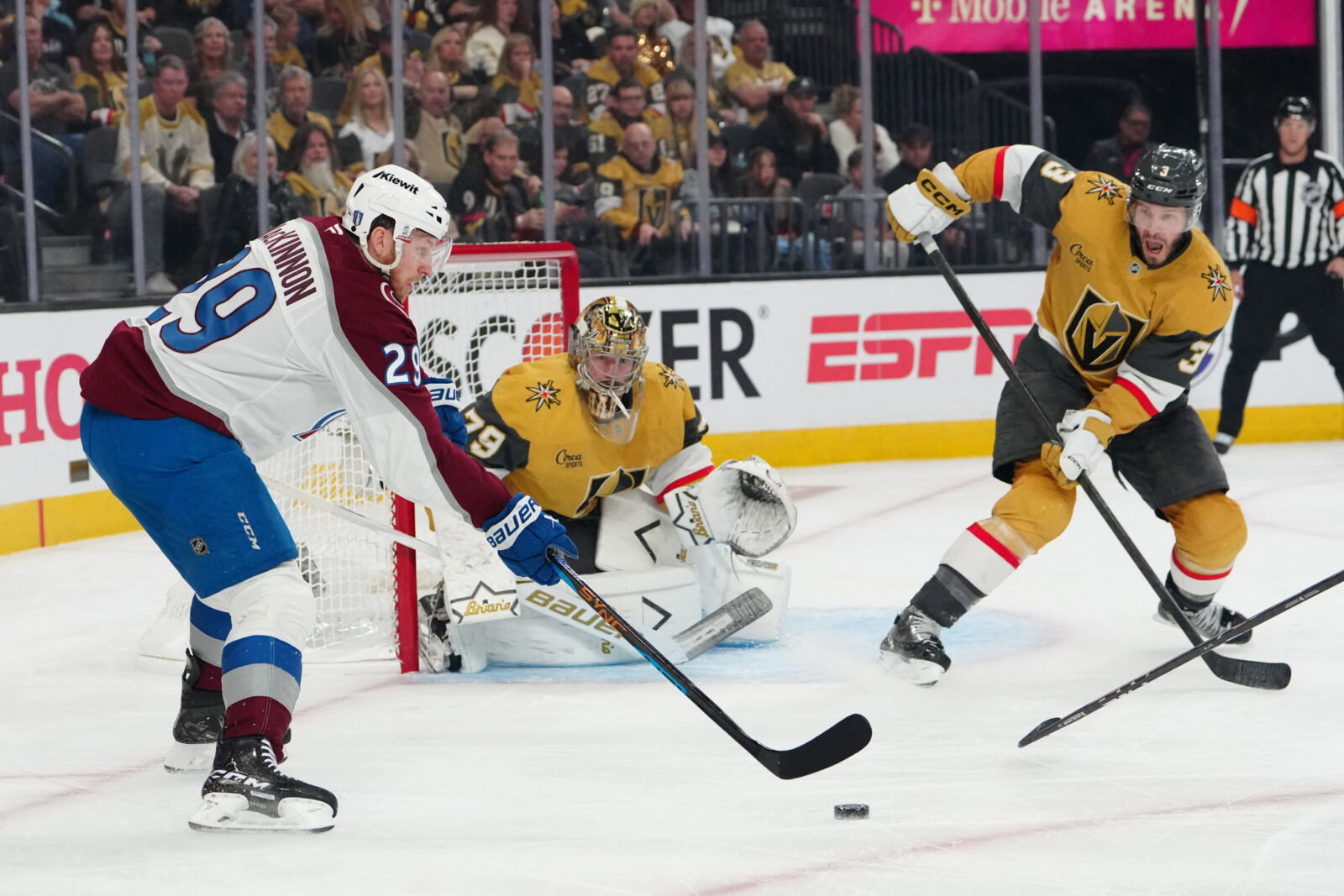
NHL player props are not just side markets attached to a game. They are small, information-heavy questions about how a player is likely to be used. In Canada, where hockey coverage is constant and team loyalties run deep, that makes them appealing but easy to misread.
A prop on shots, points, saves or power-play production can look simple on the surface. The better read usually starts with usage: minutes, line placement, special-teams role and matchup. For Canadian fans interested in learning more about 1xBet, this resource provides useful information about the platform and its offerings.
Since single-event sports betting became legal in Canada in 2021, NHL markets have become part of a wider regulated sports conversation. Access still depends on province, operator status and local rules, but the analytical challenge is the same everywhere: identify whether the number reflects a player’s real role or only the public story around his name.
Player Props Require a Different Hockey Lens
A game bet asks which team has the stronger overall path. A player prop asks a narrower question: how often will one athlete be in the right situation to produce a measurable outcome? That difference matters because a player can have a good game without clearing a prop.
A winger might forecheck well, draw penalties and help his line control play without recording four shots. A defenceman might play 24 minutes but spend much of that time killing penalties, which may not help an assist or points prop. A goalie might face fewer shots than expected because his team suppresses entries well.
This is why player props need a usage-first mindset. Talent matters, but role turns talent into opportunity.
The Core Signals Canadian NHL Fans Should Check
Not every stat deserves equal weight. A useful prop read begins with the variables that directly affect opportunity. The table below gives a practical way to separate signal from noise.
| Prop type | Main usage signal | What can mislead bettors |
| Shots on goal | Line role, shot attempts, power-play time, opponent shot suppression | Recent goals can hide low shot volume |
| Points | Even-strength linemates, power-play unit, expected matchup | A hot streak can inflate expectations |
| Assists | Puck-touch role, primary playmaker usage, finishing quality around him | Strong possession does not always mean assists |
| Saves | Opponent shot volume, team defence, expected game script | Weak teams do not always allow high shot totals |
| Blocked shots | Defensive-zone time, penalty-kill usage, opponent point-shot volume | Big minutes alone are not enough |
| Power-play point | Unit assignment, opponent penalty rate, team conversion trend | A famous name may not be on the top unit |
The main lesson is that props should be read through opportunity. A player’s reputation can explain why a market attracts attention, but his current deployment explains why the number may or may not be realistic.
Ice Time is Useful, but Only With Role Attached
Average ice time is one of the first numbers fans check, and for good reason. More minutes usually create more chances to shoot, pass, defend or block. Still, ice time alone can be too blunt.
A center playing 21 minutes with first-unit power-play time has a different profile from a shutdown center playing the same minutes against an opponent’s top line. One role creates scoring exposure. The other may create defensive value but fewer clean offensive touches.
The same applies to defencemen. A top-pair player may clear blocked-shot numbers because he is defending heavy minutes. Another defenceman may be more valuable for a points prop because he runs the first power-play unit. Both are important players, but their prop profiles are not the same.
Line Changes Can Move a Market Before the Public Notices
NHL coaches adjust lines often, especially during losing streaks, injuries or special-teams struggles. Those changes can create temporary value, but only when they alter real usage.
For example, a winger promoted beside an elite center may see better scoring chances, but that does not guarantee an immediate points prop edge. The key questions are more specific: does he stay on that line at five-on-five, does he join the power play, and does the opponent’s matchup allow that line to create entries?
This is where Canadian fans can use their day-to-day hockey knowledge well. Local coverage often catches practice combinations, goalie confirmations and injury updates before casual bettors adjust. The edge is not being a fan. The edge is knowing which local details affect role.
Matchup Context Matters More Than The Opponent’s Name
Some bettors overreact to jersey weight. A prop against a famous team can attract attention because the game feels bigger. That is not enough.
A stronger approach looks at how the opponent plays. Does the team allow perimeter volume or protect the slot? Does it take penalties at a high rate? Does it suppress rush chances? Does it force defencemen into low-percentage point shots?
These details matter because props are often tied to repeatable situations. A shots prop is not only about whether a player is aggressive. It is about whether the matchup lets him enter with control, get touches in his preferred area and avoid spending shifts trapped without possession.
Canada’s Betting Framework Adds a Second Layer
The hockey analysis is only one part of the decision. Canadian bettors also need to understand that sports betting is managed through provincial and territorial systems. Ontario has a competitive regulated iGaming market with private operators registered through provincial oversight, while many other provinces rely more heavily on lottery-led models.
That distinction affects more than branding. It can influence available markets, account rules, responsible gambling tools and complaint pathways. A player prop may look similar across screens, but the environment around that market can be different depending on where the bettor lives.
Before comparing NHL props, a Canadian reader should check:
- whether the platform is permitted in their province;
- whether responsible gambling tools are clear and easy to use;
- whether player prop rules are visible before placing a wager;
- how overtime, shootouts and voided player rules are handled;
- whether limits are set before live markets become tempting.
That final point matters in hockey. NHL games change quickly, and live player props can push fans toward rushed decisions. A pre-set limit keeps the analysis from turning into reaction.
Player Props are Strongest When Treated as Probabilities
The most reliable prop process avoids certainty. Hockey has too much variance for that. Posts, rebounds, score effects, penalties and coach decisions can all change a player’s outcome without making the original analysis wrong.
The better question is whether the price and number match the opportunity. If a player’s shot line rises because he scored twice last game, but his shot attempts and role have not changed, the market may be reacting to results more than process. If a young forward moves onto a scoring line and keeps power-play usage for multiple games, the opportunity may be more meaningful.
This is also where restraint becomes part of expertise. Passing on a prop is not wasted analysis. It is often the correct conclusion when the market has already priced in the obvious angle.
What a Disciplined NHL Prop Routine Looks Like
A useful routine does not need to be complicated. It just needs to be consistent.
Start with role, then compare it to the number. Check recent ice time, line placement, special teams and opponent style. Read the market rules, especially for player availability and overtime treatment. Then decide whether the prop still makes sense once you remove the public narrative.
For Canadian NHL fans, this creates a healthier relationship with betting content. The goal is not to chase every star name or every national broadcast game. The goal is to understand why a specific player is positioned to produce a specific outcome under specific conditions.
Player props reward detail, but they punish shortcuts. The fan who knows the roster, checks the role and respects the market rules is better equipped than the fan who only follows the highlight reel.











Leave a comment