

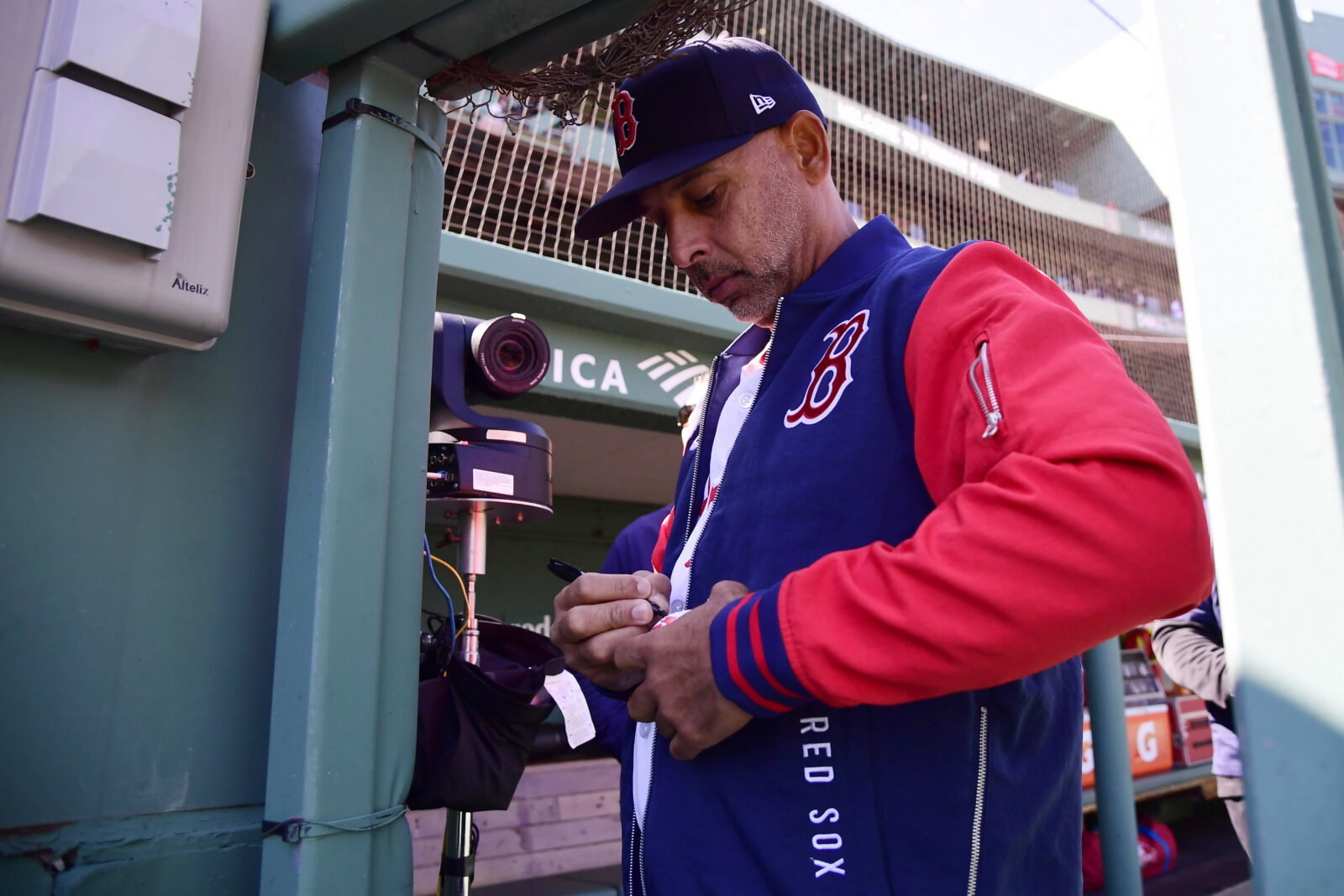
When the Red Sox fired Alex Cora, it wasn’t the record that sealed his fate. Boston had reshaped its financial identity over the past three years, losing its big-market tactics despite having the payroll to support them. The firing was “a culmination of misalignment that predates the current front office,” as CBS Sports reported. Cora never changed with it, and eventually, that gap became too wide to ignore.
The shift in the organization became much clearer when Craig Breslow was hired as Chief Baseball Officer in 2023. Breslow brings an approach that prioritizes their farm system and long-term sustainability over long-term contracts. “We feel strongly that Craig is the right person at the right time to lead our baseball department,” said owner John Henry in an MLB press release after Breslow was hired.
Cora’s managerial strengths were forged in an era defined by postseason urgency. Winning a World Series title in his first managerial season with big names like Mookie Betts and Dustin Pedroia. He excelled with established hitters, veteran cores, and rosters built to win immediately.
The modern Red Sox, however, are constructed around young prospects like Roman Anthony, Marcelo Mayer, and Kristian Campbell, and a payroll that ranked 12th‑highest in MLB, according to Sporting News. The roster no longer matched the manager.
The Missed Stars That Revealed the Problems
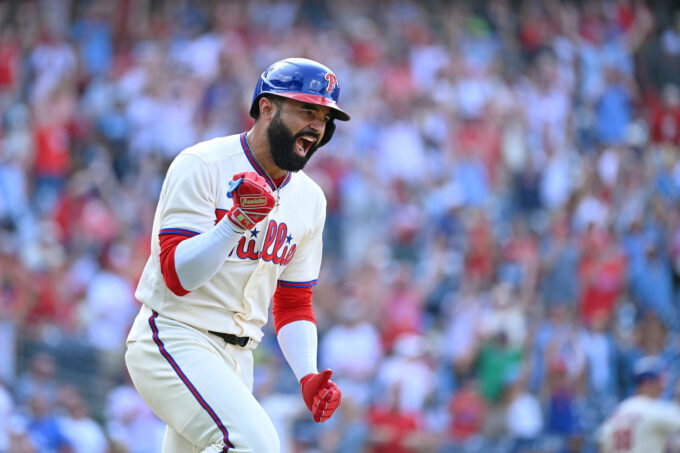
Nowhere was Boston’s evolving identity clearer than in the front office’s lack of urgency regarding players it chose not to pursue. The Red Sox passed on Kyle Schwarber twice. In 2021, Schwarber wanted to return after a breakout stretch in Boston. He posted a 0.957 OPS in Boston, but the team declined to match a four‑year, $79 million deal by the Phillies. When Schwarber became available again in 2025, Boston still didn’t engage seriously, and they lost him to Philadelphia again.
The same pattern appeared with Pete Alonso. Boston expressed interest in the two-time Home Run Derby champ, but their price never approached the deal Alonso signed with the Orioles. Alonso eventually signed a five-year, $155 million contract. Boston offered him a low three-year, $85 million contract.
Boston’s stance was even clearer with Alex Bregman. The Cubs were willing to include the full no‑trade clause he wanted, while the Red Sox were not; a line the front office has consistently refused to cross, even for players who fit obvious needs. Bregman posted a 0.822 OPS with the Red Sox last season and continues to be consistent in Chicago.
Ketel Marte followed the same script: initial interest, hesitation over prospect cost and contract length, and ultimately no move. Marte has continued to be one of the league’s most valuable switch-hitters, posting a 0.893 OPS last season. He is exactly the type of versatile star and veteran presence Boston used to target, and needs in their lineup.
The Trade Deadline Panic
Breslow’s pursuit of Twins ace Joe Ryan did not go in their favor, with Ryan staying under his one-year, $6.2 million deal. Instead, Breslow panicked, traded James Tibbs for Dustin May, who posted a 5.40 ERA across six starts.
These ideas of building a team, rather than spending money with a “win now mentality,” clashed directly with Cora’s managerial identity. Cora led a roster built for patience, and the gap between his strengths and the organization’s direction eventually grew too wide to ignore.
Players were “shocked” by the firing, according to Boston.com, even after a 17–1 win over their AL East competitor. Their reaction underscored that this wasn’t a single game or slump. It was structural. Since firing Cora, the Red Sox are 12-14 under interim manager Chad Tracy.
Boston’s New Identity Crisis
Boston is now at a crossroads in its identity. They possess a high-end payroll and large-market resources. However, they continue to operate with small-market caution.
Whether their new identity can produce a contender in the AL East remains the question that will shape the franchise’s next era.










Leave a comment